
What Is Redware Pottery?
By Linda · · 9 min read
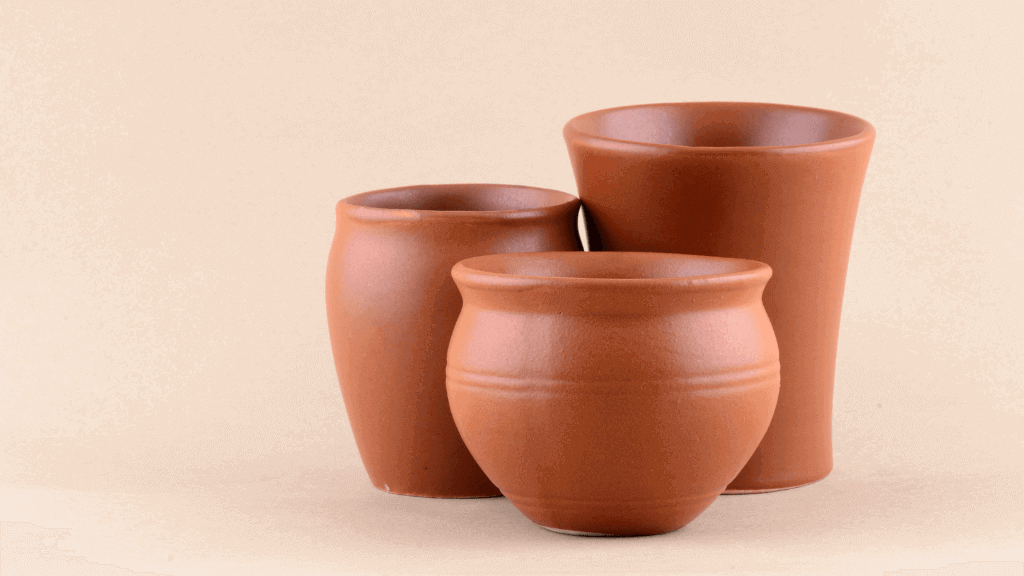
Redware pottery is a type of earthenware pottery made from iron-rich clay that fires to a reddish-brown color at low temperatures, typically 1,800-2,000°F (about 980-1,100°C). Because the clay was cheap, abundant, and easy to work, redware became the everyday pottery of early America and much of Europe: plates, jugs, crocks, and pie dishes that ordinary households used daily.
Redware can be glazed or unglazed. Glazed pieces range from a simple clear lead glaze that lets the red clay show through to slip-decorated and sgraffito wares with bold patterns in cream, green, and brown. Today the word “redware” usually refers to antique pieces from the 1600s-1800s and to modern reproductions made in those traditional styles.
What Makes Redware “Redware”
The defining ingredient is iron oxide. Redware clay bodies contain enough iron that the clay fires to a warm brick-red or reddish-brown. It’s the same chemistry that makes terracotta flower pots red.
A few traits set redware apart from other ceramics:
- Low firing temperature. Redware matures around cone 06 to cone 02, roughly 1,830-2,050°F (1,000-1,120°C). Compare that to stoneware, which fires at 2,200-2,380°F (1,200-1,300°C).
- Porosity. Fired at low temperatures, the clay never fully vitrifies, so unglazed redware absorbs water. That’s why historical redware was almost always glazed on the inside, even when the outside was left bare.
- Softness. Redware chips and scratches more easily than stoneware or porcelain. A fingernail or steel knife can often mark an unglazed surface.
- Affordability. Red-firing clay sits near the surface in many regions, so colonial potters could dig it locally. That’s why redware shops popped up in nearly every early American town.
A Short History of Redware Pottery
Red-firing earthenware is one of the oldest ceramic traditions on earth. The basic technology shows up in ancient Greece, Rome, China, and pre-Columbian America. But when collectors and historians say “redware,” they usually mean the European and American folk pottery tradition.
Europe. English, German, and Dutch potters made slip-decorated redware from the medieval period onward. English Staffordshire slipware and German sgraffito wares set the styles that immigrant potters later carried across the Atlantic.
Colonial America. Redware was the first pottery made by European settlers in North America, beginning in the early 1600s. Nearly every settlement had a potter because importing ceramics was expensive and local red clay was free for the digging. Production thrived from the 17th century through the mid-19th century.
Regional American styles. Pennsylvania German potters became famous for colorful sgraffito plates with tulips, birds, and inscriptions. These are the most valuable American redware pieces today. New England potters favored simpler, utilitarian forms with manganese-splashed glazes. The Moravian potteries of North Carolina produced finely decorated slipware that collectors prize.
Decline. By the mid-1800s, redware lost ground to sturdier salt-glazed stoneware and cheap imported English whiteware. Growing awareness of lead poisoning from redware glazes pushed the trade further into decline, and by the early 20th century traditional redware production had nearly vanished.
Revival. Contemporary folk potters, especially in Pennsylvania and the Carolinas, have revived traditional redware techniques. Modern makers reproduce historical sgraffito and slipware forms using lead-free glazes, and their work has a healthy collector market of its own.
How Redware Is Decorated
Decoration is what separates a $30 utilitarian crock from a five-figure museum piece. The classic techniques:
Slip Decoration
Slip is liquid clay, usually a cream or white clay that contrasts with the red body. Potters trail it across the surface through a quill or slip cup to create lines, squiggles, names, and dates. Think of decorating a cake with icing. Pieces decorated this way are called slipware, and I cover the technique in more depth in my post on slipware pottery.
Sgraffito
For sgraffito, the potter coats the entire piece in light-colored slip, then scratches the design through it to expose the red clay beneath. Pennsylvania German sgraffito plates (tulips, peacocks, mounted soldiers, German mottoes) are the high-water mark of American redware art.
Glazes and Colored Oxides
Traditional redware glazes were lead-based, which gave a glassy, slightly amber-toned clear coat. Potters added metal oxides for color: copper oxide for green, manganese for brown-black splashes and streaks, iron for deeper browns. A clear glaze over red clay produces the rich, honey-brown surface most people picture when they think of antique redware. Modern makers get similar looks with lead-free formulations.
Redware vs. Terracotta, Earthenware, and Stoneware
These terms overlap, and the confusion is understandable. Redware is a kind of earthenware, and terracotta is chemically almost the same clay. Here’s how I keep them straight:
| Type | Firing temp | Glazed? | Typical use |
|---|---|---|---|
| Redware | 1,800-2,000°F (980-1,100°C) | Usually glazed, often decorated | Historical tableware, crocks, folk art |
| Terracotta | 1,800-2,000°F (980-1,100°C) | Usually unglazed | Flower pots, tiles, sculpture |
| Other earthenware | 1,800-2,100°F (980-1,150°C) | Glazed | Modern dishes, majolica, delftware |
| Stoneware | 2,200-2,380°F (1,200-1,300°C) | Glazed or salt-glazed | Durable tableware, jugs, crocks |
The practical difference between redware and terracotta is mostly intent and finish: terracotta is left raw for garden and architectural use, while redware is glazed and decorated for the table and the home. Stoneware is the upgrade that eventually replaced redware. It fires hard enough to be waterproof without a glaze and shrugs off daily abuse.
Is Redware Pottery Food Safe?
This is the question I get most, and the answer depends entirely on age.
Antique redware: no. Assume any redware made before the early 20th century has a lead glaze. Lead leaches into food, especially acidic foods like tomato sauce, citrus, coffee, and vinegar. Display antique redware; don’t eat off it. Don’t use it for storing food either.
Modern redware: yes, if labeled. Contemporary redware potters use lead-free glazes and will say so. If a piece is sold as food safe by a working potter, it is. When in doubt, ask the maker or treat the piece as decorative.
Unglazed redware is a poor choice for food at any age. The porous clay absorbs liquids, stains, and bacteria. If you want red clay you can cook in, look at modern earthenware bakers designed for the oven, and even then keep them off direct stovetop heat and away from sudden temperature swings, which crack low-fired clay.
Collecting and Identifying Antique Redware
Redware is one of the most approachable categories of American antiques. Plain utilitarian pieces (milk pans, flowerpots, simple jugs) often sell in the $50-300 range. Slip-decorated plates typically run a few hundred to a few thousand dollars. Signed and dated Pennsylvania sgraffito plates by known potters can bring tens of thousands at auction.
What drives value:
- Decoration. Sgraffito beats slip trailing, slip trailing beats plain glaze. Figural designs (birds, people, animals) beat abstract squiggles.
- Inscriptions and dates. Names, dates, and German mottoes multiply value.
- Condition. Chips, hairlines, and glaze flaking are common and expected on redware, but heavy damage or repairs cut value sharply. Minor rim chips are usually tolerated on 200-year-old pieces.
- Attribution. Pieces tied to a known potter or pottery (e.g., documented Pennsylvania or Moravian shops) bring a premium.
Watch for reproductions: 20th-century and contemporary makers copied historical designs closely, and some pieces get resold as antiques. Genuine age shows in honest wear on the base, glaze crazing with dirt worked into the lines, and kiln imperfections. My guide on how to tell if pottery is antique walks through the inspection process step by step.
Caring for Redware
Redware is soft and porous, so it needs gentler handling than your everyday dishes:
- Handwash only, with mild soap and lukewarm water. Never put redware in the dishwasher; the heat and detergent attack old glazes.
- Avoid soaking. Porous clay drinks water through any unglazed surface or glaze crack, which can cause staining and flaking.
- Dry completely before storing or displaying to prevent mold and salt damage.
- No thermal shock. Don’t move redware from cold to hot or set it on a stovetop. Low-fired clay cracks easily.
- Keep antiques indoors. Freeze-thaw cycles destroy porous pottery; water absorbed into the clay expands when it freezes and spalls the surface. If you want red clay pots outside, use frost-resistant terracotta and bring it in for winter.
Making Your Own Redware
If you want to try redware yourself, it’s one of the most beginner-friendly traditions in ceramics. Red earthenware clay is cheap (usually $20-35 for a 25 lb bag), forgiving to throw and handbuild, and fires in any kiln that reaches cone 06-04.
A simple starting project: throw or handbuild a plate, coat it with white slip at the leather-hard stage, scratch a design through the slip with a wooden tool, bisque fire, then cover with a lead-free clear glaze and fire to cone 06-04. Red clay, white slip, sgraffito, clear glaze — that one workflow is the entire traditional redware toolkit in miniature. If you’re new to glazing, my post on glazed pottery covers the basics.
Two cautions from experience: red clay stains everything it touches (wear an apron you don’t love), and slip must match the clay body’s shrinkage or it will flake off during drying and firing. Buy a slip formulated for your clay, or make slip from the same clay lightened with a white stain.
FAQs: Redware Pottery
What is redware?
Redware is low-fired earthenware made from iron-rich clay that turns reddish-brown in the kiln. The term most often refers to the utilitarian and decorated folk pottery made in Europe and colonial America from the 1600s through the mid-1800s, plus modern pieces made in those styles.
What is the difference between redware and terracotta pottery?
They’re made from essentially the same iron-rich clay fired at similar low temperatures. The difference is finish and purpose: terracotta is typically left unglazed for flower pots, tiles, and sculpture, while redware is glazed and decorated for tableware and household use. In the antiques world, “redware” specifically means the historical glazed folk pottery tradition.
Is redware pottery food safe?
Antique redware is not food safe. Historical glazes contain lead, which leaches into food and drink. Modern redware made with lead-free glazes is food safe when the potter labels it as such. Unglazed redware shouldn’t be used for food at any age because the porous clay absorbs liquids and harbors bacteria.
How old is redware pottery?
Red-firing earthenware dates back thousands of years, but American redware specifically dates from the early 1600s to about the 1850s-1860s, when stoneware and imported whiteware replaced it. Most antique redware on the market today was made between 1750 and 1860.
How can I tell if redware is valuable or antique?
Look for slip or sgraffito decoration, names and dates, honest wear on the base, dirt-darkened glaze crazing, and kiln imperfections. Decorated and inscribed pieces are worth far more than plain ones. Simple antique redware sells for $50-300, while signed sgraffito plates can reach five figures. Get anything potentially significant appraised before selling.
Where can I buy redware pottery?
Antique redware turns up at antique shops, estate sales, and specialty Americana auctions. Contemporary redware is sold by working folk potters at craft fairs, pottery studios, and their own websites. Many Pennsylvania and North Carolina makers specialize in traditional reproductions with food-safe glazes.