
What Is Faience Pottery?
By Linda · · 7 min read
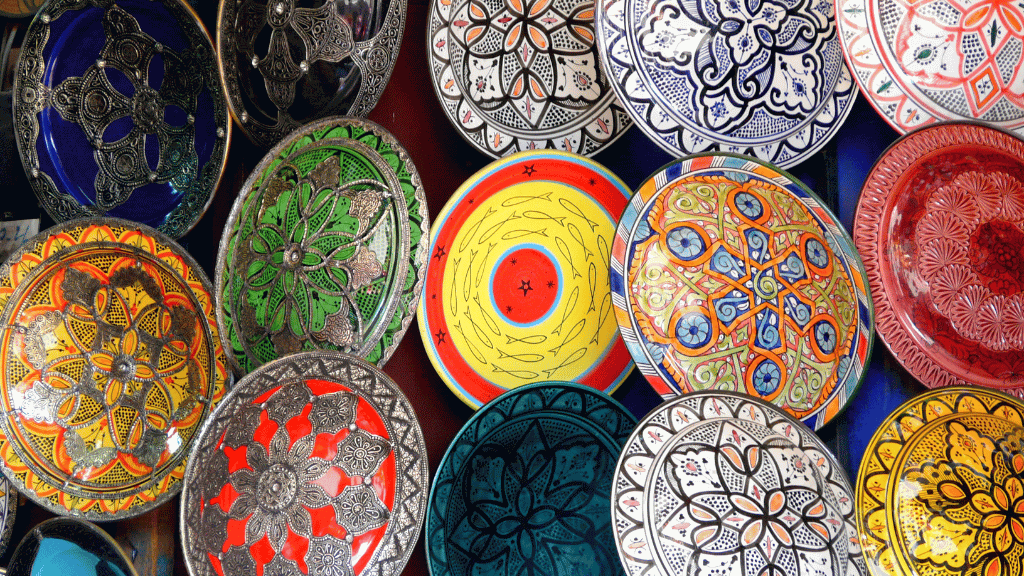
Faience pottery is a glazed ceramic known for its bright colors and glassy, reflective surface. The word covers two related things: the original Egyptian faience, a non-clay paste of crushed quartz and sand bound with soda and lime, and the later European faience, which is tin-glazed earthenware in the same family as Delft and majolica.
In both cases, the glaze is what defines it. Copper and other metallic oxides give Egyptian faience its famous turquoise-blue sheen, while the white tin glaze on European faience created a bright canvas for painted decoration.
What Does “Faience” Mean?
The word “faience” comes from Faenza, an Italian town that was a major center of tin-glazed pottery during the Renaissance. French buyers called the imported ware “faïence,” and the name stuck across Europe.
So the strict definition is: faience is earthenware coated with an opaque white tin glaze, then decorated with painted colors. Archaeologists later borrowed the same word for the much older Egyptian quartz-paste ceramic because its glossy blue-green surface looked similar, even though the material underneath is completely different.
If you see “faience” on a museum label, an antique listing, or a tile catalog, context tells you which one is meant. Anything Egyptian, Mesopotamian, or described as “frit” is the quartz-paste type. Anything European, painted, and made after about 1500 is tin-glazed earthenware.
The Two Types of Faience
This is where most confusion comes from, so here is the difference side by side:
| Feature | Egyptian faience | European (tin-glazed) faience |
|---|---|---|
| Body material | Crushed quartz/sand + soda + lime (no clay) | Buff or reddish earthenware clay |
| Glaze | Self-glazing alkaline surface, usually copper-blue | Opaque white tin glaze, painted with oxides |
| Typical color | Turquoise, blue-green | White ground with blue, yellow, green, orange decoration |
| Era | From about 4000 BCE | From the Renaissance onward |
| Famous examples | Amulets, scarabs, shabti figures, beads | Delftware, Quimper, majolica, decorative tiles |
| Feel | Slightly grainy, sandy body under the glaze | Smooth, chalky earthenware that chips to a tan or pink body |
Both aim for the same thing: a bright, glassy, colorful surface on an inexpensive body. But the chemistry and the making process are entirely different.
How Egyptian Faience Is Made
Egyptian faience starts as a stiff paste of finely crushed quartz or sand mixed with natron (a natural soda), lime, and a colorant — most often copper oxide for that signature turquoise.
The paste is shaped by hand or pressed into molds. It is not plastic like clay, so it suits small, simple forms: beads, amulets, inlays, and small figurines rather than thrown vessels.
The remarkable part is that it can glaze itself. As the piece dries, soluble salts migrate to the surface (a process called efflorescence). When fired at roughly 1,470–1,650°F (800–900°C), those salts melt into a thin glassy skin while the quartz body sinters underneath. Other methods buried the piece in glazing powder or applied the glaze as a slurry, but the result is the same: a glossy colored surface fused to a pale sandy core.
How European Faience Is Made
European faience follows the standard tin-glaze workflow, the same family of techniques behind Delft pottery and majolica:
- Form the piece from earthenware clay (thrown, press-molded, or slab-built).
- Bisque fire it, typically around cone 06–04, about 1,830–1,940°F (1,000–1,060°C).
- Dip in tin glaze. Tin oxide makes the glaze opaque and white, hiding the tan clay body completely.
- Paint decoration directly onto the unfired, powdery glaze surface using metal oxides: cobalt for blue, copper for green, antimony for yellow, manganese for purple-brown. There is no erasing; the dry glaze drinks the brushstroke instantly.
- Glaze fire at roughly 1,650–1,940°F (900–1,060°C), which melts the glaze and fuses the painted colors into it.
If you want more background on how glazes work in general, my guide to pottery glaze covers the chemistry in plain terms.
Faience Tiles
Faience tiles deserve their own mention because the word “faience” survives most strongly in architecture. In the building trades, “faience tile” means a glazed, often hand-finished ceramic tile with slight surface variation. Think warm and hand-crafted rather than dead-flat and machine-made.
You will find historic faience tiles on Victorian and Edwardian building facades, pub interiors, fireplace surrounds, and subway stations. The glossy tin or lead glazes were durable and washable, and they held color outdoors far better than paint.
A few practical notes if you are buying or restoring them:
- Reproduction and modern handmade faience tiles are widely available; expect to pay several times the price of standard machine-made wall tile because each piece is glazed and fired with more handwork.
- Antique salvaged faience tiles can be valuable, especially with maker’s marks from known potteries. Check the back before you grout over anything.
- Old architectural faience may carry lead glazes. That is fine on a wall but not on a kitchen counter where food is prepared.
Historical Significance
Faience is one of the oldest glazed ceramics in the world. Egyptians were producing it by around 4000 BCE and prized the turquoise color as a symbol of life, rebirth, and the heavens, which is why faience amulets, scarabs, and shabti figures fill Egyptian tomb collections.
The technique spread through Mesopotamia, Persia, and the Greco-Roman world. Millennia later, the tin-glaze tradition traveled a separate route: from the Islamic world into Moorish Spain, then to Italy (majolica), France (faïence), and the Netherlands, where Delftware became Europe’s answer to Chinese porcelain.
Regional Styles of European Faience
Delftware
Dutch tin-glazed earthenware from the 16th century onward, famous for blue-and-white scenes imitating Chinese export porcelain. Genuine pieces are marked and well documented. I cover the telltale signs in how to tell real Delft pottery.
Quimper Faience
A French style from Brittany dating to the 17th century, instantly recognizable by its hand-painted Breton figures in folk costume, birds, and floral borders. Quimper is still produced today and is one of the most actively collected faience styles.
Majolica
The Italian Renaissance branch of the family, with richly painted mythological and botanical scenes. The 19th-century English revival (often spelled “majolica” with colored lead glazes) is a related but distinct collecting category.
Caring for Faience Pottery
Faience bodies are porous and fired low, so they are softer and more fragile than stoneware or porcelain. Treat them accordingly:
- Avoid sudden temperature swings: no dishwashers, no hot liquids in cold pieces. Thermal shock crazes or cracks the glaze.
- Hand wash with mild soap and lukewarm water. Skip abrasive pads; tin glaze scratches more easily than you’d expect.
- Watch for crazing (fine cracks in the glaze). On antiques it is normal and usually doesn’t hurt value much, but it does let moisture into the porous body, so don’t soak crazed pieces.
- Display valuable pieces away from edges and use museum gel or plate stands. Most faience damage I’ve seen is chipped rims from careless stacking, not dramatic breaks.
For routine cleaning methods that won’t harm the surface, see my notes on cleaning glazed ceramic pottery.
FAQ
What is the simple definition of faience?
Faience is glazed ceramic ware, either the ancient Egyptian quartz-paste ceramic with a glassy blue-green surface, or European earthenware coated in an opaque white tin glaze and painted with colored decoration. The name comes from Faenza, Italy, a historic center of tin-glazed pottery.
Is faience the same as earthenware?
European faience is a type of earthenware, specifically earthenware finished with a tin glaze. Plain earthenware can be unglazed or clear-glazed and shows its clay color; faience always hides the body under an opaque white glaze. Egyptian faience contains no clay at all, so it is not earthenware in any sense.
What are faience tiles?
Faience tiles are glazed ceramic tiles, traditionally tin-glazed, with a hand-finished surface. The term is most common in architecture, where it describes the decorative glazed tilework on historic building facades, fireplaces, and pub and station interiors, as well as modern handmade tiles in that style.
Can faience pottery be used for food?
Use caution. Antique and vintage faience often used lead-bearing glazes that can leach into food, especially acidic food, and the porous low-fired body doesn’t tolerate heat or soaking. Modern faience sold as tableware with lead-free glazes is fine for serving; older or unmarked pieces are best kept decorative.
How can I tell genuine faience pottery?
Look for a chalky tan, buff, or pink earthenware body anywhere the glaze has chipped, a thick opaque white glaze layer, hand-painted decoration that sits in the glaze rather than printed on top, and maker’s marks consistent with known potteries. For Egyptian faience, expect a sandy, granular core under a thin turquoise glassy skin.
What is the difference between faience and majolica?
They are the same basic technique, tin-glazed earthenware, named differently by region. “Majolica” is the Italian tradition, “faience” the French and broader European term, and “delftware” the Dutch and English version. Collectors also use “majolica” for 19th-century English ware with colored lead glazes, which is a separate style.