
What Is Terracotta Pottery?
By Linda · · 8 min read
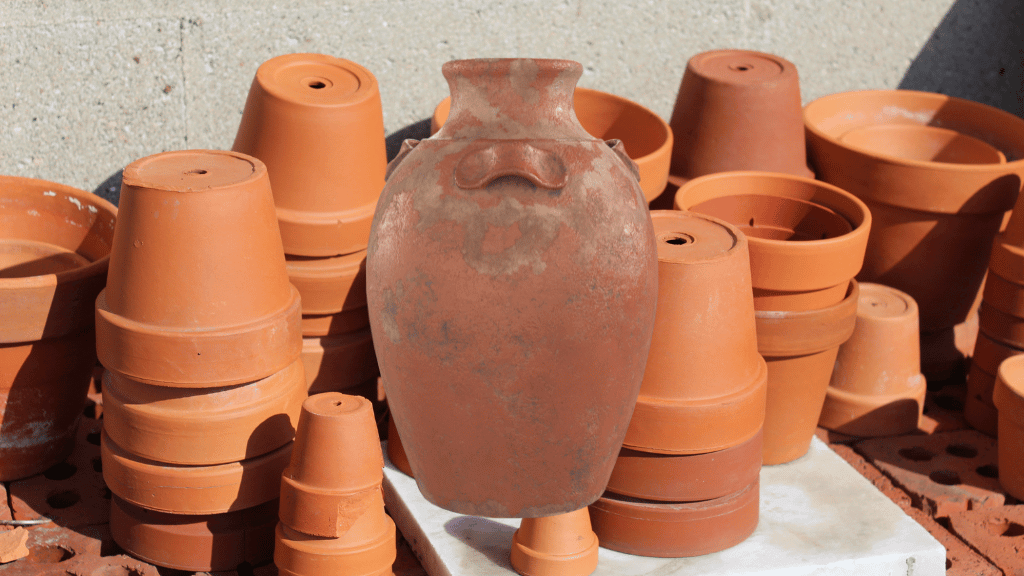
Terracotta pottery is ceramicware made from iron-rich, red-brown earthenware clay fired at a low temperature, typically cone 06 to cone 04 (about 1830-1945°F, or 1000-1063°C). The result is a porous, sturdy ceramic with that familiar orange-red color, usually left unglazed.
The word comes from Italian: terra means earth and cotta means cooked or baked. So terracotta literally means “baked earth,” and that definition covers everything from a garden flower pot to ancient roof tiles and the famous Terracotta Army of China.
Terracotta Meaning and Definition
If you want a one-sentence definition: terracotta is low-fired, unglazed earthenware made from a natural clay that turns reddish-orange in the kiln because of its iron content.
People use the word in three slightly different ways, which causes a lot of confusion:
- The clay itself: raw, iron-rich earthenware clay before it’s fired.
- The finished ceramic: fired pots, tiles, bricks, and sculpture.
- The color: that warm orange-brown shade, even on things that aren’t clay at all.
In pottery, when I say “terracotta,” I mean the first two: the clay and what it becomes after firing.
Is Terracotta a Clay or a Ceramic?
It’s both, depending on when you ask. Before firing, terracotta is a clay. After firing, it’s a ceramic. Specifically, it’s a type of earthenware, the lowest-fired and most porous category of ceramics.
So yes, terracotta is ceramic. All terracotta is ceramic, but not all ceramic is terracotta. Ceramic is the umbrella term for any clay body hardened by heat; terracotta is one specific member of that family, alongside stoneware and porcelain.
What Is Terracotta Made Of?
Terracotta starts as a secondary clay, meaning clay that has traveled from its parent rock via water and picked up minerals along the way. It’s commonly dug from riverbeds and surface deposits, which is one reason it has been so widely used. It’s cheap, and it’s available nearly everywhere on earth.
A typical terracotta clay body contains:
- Clay minerals (kaolinite and similar silicates) that give it plasticity
- Iron oxide, usually 5-10%, which creates the red-orange color when fired in an oxygen-rich kiln
- Sand, silica, and grog that add structure and reduce shrinkage
- Other mineral impurities that lower the melting point, which is why terracotta matures at such low temperatures
Raw terracotta clay often looks brown, gray, or even greenish. The signature orange-red only develops in the kiln, when the iron oxidizes. Fire the same clay in a reduction (oxygen-starved) atmosphere and it can come out dark brown or even blackish.
Terracotta vs. Other Ceramics
The “difference between terracotta and ceramic” question comes up constantly, and the honest answer is that it’s a category mix-up. Terracotta is a ceramic. The useful comparison is terracotta against the other main clay bodies:
| Terracotta | Stoneware | Porcelain | |
|---|---|---|---|
| Firing temp | ~1830-1945°F (1000-1063°C), cone 06-04 | ~2160-2380°F (1180-1300°C), cone 5-10 | ~2300-2420°F (1260-1330°C), cone 8-12 |
| Porosity | High (absorbs water) | Very low | None (vitrified) |
| Color | Orange-red to brown | Gray, buff, brown | White, translucent when thin |
| Strength | Chips and cracks fairly easily | Strong | Strong but can chip |
| Watertight unglazed? | No | Mostly yes | Yes |
| Typical price | Cheapest | Mid-range | Most expensive |
When a store sells a “ceramic pot” next to a “terracotta pot,” what they usually mean is that the ceramic one is glazed (often glazed stoneware) and the terracotta one is unglazed earthenware. The glazed pot holds water and resists frost better; the terracotta pot breathes. You can read more about how glazing changes a pot in my post on glazed pottery.
How Terracotta Is Made and Fired
Making terracotta follows the same basic workflow as any pottery:
- Wedging: knead the clay to remove air bubbles and even out moisture.
- Forming: throw it on the wheel, hand-build it, or press it into molds. Terracotta is forgiving and plastic, which makes it a pleasant clay for beginners.
- Drying: let the piece dry slowly and completely, to bone dry. Give it several days, or a week or more for thick pieces. I’ve cracked more than one pot rushing this step.
- Bisque firing: fire to around cone 06-04, about 1830-1945°F (1000-1063°C). For most terracotta, this single firing is the finished product. If you’re curious what that first firing produces, see my post on bisque pottery.
- Optional glazing: apply a low-fire glaze and fire again, usually to the same cone range. Glazing makes terracotta watertight. If the piece will hold food or drink, use a glaze rated food-safe; some low-fire glazes, especially on old or imported ware, contain lead.
One caution from experience: terracotta’s low firing range is unforgiving on the high end. Overfire it by a couple of cones and it can slump, bloat, or melt outright. Always check the cone rating printed on your clay bag and stay within it.
What Terracotta Is Used For
Terracotta’s mix of low cost, easy forming, and porosity makes it the workhorse of the ceramic world:
- Plant pots and planters: the porous walls let air and moisture pass through, which helps prevent root rot. This is why gardeners have used terracotta for centuries.
- Roof tiles, bricks, and floor tiles: they stand up to weather and hold heat well. Much of the Mediterranean is roofed in terracotta.
- Cookware: tagines, cazuelas, bean pots, and pizza stones. Terracotta heats evenly and holds heat well. Just make sure any piece used for food is labeled food-safe. My post on unglazed pottery and food safety covers what to look for.
- Sculpture: from the 8,000-soldier Terracotta Army buried with China’s first emperor to Renaissance reliefs and modern garden statuary.
Historically, terracotta is one of humanity’s oldest technologies. Fired clay figurines date back tens of thousands of years, and nearly every ancient civilization (Egypt, Mesopotamia, Greece, Rome, the Indus Valley, Pre-Columbian America) left terracotta behind for archaeologists to find.
Why Does My Cat Lick Terracotta Pots?
This question lands in my inbox more than you’d expect. Cats licking (or chewing) terracotta pots is common, and there are a few likely reasons:
- Texture and temperature: unglazed terracotta is cool, rough, and slightly damp, which makes it interesting to a cat’s tongue the way concrete and brick often are.
- Minerals and salts: a damp pot wicks mineral-laden water through its walls, leaving faint salty deposits on the surface that some cats find appealing.
- Pica: persistent licking or eating of non-food materials can be a behavior called pica, which is sometimes linked to dietary gaps, stress, or boredom.
Is it dangerous? The fired clay itself is generally not toxic. It’s essentially baked earth. The real risks are what’s on the pot: fertilizer residue, pesticide, mold on a damp pot, or a houseplant in it that’s toxic to cats (lilies, pothos, and many others are). Old or imported glazed pots can also contain lead glazes, which you don’t want any pet mouthing.
My advice: wipe down pots that attract your cat, move toxic plants out of reach, and if the licking is frequent or your cat starts gnawing off and swallowing bits of clay, mention it to your vet to rule out a deficiency.
Caring for Terracotta Pottery
Terracotta lasts decades with basic care, but its porosity creates two specific problems: staining and frost damage.
- Cleaning: scrub unglazed terracotta with warm water and a stiff brush. For white mineral crust on planters, soak in a 1:1 vinegar-and-water solution, then rinse well. Avoid harsh chemicals, because the porous surface absorbs them.
- Winter: this is the big one. A terracotta pot left outside in a freezing climate absorbs water, and when that water freezes it expands and flakes or cracks the pot. Empty outdoor pots and store them dry and upside down in a shed or garage over winter, or move them somewhere frost-free.
- Cookware: soak new terracotta cookware in water before first use, heat it gradually (never from cold straight onto high heat), and use wooden or silicone utensils.
- Sealing: for outdoor pieces you want to protect, a breathable masonry sealer slows water absorption without trapping moisture inside.
If you want to decorate a plain pot, terracotta takes paint well. I cover primers and sealers in my guide to using acrylic paint on pottery.
FAQ
What is the definition of terracotta?
Terracotta is low-fired earthenware made from iron-rich clay that turns reddish-orange in the kiln, usually left unglazed. The name is Italian for “baked earth.” It refers both to the raw clay and to the finished fired ceramic.
Is terracotta a type of clay?
Yes. Before firing, terracotta is a natural, iron-rich earthenware clay found in surface deposits and riverbeds worldwide. Once fired to around 1830-1945°F (1000-1063°C), it becomes a permanent ceramic.
Is terracotta the same as ceramic?
Terracotta is one type of ceramic. “Ceramic” covers all fired-clay products, including stoneware and porcelain. In stores, “ceramic pot” usually means a glazed, higher-fired pot, while “terracotta pot” means unglazed red earthenware, but technically both are ceramics.
What is terracotta made of?
Terracotta is made of secondary clay containing clay minerals, sand, silica, and roughly 5-10% iron oxide. The iron is what creates the orange-red color during an oxidation firing.
Why does my cat lick my terracotta pot?
Usually it’s the cool, rough texture or trace mineral salts wicked to the pot’s surface. The fired clay itself is generally harmless, but watch out for fertilizer residue, toxic houseplants, and old lead-glazed pots, and talk to your vet if the behavior is constant or your cat eats pieces of clay.
Can terracotta pots stay outside in winter?
Not safely in freezing climates. Terracotta absorbs water, and freeze-thaw cycles crack and flake it. Store pots dry and sheltered over winter, or switch to frost-resistant glazed stoneware for year-round outdoor use.