
What Is Pottery Glaze?
By Linda · · 8 min read
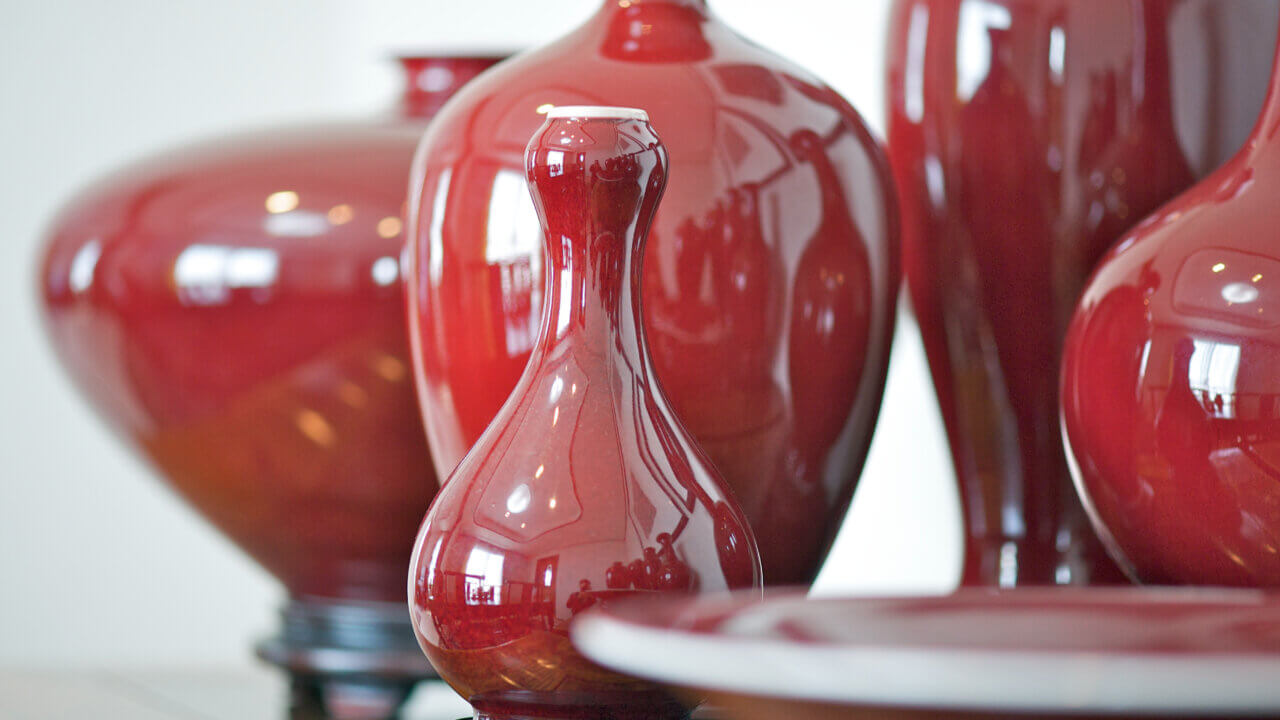
Pottery glaze is a glass-like coating applied to ceramic surfaces for decoration and protection. It is a suspension of ground minerals (mainly silica, alumina, and flux) mixed with water, plus colorants like metal oxides. When the glazed piece is fired in a kiln, the mixture melts and fuses to the clay, hardening into a smooth, durable surface that’s usually glossy.
A good glaze does three jobs at once: it seals porous clay so the piece can hold liquid, it makes the surface easier to clean and food-safe (when formulated correctly), and it gives the pot its color and character.
What Is Pottery Glaze Made Of?
Every glaze, no matter how fancy the name on the jar, comes down to four building blocks:
- Silica (glass former): The backbone of the glaze. Silica is the part that turns glassy when it melts. On its own it melts around 3100°F (1700°C), far hotter than any pottery kiln reaches, which is why it needs help from a flux.
- Flux (melter): Materials like feldspar, frits, whiting (calcium carbonate), or boron compounds that lower silica’s melting point so the glaze matures at kiln temperatures.
- Alumina (stabilizer): Usually supplied by clay (kaolin) in the recipe. Alumina stiffens the melted glaze so it doesn’t run off the pot and pool on your kiln shelf.
- Colorants and modifiers: Metal oxides and carbonates give glazes their color: cobalt for blue, copper for green, iron for browns and ambers, chrome for greens, manganese for purples and blacks. Opacifiers like tin oxide or zircopax make a glaze opaque white.
Commercial glazes mix all of this for you and add suspension agents so the jar doesn’t settle into a brick. If you mix your own from raw materials, a basic recipe is roughly half feldspar and silica, with clay and a flux like whiting making up most of the rest. Then you test, adjust, and test again.
How Glaze Works in the Kiln
Glaze is applied to bisque-fired pottery, meaning clay that has already been through a first, lower-temperature firing. If you’re not sure what that stage looks like, I cover it in what is bisque pottery. The porous bisque absorbs water from the glaze, leaving a powdery mineral layer on the surface.
During the glaze firing, that layer melts, flows slightly, and fuses with the clay body. As the kiln cools, it solidifies into glass. Firing temperature matters enormously:
| Firing range | Cone | Temperature | Typical use |
|---|---|---|---|
| Low-fire | Cone 06–04 | 1828–1945°F (998–1063°C) | Earthenware, bright commercial colors, school glazes |
| Mid-range | Cone 5–6 | 2167–2232°F (1186–1222°C) | Stoneware, most home electric kilns, functional ware |
| High-fire | Cone 9–10 | 2300–2345°F (1260–1285°C) | Porcelain, gas reduction firing, classic celadons |
A glaze formulated for cone 06 will melt into a runny mess at cone 6, and a cone 10 glaze will look dry and underfired at cone 04. Always match the glaze’s cone rating to your clay body and firing schedule. For a deeper look at the finished result, see what is glazed pottery.
Glaze Application Techniques
There are four main ways to get glaze onto a pot, and each gives a different result:
- Dipping: Fast and even. The pot goes into a bucket of glaze for 2–3 seconds. Best for production work, but you need a large volume of glaze, usually a 5-gallon bucket.
- Brushing: The most practical method for hobby potters using jarred commercial glazes. Apply 2–3 coats, letting each dry until it loses its shine before the next.
- Pouring: Good for the insides of mugs, bowls, and vases. Swirl the glaze around and pour it out.
- Spraying: Gives soft gradients and blended colors, but requires a spray gun, compressor, and a ventilated spray booth.
Whatever the method, glaze thickness is the variable that makes or breaks the result. Too thin and the color looks washed out; too thick and the glaze can run, crawl, or blister. Aim for the thickness of a credit card or two, total.
Choosing Glaze Brushes
If you brush your glazes, the brush matters more than most beginners expect. A cheap stiff brush leaves streaks and drags glaze off the previous coat instead of laying a new one down.
What I look for in a pottery glaze brush:
- Soft, absorbent bristles: Natural hake (goat hair) brushes and soft synthetic “mop” brushes hold a lot of glaze and release it evenly. That capacity is the whole game. Fewer reloads means fewer lap marks.
- A fat round or flat mop, 3/4”–1”, for covering the body of a piece in two or three passes.
- A small round detail brush (size 2–6) for dots, lines, and touching up bare spots.
- A liner brush with long bristles for banding and fine lines on the wheel.
A serviceable starter set costs around $10–$25, and a good hake brush runs $8–$20 on its own. Load the brush fully, work in one direction, and don’t scrub. Let the glaze flow off the bristles. I go through specific picks in my guide to the best brushes for glazing pottery.
One more tip: never let glaze dry in the brush. Rinse it immediately, because dried glaze is abrasive and will splay the bristles for good.
Types of Pottery Glazes
Glossy Glaze
The most common finish. Smooth and reflective, with a higher proportion of flux so the surface melts fully. Glossy glazes are the easiest to clean, which is why most functional dinnerware uses them.
Matte Glaze
Less flux and more alumina or clay produce a flat, velvety surface that emphasizes the form of a piece. True mattes can be slightly harder to clean and some are not ideal for food surfaces, so check the manufacturer’s label.
Transparent Glaze
Clear glazes let the clay body, slips, or underglaze decoration show through. They’re the standard topcoat over painted underglaze work.
Opaque Glaze
Opaque glazes completely cover the clay underneath, which makes them useful for hiding a dull clay body or laying down a bold, uniform color field.
Crystalline Glaze
Zinc-rich glazes that grow visible crystals during a slow, carefully controlled cooling cycle. Striking, but among the hardest glazes to fire well, and they’re decorative rather than functional.
Celadon Glaze
Celadon glazes are translucent iron-tinted glazes famous for their soft jade-green color, originally developed in China and traditionally fired in high-fire reduction kilns.
Glaze Crazing and Other Common Defects
Crazing is the fine network of hairline cracks you sometimes see in a fired glaze. It happens when the glaze shrinks more than the clay body as the piece cools. The glaze ends up under tension and cracks to relieve it. Crazing is mostly cosmetic, but on functional ware those cracks can harbor bacteria and weaken the piece slightly, so a heavily crazed mug isn’t ideal for daily use. Fixes include switching to a better-fitting glaze, firing to the correct cone, or adjusting the recipe; I walk through the options in how to fix crazing in pottery.
Other defects worth knowing:
- Pinholing: Tiny holes left by gases escaping through the melted glaze. Usually a too-fast firing or dusty bisque.
- Crawling: Glaze pulls away from the surface in bare patches, typically from glazing over dust, oil from your hands, or applying glaze too thickly.
- Running: Glaze flows down the pot and welds it to the kiln shelf. Over-fired or over-applied. Leave the bottom quarter-inch of a piece bare as insurance.
- Shivering: The opposite of crazing — flakes of glaze pop off edges because the glaze is under compression. Rare but serious, since flakes can end up in food.
Painting Over Ceramic Glaze
You can paint over an already-fired glaze, but the paint won’t behave like glaze. Your options:
- Refire with more glaze or overglaze decoration: Apply a compatible glaze or china paints/lusters and fire again. This is the only route that produces a durable, washable, potentially food-safe surface.
- Acrylic or enamel paint without refiring: Fine for purely decorative pieces, but the paint sits on top of the glass surface, scratches off over time, and is never food-safe.
Paint adheres poorly to glossy fired glaze, so for cold-painted decor pieces, lightly scuff the surface first and seal afterward. I cover the details and which products hold up in can you paint over glazed pottery.
Safety Considerations for Pottery Glazes
Some glaze ingredients (lead, cadmium, barium, and other heavy metals) are toxic if inhaled or ingested. Sensible precautions:
- Wear a NIOSH-rated dust mask (N95 or better) when mixing dry glaze materials, and wipe surfaces with a wet sponge instead of sweeping.
- Use only glazes labeled food-safe on surfaces that touch food or drink, and fire them to the cone the manufacturer specifies. An underfired “food-safe” glaze can still leach.
- Don’t eat or drink in the glazing area, and wash your hands after handling glaze.
- Ventilate the kiln room; firing releases fumes.
Most modern commercial hobby glazes are lead-free, but vintage materials and some imported low-fire glazes are not, so read labels.
FAQ
What is pottery glaze made of?
Silica (the glass former), flux such as feldspar or frit (to lower the melting point), alumina from clay (to stabilize the melt), and metal-oxide colorants like cobalt, copper, and iron. Mixed with water, it forms the creamy liquid you apply to bisqueware.
What brushes are best for glazing pottery?
Soft, high-capacity brushes: a hake or mop brush around 3/4”–1” for coverage, plus a small round for details. Stiff bristles streak and lift previous coats. A decent set costs $10–$25.
What causes glaze crazing?
A fit mismatch. The glaze shrinks more than the clay as the piece cools, so it cracks under tension. Underfiring, thick application, or pairing a glaze with the wrong clay body are the usual culprits. It’s mostly cosmetic but undesirable on food surfaces.
Can I create my own pottery glaze?
Yes. Glaze recipes built from feldspar, silica, clay, whiting, and colorants are widely published in pottery books and online. Expect to run test tiles first, because the same recipe behaves differently across clay bodies, application thicknesses, and kilns.
Can you paint over ceramic glaze?
Yes, two ways: refire with overglaze decoration or a compatible glaze for a durable result, or use acrylic/enamel paint for decorative-only pieces. Cold paint on fired glaze is never food-safe and will wear over time.
Are all pottery glazes food-safe?
No. Glazes containing lead, cadmium, or barium can leach into food and drink, and even safe recipes can leach if underfired. For functional ware, use glazes explicitly labeled food-safe and fire them to the manufacturer’s recommended cone.