
How To Clean Glazed Ceramic Pottery
By Linda · · 8 min read
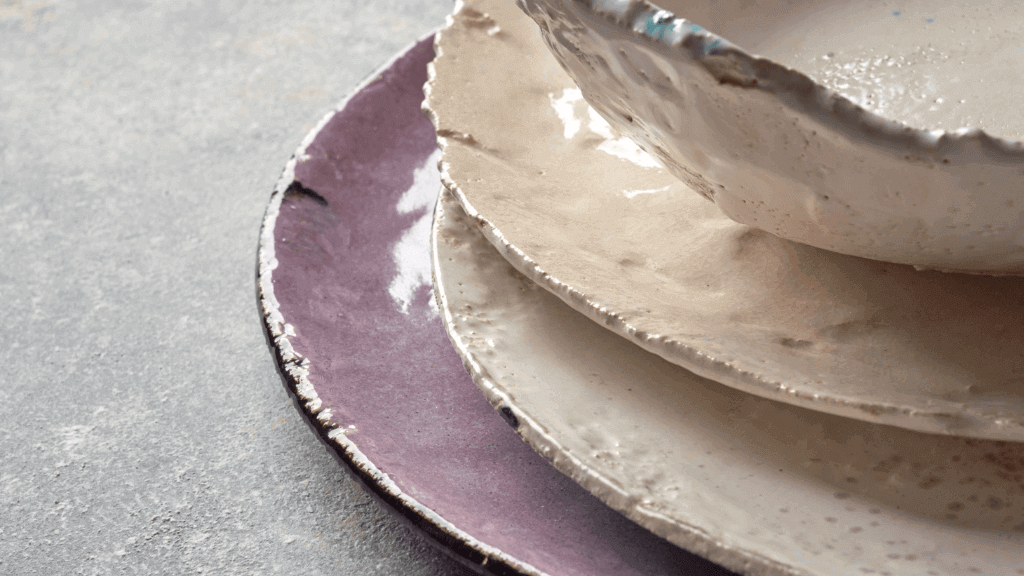
To clean glazed ceramic pottery, fill a basin with lukewarm water and a few drops of mild dish soap, soak the piece for 5–10 minutes, then scrub gently with a soft sponge or brush. Rinse with clean water, pat dry with a soft towel, and let it air dry completely before storing or displaying it.
That’s the safe method for almost any glazed piece. The sections below cover tough stains, unglazed pottery (which needs a different approach), microwave and dishwasher safety, and what to do when a piece is cracked or chipped.
Cleaning Glazed Ceramic Pottery Step by Step
A fired glaze is a thin layer of glass, so it cleans up easily. The job is just to avoid scratching it or shocking it with a sudden temperature change.
Step 1: Gather Your Cleaning Supplies
You only need four things:
- Lukewarm water (never hot, since thermal shock can crack older pieces)
- Mild dish soap
- Soft brush, sponge, or microfiber cloth
- Soft towel for drying
Skip steel wool, scouring powder, and the rough green side of kitchen sponges. They leave fine scratches in the glaze that dull the surface and trap dirt later.
Step 2: Create a Cleaning Solution
Mix lukewarm water with a few drops of mild dish soap in a basin or sink deep enough to submerge the piece. Line the sink with a folded towel first. Most chipped pottery I’ve seen was knocked against a hard sink edge, not dropped on the floor.
Step 3: Soak the Pottery
Submerge the piece and let it soak for 5–10 minutes. This loosens dirt and dried-on grime so you barely need to scrub. Don’t soak pieces with old repairs, though. Water can soften some adhesives.
Step 4: Scrub the Surface Gently
Work over the whole surface with a soft brush or sponge, paying attention to crevices, carved details, and the foot ring on the bottom (which is usually unglazed and holds the most grime). A soft toothbrush is perfect for tight spots.
Step 5: Rinse and Dry
Rinse thoroughly with clean water to remove soap residue, pat dry with a soft towel, and let the piece air dry completely (ideally overnight) before putting it back in a cabinet. Trapped moisture is what allows mildew to start.
Extra Care for Antique or Delicate Pottery
For antiques, never soak; wipe with a barely damp cloth instead. Old glazes can have fine cracks (crazing) that let water into the clay body, and water can also loosen old restorations. If a piece is valuable or unstable, talk to a professional restorer before cleaning it at all.
Tackling Tough Stains on Glazed Ceramic Pottery
When soap and water aren’t enough, match the treatment to the stain. Here’s the quick reference I use:
| Problem | Treatment | Time | Notes |
|---|---|---|---|
| Hard water / calcium deposits | Equal parts white vinegar and water | 15 minutes | Rinse well afterward |
| Tea and coffee staining | Paste of baking soda and water | 10–15 minutes | Mildly abrasive; rub gently |
| Mold or mildew | 1 part bleach to 4 parts water | A few minutes only | Gloves and ventilation |
| Stains under crazed glaze | Soak in 3% hydrogen peroxide | Several hours to overnight | Slow but effective |
| Paint or ink marks | Rubbing alcohol or acetone on a swab | Dab until lifted | Test a hidden spot first |
Removing Calcium or Hard Water Deposits
Vases and planters that hold water build up white, chalky calcium deposits over time. Mix equal parts white vinegar and water, apply it to the affected areas (a spray bottle works well), let it sit for about 15 minutes, then scrub gently and rinse thoroughly.
Eliminating Mold or Mildew
Mold shows up on pottery stored in damp basements or used as planters. Wearing gloves, apply a solution of 1 part household bleach to 4 parts water, scrub gently with a soft brush, and rinse very thoroughly. Don’t let bleach sit on the piece for more than a few minutes. And never mix bleach with vinegar; that combination releases toxic chlorine gas.
Stains Trapped Under Crazed Glaze
If you see dark lines or brown blotches under a network of fine glaze cracks, the stain is in the clay body, not on the surface. No amount of scrubbing reaches it. Soak the piece in 3% hydrogen peroxide (the ordinary drugstore kind) for several hours or overnight, then rinse and dry. Stubborn staining may take a few rounds. Heavily crazed pieces are best retired from food use; if you still love the piece, you may be able to refresh it, and I cover when that’s realistic in can you reglaze pottery.
How to Clean Unglazed Ceramic Pottery
Unglazed pottery (bisque ware, terracotta, raw stoneware) is porous, so it soaks up water, soap, and stains like a sponge. The rules change:
- Clean it dry first. A stiff, dry brush removes most dirt from terracotta and bisque.
- If you must use water, use plain water and as little as possible. Soap soaks into the pores and is nearly impossible to rinse out. It can leach back out later, which matters for anything that touches food.
- For terracotta planters with mineral crust, soak in 1 part white vinegar to 3–4 parts water for 20–30 minutes, scrub, then rinse with plain water.
- Let unglazed pieces dry for a full day or two. The clay holds water deep in its pores long after the surface feels dry.
Never put unglazed pottery in the dishwasher, and be cautious about using it for food at all. I explain why in is unglazed pottery food safe.
Is Glazed Ceramic Microwave and Dishwasher Safe?
Most fully glazed, commercially made ceramic is microwave safe, but there are real exceptions. Pieces with metallic decoration (gold or silver lusters) will spark. And pottery with crazed glaze or a porous, low-fired body absorbs water that turns to steam in the microwave, so the piece gets dangerously hot and can crack. Quick test: microwave the piece next to a cup of water for one minute. If the pottery is hotter than the food would be, it’s absorbing energy and shouldn’t go in. There’s a fuller breakdown in is pottery microwave safe.
Dishwashers are harsher than most people think: detergent is mildly abrasive, water hits 140–160°F (60–71°C), and the heat-dry cycle stresses glaze. Commercial stoneware usually handles it fine. Handmade, low-fired, hand-painted, or repaired pieces should be hand-washed. More detail in can pottery go in the dishwasher.
How well a piece survives daily washing comes down to how it was fired. Earthenware is fired around cone 06–04 (1,828–1,945°F / 998–1,063°C) and stays somewhat porous even when glazed. Stoneware at cone 5–6 (2,167–2,232°F / 1,186–1,222°C) and porcelain at cone 10 (about 2,345°F / 1,285°C) are vitrified, meaning glass-hard and nearly waterproof. The higher the firing, the more abuse the piece tolerates.
Cleaning Cracked, Chipped, or Repaired Pottery
Damaged pottery needs gentler handling:
- Cracked glaze: don’t soak. Water enters the crack, and freeze-thaw or heat cycles widen it. Wipe with a damp cloth only.
- Repaired pieces: most adhesives soften with prolonged soaking or dishwasher heat. Hand-wash quickly and dry immediately.
- Chips and breaks: clean both surfaces with rubbing alcohol and let them dry fully before repairing, because adhesive won’t bond to dirty or damp ceramic. I walk through the repair itself in how to glue pottery back together, and which adhesives hold up in best glue for fixing pottery.
One warning: a glued piece is for display only. No adhesive sold for home use is food safe or heatproof enough for a mug or baking dish.
Maintaining Glazed Ceramic Pottery
A little routine care means you rarely need deep cleaning:
- Dust regularly. A microfiber cloth or soft brush once a week keeps grime from building into a film.
- Avoid extremes. Direct sunlight fades overglaze decoration, and damp locations invite mildew. Don’t pour boiling water into a cold piece.
- Handle with two hands. Lift by the body, never the handle or rim — those are the weakest points.
- Pad storage. Put felt, paper towel, or cork between stacked plates and bowls so the unglazed foot ring of one piece doesn’t scratch the glaze of the one below.
If a display piece looks tired rather than dirty, cleaning won’t fix it, but a refresh might. See can you paint over glazed pottery for what’s possible on decorative pieces.
FAQ: Cleaning Glazed Ceramic Pottery
Is ceramic microwavable?
Usually, yes. Fully glazed, high-fired ceramic without metallic decoration is microwave safe. Avoid microwaving anything with gold or silver trim, crazed (finely cracked) glaze, or a porous low-fired body, since absorbed moisture turns to steam and can crack the piece or make it burn-your-hand hot.
What is the difference between ceramic and pottery?
Ceramic is the broad category: any object made from clay (or related minerals) and hardened by heat, including tiles, porcelain figurines, and even industrial parts. Pottery is the subset of ceramics formed as vessels and ware: pots, bowls, mugs, plates. So all pottery is ceramic, but not all ceramic is pottery. I cover this in more depth in is pottery and ceramics the same thing.
What do you call a ceramic artist?
A ceramic artist is usually called a ceramicist (or ceramist). Someone who specifically makes functional vessels (mugs, bowls, plates) is traditionally called a potter. Many working artists use the terms interchangeably; “ceramicist” tends to signal sculptural or gallery work, while “potter” signals functional ware.
How do I clean unglazed ceramic pottery?
Brush it clean while dry whenever possible. If water is necessary, use plain water without soap (porous clay absorbs soap and won’t release it), scrub with a stiff brush, and let the piece dry for a day or two. For mineral deposits on terracotta, a diluted vinegar soak followed by a plain-water rinse works well.
What’s the best way to glue broken ceramic back together?
Clean both broken edges with rubbing alcohol, let them dry completely, then use a two-part epoxy for strength or a cyanoacrylate gel (super glue) for small clean breaks. Tape the joint while it cures. And remember that repaired pottery is display-only; home adhesives aren’t food safe or dishwasher proof.
What temperature is ceramic fired at?
Earthenware fires around cone 06–04, roughly 1,828–1,945°F (998–1,063°C). Stoneware fires at cone 5–6, about 2,167–2,232°F (1,186–1,222°C), and porcelain at cone 10, around 2,345°F (1,285°C). Glaze firings happen in the same ranges, which is why a fired glaze is durable enough to handle everyday washing.