
What Is Majolica Pottery?
By Linda · · 8 min read
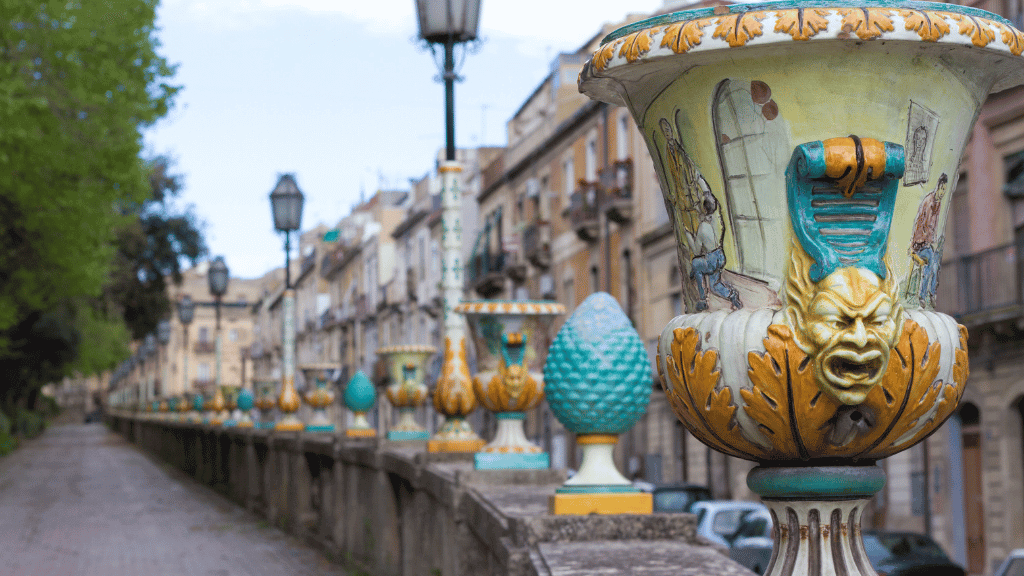
Majolica pottery is tin-glazed earthenware: low-fired clay coated in an opaque white tin glaze, then painted with bright mineral pigments before a second firing fuses the colors into the glaze. The result is the glossy, richly colored ceramic associated with Renaissance Italy and, later, Victorian England.
The word covers two related but distinct things. Italian “maiolica” is the original Renaissance tin-glaze tradition, while “Victorian majolica” is a 19th-century English style that uses colored lead glazes over molded relief designs. Both get called majolica, which is why identification trips up so many collectors.
The Majolica Technique: What Makes It Different
The defining feature of true majolica is the tin glaze. Tin oxide added to a clear glaze turns it opaque white, hiding the reddish-buff earthenware body underneath and creating a blank canvas for painting.
Here is what sets the technique apart from ordinary glazed pottery:
- The decoration is painted onto the raw, unfired glaze surface, which is powdery and absorbent like fresh plaster. Brushstrokes soak in instantly and can’t be erased — painters get one chance.
- The pigments are metal oxides: cobalt for blue, copper for green, antimony for yellow, manganese for purple-brown, and iron for orange.
- During the glaze firing, the painted colors sink into the melting tin glaze and become permanently fused, giving majolica its characteristic depth and gloss.
This in-glaze painting is what people mean when they search for the “majolica technique.” It’s the same family of methods used for faience and Delftware. The names mostly tell you where the work was made, not how.
A Short History of Majolica
Islamic and Spanish Origins
Tin glazing developed in the Islamic world around the 9th century, partly as an attempt to imitate Chinese porcelain. The technique traveled through Moorish Spain, where lusterware from Málaga and Valencia was shipped to Italy via the island of Majorca, the likely source of the name “maiolica.”
The Italian Renaissance
Italian potters perfected the style in the 15th and 16th centuries. Towns like Faenza, Deruta, Urbino, and Gubbio became famous for istoriato ware: plates and vessels painted with detailed narrative scenes from mythology and the Bible. Faenza was so influential that it gave its name to faience.
The Victorian Revival
In 1851, the English firm Minton introduced a new product it called “majolica” at the Great Exhibition in London. Despite the name, it was technically different: molded earthenware covered in thick, colored lead glazes rather than painted tin glaze. Wedgwood, George Jones, and Holdcroft followed, producing the pitchers, oyster plates, and garden seats that dominate today’s antique market. Most “majolica” you see at antique shops is this Victorian type.
How Majolica Pottery Is Made
Step 1: Forming and Bisque Firing
The piece is wheel-thrown, hand-built, or press-molded from earthenware clay, dried bone dry, then bisque fired to roughly cone 06–04, about 1828–1945°F (998–1063°C). This hardens the clay while leaving it porous enough to absorb glaze.
Step 2: Glazing
The bisque piece is dipped in or brushed with an opaque white tin glaze (modern potters often use zircon-based opacifiers instead, since they cost less than tin oxide). The glaze dries to a fragile, chalky coating.
Step 3: In-Glaze Painting
Decoration is painted directly onto the dry, unfired glaze with oxide- or stain-based pigments. Because the surface absorbs pigment like a sponge, painters work with quick, confident strokes. Traditional motifs include foliage, fruit, animals, grotesques, and narrative scenes.
Step 4: Glaze Firing
The painted piece is fired to about cone 06–04, roughly 1828–1945°F (998–1063°C). The glaze melts around the pigments, locking the painting inside a glassy surface. Some historical workshops added a third, lower firing for metallic luster effects, the technique behind lusterware.
In my own studio, the hardest part for students is the painting stage. I have them practice brushstrokes on a spare glazed tile first, because there’s no undo on raw glaze.
Majolica vs. Other Tin-Glazed Ceramics
These wares are often confused because they share the same basic chemistry. The differences are mostly regional and stylistic:
| Ware | Origin | Body | Typical Look |
|---|---|---|---|
| Italian maiolica | Italy, 15th–16th c. | Tin-glazed earthenware | Painted narrative scenes, bold polychrome |
| Faience | France, Germany, Scandinavia | Tin-glazed earthenware | Painted florals, often blue or polychrome |
| Delftware | Netherlands, England | Tin-glazed earthenware | Predominantly blue and white |
| Victorian majolica | England, 19th c. | Lead-glazed molded earthenware | Thick colored glazes over relief designs |
| Porcelain | China, then Europe | High-fired kaolin body | Translucent, white throughout |
Porcelain is the odd one out. It needs no opaque glaze because the body itself is white, and it fires far hotter than any tin-glazed ware.
How to Identify Majolica Pottery
When I size up a piece, I check these points in order:
- Look at the body. Majolica is earthenware. Check the foot ring or a chip: you should see a soft, porous, buff-to-reddish clay, not a white vitrified body. If the exposed clay is white and glassy, it is probably porcelain or ironstone.
- Check the glaze character. Italian-style majolica has a smooth opaque white ground with painting that sits in the glaze, slightly soft-edged. Victorian majolica has thick, glossy, intensely colored glazes that pool in the recesses of molded relief.
- Look for crazing and wear. A fine network of glaze cracks, glaze loss on rims, and chips showing the clay body are normal on genuine antique pieces. A flawless surface on a supposedly 150-year-old pitcher is a red flag.
- Find the maker’s mark. Minton, Wedgwood, and George Jones marked much of their Victorian output with impressed names, date ciphers, or pattern numbers on the base. Many smaller makers left pieces unmarked, so an absent mark doesn’t mean fake. But a mark helps enormously with dating and value.
- Inspect the underside. Victorian makers often glazed the undersides in mottled green-and-brown (“tortoiseshell”) or pink. Modern reproductions frequently have plain white, lightweight bodies and crude, runny painting.
- Weigh it in your hand. Genuine Victorian majolica feels dense for its size. Many modern Chinese-made reproductions feel light and thin-walled.
Reproductions are common, especially of oyster plates and figural pitchers. If a “rare” piece is priced suspiciously low, assume reproduction until proven otherwise.
Collecting Majolica: What Drives Value
Majolica is an active collecting field, and prices span an enormous range:
- Small unmarked Victorian plates and pitchers in worn condition often sell for $30–$150.
- Good marked pieces by Minton, Wedgwood, or George Jones commonly bring several hundred to a few thousand dollars.
- Exceptional Minton exhibition pieces and fine Renaissance Italian maiolica can reach tens of thousands at auction.
The factors that matter most are maker, rarity of the form, condition, and quality of the glazing. Chips, hairline cracks, and old repairs cut value hard, sometimes by half or more. Good restoration keeps a piece displayable but rarely brings back full market value. Always ask sellers directly whether a piece has been repaired, and check under UV light if you can, since most restoration fluoresces.
Caring for Majolica Pottery
Majolica’s earthenware body is soft and porous, which makes it more fragile than stoneware or porcelain.
- Dust with a soft, dry brush or microfiber cloth. If you must wash, use lukewarm water, a drop of mild dish soap, and a soft cloth. Never a dishwasher, and never soak a piece, because water wicks into the porous body through any glaze crack.
- Dry pieces thoroughly and air them before returning them to a cabinet.
- Keep antique majolica out of direct sunlight and away from heat sources; rapid temperature swings stress the glaze and widen crazing.
- Use plate stands rated for the piece’s weight. Victorian majolica is heavy, and flimsy wire stands are a common cause of breaks.
- Never put antique majolica in a microwave or oven.
For more on how glazes behave and why crazing happens, see my guide to pottery glaze.
FAQ
What is majolica pottery in simple terms?
Majolica is earthenware coated with an opaque glaze and decorated in bright colors. The original Italian version uses a white tin glaze painted with mineral pigments; the Victorian version uses thick colored lead glazes over molded designs. Both are low-fired, colorful, and glossy.
How can I identify majolica pottery?
Check the exposed clay (it should be soft, porous earthenware, not white porcelain), look for thick glossy colored glazes pooling in molded relief on Victorian pieces, examine the base for maker’s marks like Minton or Wedgwood, and expect honest age wear such as crazing and minor chips. Lightweight bodies, plain white undersides, and sloppy painting usually indicate modern reproductions.
What is the difference between majolica and faience?
They are the same basic technique (tin-glazed earthenware) named for different regions. Majolica (maiolica) refers to the Italian tradition, faience to wares from France, Germany, and Scandinavia, and Delftware to the Dutch and English blue-and-white version.
Is majolica pottery food safe?
Treat antique majolica as decorative only. Victorian majolica glazes typically contain lead, and crazed, porous surfaces can harbor bacteria even when lead is not a concern. Modern majolica made to current food-safety standards is fine for serving; when in doubt, ask the maker or keep it on the shelf.
Why is it called majolica?
The name likely comes from Majorca, the Spanish island through which Hispano-Moresque tin-glazed lusterware was shipped to Italy in the Middle Ages. Italian potters adopted both the technique and, eventually, a version of the island’s name.
Can damaged majolica be repaired?
Yes, but use a professional ceramics conservator for anything valuable. Proper restoration uses reversible conservation adhesives and fills; DIY repairs with household glue tend to yellow, are hard to undo, and lower the piece’s value more than the original damage did.