
Can You Use Acrylic Paint On Pottery?
By Linda · · 8 min read
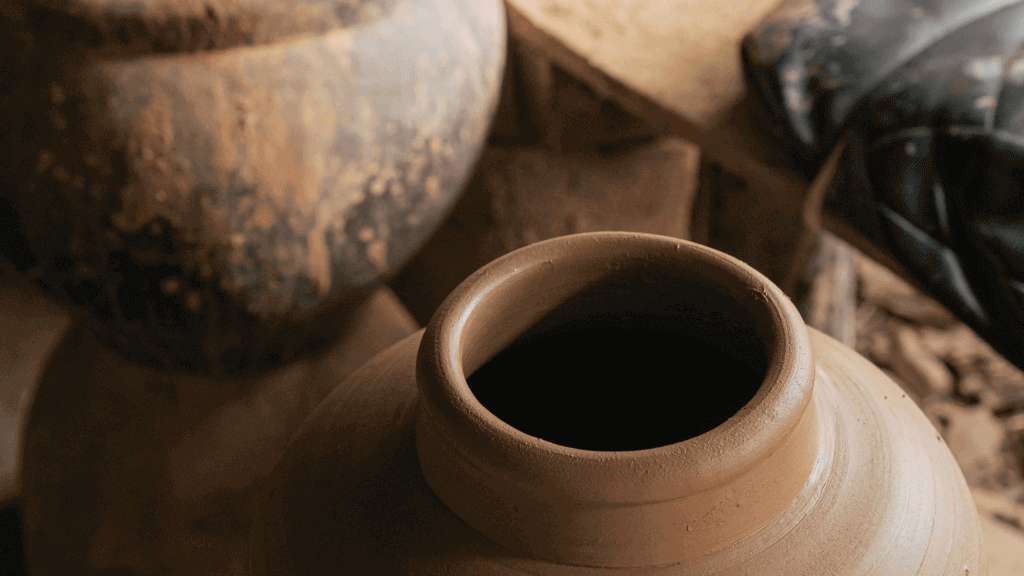
Acrylic paint can be used on unglazed pottery, such as greenware and bisque-fired clay, but it will not adhere well to glazed ceramics without surface preparation. Acrylic is a cold-finish paint: it sits on top of the clay, never gets fired, and must be sealed afterward. It is fine for decorative pieces but not for anything that will touch food or hold water long term.
That short answer covers most situations, but the surface you are painting changes everything. Below I’ll walk through which ceramic surfaces take acrylic well, how to prep a glazed piece if you must paint one, how to seal your work, and where acrylic simply is not the right tool.
Will Acrylic Paint Stick to Ceramic?
Acrylic paint sticks to ceramic when the surface is porous. Bisque-fired clay, unglazed terracotta, and air-dry clay all have a slightly rough, absorbent surface that gives the paint something to grip. On those surfaces, acrylic bonds well and lasts for years on a shelf.
Glazed ceramic is the opposite. Fired glaze is essentially glass: smooth, non-porous, slippery. Acrylic will go on and look fine at first, but it can peel, scratch off with a fingernail, or flake away within weeks. If your piece is shiny, assume the paint will not hold without prep work (more on that below).
A quick test: put a drop of water on the surface. If it soaks in and darkens the clay, acrylic will stick. If it beads up, you are dealing with glaze or a sealer, and you will need to sand or prime first.
What Type of Pottery Works Best with Acrylic Paint?
Bisque is the ideal surface. Bisque is clay that has been fired once (typically around cone 04, about 1,945°F / 1,063°C) but not glazed. It is hard enough to handle without breaking, yet porous enough for the paint to soak in slightly. This is exactly what paint-your-own-pottery studios hand you, and it is why craft stores sell plain bisque blanks.
Here is how the common surfaces compare:
| Surface | Acrylic adhesion | Prep needed | Notes |
|---|---|---|---|
| Bisque (once-fired, unglazed) | Excellent | Wipe off dust | The best choice by far |
| Unglazed terracotta | Excellent | Optional thin sealer coat first | Very absorbent; may drink the first coat |
| Air-dry clay | Excellent | Let dry fully (24–72 hours) | Acrylic is the standard finish |
| Greenware (unfired clay) | Fair | Handle gently | Fragile; paint only if you will never fire it |
| Glazed ceramic | Poor | Sand + bonding primer | Skip unless you are committed to prep |
One caution on greenware: it is unfired clay, and once bone dry it snaps easily. If you ever plan to fire the piece, do not paint it with acrylic first. The paint will burn off in the kiln and can release unpleasant fumes. Paint greenware only when it is staying unfired as a purely decorative object.
Best Acrylic Paints for Ceramics
You do not need anything exotic. A standard artist-grade or good craft acrylic works on bisque. Look for three things: good coverage (cheap paints can need four or five coats), lightfast pigments if the piece will sit in a sunny window, and a finish you like (matte, satin, or gloss). Some lines are labeled “multi-surface” or “for ceramics and glass”; these include bonding agents that help on slick surfaces and are worth picking up if you are painting anything glazed.
Expect to spend roughly $2–$5 per 2 oz craft bottle or $8–$15 for artist-grade tubes. A small project rarely needs more than four or five colors. If you are comparing finishes more broadly, I have a separate post on painting pottery with chalk paint, which behaves differently on slick surfaces.
How to Paint Pottery with Acrylic, Step by Step
- Clean the piece. Wipe bisque with a barely damp sponge to remove dust, then let it dry completely. Dust is the number one cause of patchy paint.
- Sketch your design lightly in pencil. Pencil marks disappear under the paint.
- Apply thin coats. Two or three thin coats beat one thick coat every time. Thick acrylic dries unevenly and can crack on curved surfaces.
- Let each coat dry 20–30 minutes before adding the next.
- Let the finished piece dry 24 hours, then seal it.
Painting ceramics with acrylic is genuinely beginner-friendly. No kiln, no special chemistry. That is why I recommend it as a first project for anyone getting into pottery who does not yet have access to firing equipment.
Can You Use Acrylic Paint on Glazed Ceramic?
You can, but only with preparation. On bare fired glaze, acrylic has almost nothing to bond to. If you want to repaint a glazed mug, vase, or figurine:
- Wash the piece with soap and water and dry it fully.
- Scuff the surface with fine sandpaper (220–400 grit) until the shine dulls where you will paint.
- Wipe away sanding dust with a damp cloth.
- Apply a bonding primer made for slick surfaces and let it cure per the label.
- Paint with acrylic, then seal.
Even with all that, the finish is decorative-grade. It will not survive the dishwasher or daily scrubbing. I cover the options in more depth in can you paint over glazed pottery.
Do You Need to Apply a Sealant After Painting with Acrylic on Pottery?
Yes, always seal acrylic on pottery. Unsealed acrylic scratches easily, picks up dirt, and can soften if the piece gets damp. Two practical options:
- Spray acrylic sealer: the easiest route. Two or three light passes, 15 minutes apart, in a ventilated space. Available in matte, satin, and gloss.
- Brush-on water-based polyurethane: from any hardware store; gives a tougher film for pieces that will be handled often.
Let the sealed piece cure for a few days before regular handling. Sealing protects the paint, but it does not make the piece waterproof from the inside. A painted bisque vase will still weep water through the clay. Drop a glass or plastic liner inside if you want to hold fresh flowers.
Is Acrylic-Painted Pottery Food Safe?
No. Acrylic paint and acrylic sealers are not food safe, even brands labeled non-toxic. Non-toxic means safe to use, not safe to eat off. Paint and sealer films can wear, chip into food, and harbor bacteria in scratches.
Treat anything painted with acrylic as decorative only. If you want a mug or bowl you can eat from, the surface needs a proper food-safe glaze fired in a kiln. See my post on glazing pottery at home. The same logic applies in reverse for bare clay: I explain the details in is unglazed pottery food safe.
Acrylic Paint vs. Glaze: Which Should You Use?
The two are completely different finishes, and the kiln is the dividing line.
| Acrylic paint | Glaze | |
|---|---|---|
| Needs a kiln | No | Yes (typically cone 06–6, about 1,830–2,230°F / 1,000–1,220°C) |
| Food safe | No | Yes, when formulated and fired correctly |
| Waterproof | Surface only | Yes |
| Durability | Decorative; scratches over time | Permanent, fused to the clay |
| Color control | Exact: what you mix is what you get | Colors shift in the kiln |
| Cost to start | $15–$30 in paints and sealer | Glazes plus kiln access |
Never fire acrylic paint. It scorches and burns off at a few hundred degrees (far below even bisque temperatures), releases fumes, and leaves a charred mess on your piece and residue in the kiln. If you do not have kiln access but want a fired finish, read about firing pottery without a kiln before reaching for the acrylics. There are middle-ground options.
How Long Does Acrylic Paint Take to Dry on Pottery?
A thin coat is touch-dry in 20–30 minutes; thick coats can take one to two hours. But touch-dry is not cured. Acrylic reaches full hardness over 24–72 hours, and longer in humid conditions. Do not seal, stack, or wrap a piece until at least the 24-hour mark, or you risk smudges and cloudy sealer.
Humidity and temperature matter most. A warm, dry room speeds curing; a damp basement slows it dramatically. If you work somewhere humid, a fan or dehumidifier helps.
Cleaning and Removing Acrylic Paint on Pottery
Clean finished, sealed pieces with a soft cloth — dry or barely damp. Skip the dishwasher entirely; heat and detergent will lift even sealed acrylic over time. For general care of ceramic pieces, my guide on how to clean pottery covers the gentler methods.
To remove acrylic: wet paint washes off with soap and water in seconds. Dried paint on glazed ceramic usually scrapes off with a plastic scraper or rubbing alcohol, since it never bonded well anyway. Dried paint on bisque is much harder to remove because it soaked into the pores. Sanding is often the only fix, so test your colors on the bottom of the piece first.
Frequently Asked Questions
Can you use acrylic paint on unglazed ceramic?
Yes. Unglazed ceramic is the ideal surface for acrylic, since the porous clay grips the paint well. Wipe off dust, apply thin coats, and seal the finished piece with a spray acrylic sealer or water-based polyurethane.
Will acrylic paint stick to glazed ceramic?
Not reliably on its own. Fired glaze is glass-smooth, so acrylic peels and scratches off. Sand the glaze with 220–400 grit paper and use a bonding primer first, and keep the finished piece decorative.
Does acrylic paint work on ceramic mugs you drink from?
It works only on the outside, well below the rim, and the mug becomes hand-wash only at best. Acrylic and its sealers are not food safe, so never paint any surface that touches food, drink, or your lips.
Can you bake or fire acrylic paint on pottery?
No. Kiln firing burns acrylic off completely and produces fumes. Even a home oven only helps with certain “bake to cure” multi-surface paints. Follow that specific product’s label, and never exceed it.
What kind of paint do you use on ceramics if not acrylic?
For functional ware, use underglazes and glazes fired in a kiln. For decorative glazed pieces, ceramic enamel paints bond better than standard acrylic. For bisque and air-dry clay décor, plain acrylic plus a sealer is the simplest and cheapest option.