
Can You Glaze Pottery Without A Kiln?
By Linda · · 8 min read
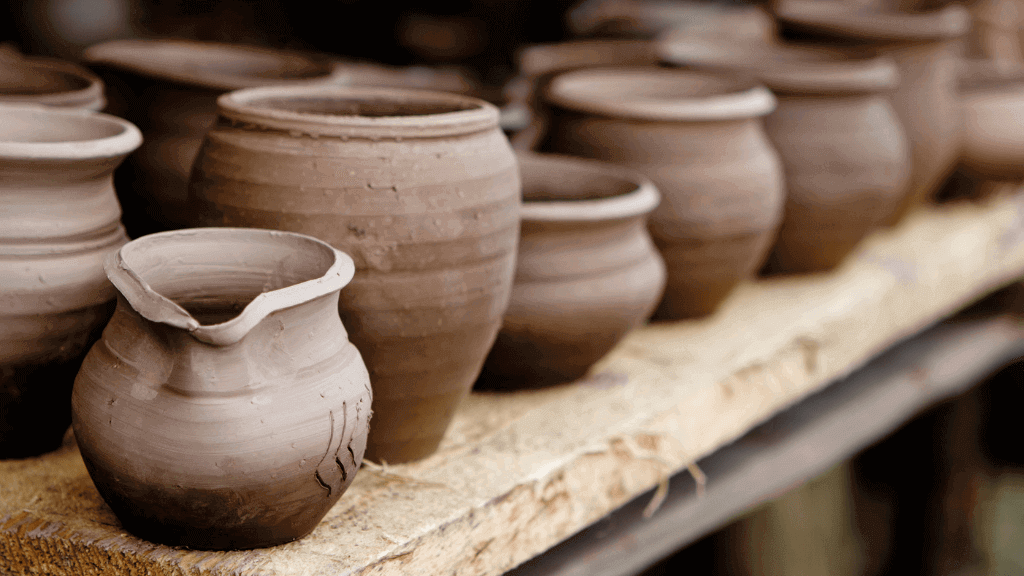
You can put a glaze-like finish on pottery without a kiln, but you cannot achieve a true ceramic glaze without one. Real glaze is glass that melts onto the clay surface at roughly 1,830–2,380°F (1,000–1,300°C). Only a kiln, or a kiln-like alternative such as raku or pit firing, gets that hot. No oven, torch, or heat gun comes anywhere close.
That said, there are good workarounds. Sealants, acrylic finishes, and alternative firing methods can all give unfired or low-fired clay a glossy, finished look. The catch: most of these finishes are decorative only, not food-safe and not fully waterproof. Below I’ll walk through every realistic option, what each one costs, and where each one falls short.
Why a Kiln Is Normally Required for Glaze
Ceramic glaze is mostly silica (glass former), alumina (stabilizer), flux (to lower the melting point), and colorants. None of that does anything until it melts. Low-fire glazes mature around cone 06–04, about 1,830–1,945°F (999–1,063°C). Mid-range stoneware glazes need cone 5–6, around 2,167–2,232°F (1,186–1,222°C).
For comparison, a home oven maxes out near 500–550°F (260–290°C). That is less than a quarter of the heat needed, which is why you can’t truly fire pottery in an oven. The glaze chemistry never even starts.
There’s a second problem: glaze is normally applied to bisque-fired clay. The bisque firing itself requires a kiln (or an alternative firing method), so “glazing without a kiln” really means solving two problems: hardening the clay and finishing the surface.
How to Glaze Pottery Without a Kiln: Your Real Options
Here’s how the realistic options compare.
| Method | Looks like real glaze? | Food-safe? | Waterproof? | Rough cost |
|---|---|---|---|---|
| Acrylic paint + clear sealant | Close (glossy) | No | Splash-resistant only | $10–$30 |
| Epoxy resin coating | Yes, very glossy | No (decorative) | Mostly | $20–$50 |
| Wax or shoe polish finish | Soft sheen | No | No | $5–$15 |
| Raku firing | Yes (true glaze) | No | No (crackled, porous) | $50–$300 setup |
| Pit firing | Smoke effects, no glaze | No | No | $0–$50 |
| Kiln-firing service | Yes (true glaze) | Yes | Yes | $3–$10 per piece |
Acrylic paint and sealant (easiest)
This is the most common route for air-dry clay and home projects. Let the piece dry fully (at least 24–72 hours for air-dry clay), then paint with acrylics and finish with two to three thin coats of a clear gloss varnish, polyurethane, or spray acrylic sealer. Let each coat dry 1–2 hours before the next.
The result can look surprisingly close to glaze. It will shed a splash of water but won’t survive soaking, scrubbing, or the dishwasher. Treat these pieces as decorative.
Epoxy resin (glossiest)
An epoxy or art resin poured or brushed over a sealed piece gives the deepest, wettest-looking shine of any non-fired option. It cures in 24–72 hours depending on the product. Resin scratches more easily than fired glaze and can yellow over years in direct sunlight, so keep resin-finished pieces out of windowsills.
Wax and polish finishes
Rubbing a burnished piece with clear paste wax or even neutral shoe polish gives a soft, leather-like sheen. This is a traditional finish for pit-fired and burnished work. It is the least durable option and needs reapplying over time, but it’s also the cheapest and most forgiving.
Raku firing (a true glaze, no electric kiln)
Raku is the closest you can get to genuine glaze without buying a conventional kiln. Pieces are heated to about 1,650–1,830°F (900–1,000°C) in a small propane-fired raku kiln, which you can build from a metal trash can lined with ceramic fiber. Then they’re pulled out glowing hot and placed in a container of combustibles like sawdust or newspaper. The reduction atmosphere creates crackle glazes and metallic flashes you can’t get any other way.
Two caveats. First, you still need bisque-fired pottery to start with. Second, raku pottery is not food-safe. The crackled glaze and porous body harbor bacteria and leak liquids. Raku is for decorative work only.
Pit firing (the oldest method)
Dig a pit, layer pottery with sawdust, wood, and combustibles, burn it for several hours, and let it cool overnight. Pit fires typically reach 1,400–1,800°F (760–980°C), hot enough to harden low-fire clay but generally not hot enough to melt true glaze. What you get instead are smoke patterns, carbon blacks, and flashes of color from materials like copper carbonate or banana peels packed around the pot. I cover this and other backyard methods in detail in my guide to firing pottery without a kiln.
Pit-fired pieces are more fragile than kiln-fired ones and remain porous, so they’re decorative too.
Can You Make Pottery Without a Kiln at All?
Yes. Plenty of people do pottery at home with no kiln. Your three paths:
- Air-dry clay. No firing at all. It hardens by evaporation over 24–72 hours, then gets painted and sealed. Good for hand-building and decor; too soft for functional ware. It also behaves differently on the wheel, so see my notes on using air-dry clay on a pottery wheel.
- Alternative firing. Pit firing, barrel firing, or a homemade raku setup, as above. Real fired ceramic, rustic results.
- Regular clay + someone else’s kiln. Make your pots at home, then pay to have them fired. This is the option I push beginners toward, because it’s the only one that produces durable, food-safe work.
If you’re weighing whether to eventually buy your own, my post on whether you need a kiln for pottery breaks down when renting kiln space stops making sense. Small used electric kilns often turn up for a few hundred dollars, while new ones run roughly $700–$3,000 depending on size. I break the numbers down in my guide to pottery kiln costs.
Can You Make Food-Safe Pottery Without a Kiln?
No — and this is the answer I’m firmest about. Food-safe pottery requires clay fired to maturity and a properly melted, stable glaze, both of which demand kiln temperatures. Every no-kiln finish fails at least one test:
- Acrylic sealants and resins are surface coatings that scratch, peel, and aren’t rated for repeated food contact, utensils, or hot liquids.
- Air-dry clay never vitrifies; it softens with moisture no matter what you coat it with.
- Pit-fired and raku ware stay porous and absorb whatever touches them.
If you want mugs, bowls, or plates you can eat from, make the piece at home and have it kiln-fired with a food-safe glaze. For what “food-safe” requires in practice, see how to tell if pottery is food safe.
The Middle Path: Glaze at Home, Fire Elsewhere
The setup I recommend most often is a hybrid. Buy commercial glazes, apply them at home by brushing, dipping, or pouring, and then bring the pieces to a firing service. Most areas have options:
- Local pottery studios often fire outside work for $3–$10 per piece or by the kiln shelf.
- Community centers and colleges with ceramics programs sometimes offer cheap firing.
- Paint-your-own-pottery shops will usually fire pieces glazed with their materials.
Ask what cone they fire to before you glaze. Your clay and glaze need to match their firing temperature, or you’ll end up with underfired, scratchy glaze or a melted mess. My walkthrough of glazing pottery at home covers application technique step by step, and if a piece comes out disappointing, you can often reglaze and refire it.
Safety Precautions for No-Kiln Methods
- Ventilation. Spray sealants, resins, and polyurethane all need outdoor or well-ventilated application. Wear a respirator with resin.
- Fire safety. Pit and raku firing belong well away from structures, on dirt or sand, with a hose ready. Check local burn regulations first. Wear heavy leather gloves and use long raku tongs for hot pieces.
- Thermal shock. Pieces going into a pit or raku fire must be bone dry and ideally pre-warmed; trapped moisture makes pots burst.
- Don’t fake food safety. Never sell or gift a sealed or alternative-fired piece as food-safe. Label decorative work as decorative.
FAQ
How do you glaze pottery at home without a kiln?
You can’t melt true glaze without kiln heat, so at home your options are glaze-like finishes: paint the dried piece with acrylics and seal with 2–3 coats of clear gloss varnish, or coat it with epoxy resin for a deeper shine. For real glaze, apply commercial glaze at home and pay a local studio to fire it.
Can you make pottery without a kiln?
Yes. Use air-dry clay (no firing needed), fire regular clay in a pit or barrel fire in your yard, or build a simple raku setup. For durable, functional ware, though, make pieces at home and have them fired at a studio or community kiln.
Can you make food-safe pottery without a kiln?
No. Food-safe pottery needs vitrified clay and a stable fired glaze, which require roughly 1,830°F (1,000°C) or hotter. Sealed air-dry clay, resin-coated pieces, and pit- or raku-fired ware are all decorative only.
What can I use instead of glaze on pottery?
Clear acrylic varnish, polyurethane, spray gloss sealer, epoxy resin, or paste wax over burnished clay. All give shine and some water resistance, but none survive the dishwasher, soaking, or food use.
Is glazing without a kiln cheaper than buying a kiln?
For a handful of pieces, yes. Sealants cost $10–$30 and studio firing runs a few dollars per pot. If you’re producing work every month, the math flips: paying per piece adds up fast, and a small used electric kiln can pay for itself within a year or two of steady use.