
How To Fix Crazing in Pottery
By Linda · · 9 min read
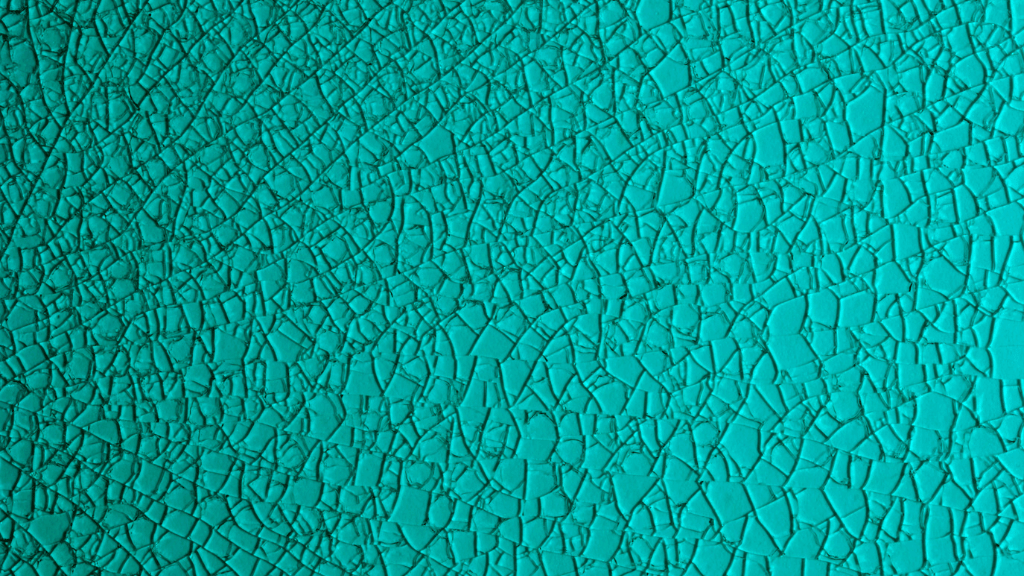
To fix crazing in pottery, you have to fix the mismatch between the glaze and the clay body underneath it. That means adjusting the glaze recipe to lower its thermal expansion, changing the clay body so it “fits” the glaze better, firing the work to full maturity, or refiring an already-crazed piece to heal the glaze surface.
Crazing on a finished pot can’t be sanded, painted, or sealed away in any lasting way. The cracks run through the entire thickness of the glaze. The real fix happens in the studio: in the recipe, the application, and the kiln.
What Is Crazing in Pottery?
Crazing is a network of fine, hairline cracks in the glaze surface of a ceramic piece. The cracks sit only in the glaze layer. The clay body underneath is usually intact, which is what separates crazing from a structural crack.
You’ll often hear it called “crackle” when it’s done on purpose. Raku and crackle glazes use deliberate, controlled crazing as decoration. The same physics, but invited rather than accidental.
The pattern usually shows up as a web of intersecting lines, sometimes so fine you only see them at an angle in good light. Rubbing a little ink or strong tea over the surface makes the network jump out instantly. That’s my standard test when I suspect a glaze is crazing but can’t quite see it.
Crazing can appear the moment a piece comes out of the kiln, weeks later, or even years later. Delayed crazing is common on older pieces and on earthenware that has absorbed moisture over time.
What Causes Crazing in Ceramics?
Crazing is a fit problem. As a glazed pot cools in the kiln, both the clay body and the glaze shrink. If the glaze shrinks more than the body it’s attached to, the glaze ends up stretched tight over the pot — under tension. Glass is weak under tension, so it relieves that stress the only way it can: by cracking.
The most common specific causes:
- Glaze with too high a thermal expansion. Recipes heavy in high-expansion fluxes like sodium and potassium feldspar are the usual culprits.
- Underfired ware. If the clay body doesn’t reach maturity, it stays porous and weak, and the glaze fit suffers. A body rated for cone 6 (around 2232°F / 1222°C) that’s only fired to cone 04 (around 1945°F / 1063°C) is a crazing candidate.
- Glaze applied too thickly. A thick glaze layer holds more tension than a thin one. Crazing often shows up first where glaze pooled.
- Moisture expansion. Porous, low-fired bodies slowly absorb water from the air and from use. The body swells slightly over months or years, the glaze doesn’t, and delayed crazing appears.
- Thermal shock. A pot pulled from a hot dishwasher onto a cold counter, or moved from oven to sink, can craze on the spot.
If your pieces are cracking through the body rather than just the glaze, that’s a different problem with different fixes. I cover that in why pottery cracks.
Crazing vs. Cracking: Know Which Problem You Have
| Crazing | Cracking | |
|---|---|---|
| Where it sits | Glaze layer only | Through the clay body |
| Appearance | Fine web of hairlines | One or a few distinct cracks |
| Sound test | Piece still rings when tapped | Dull thud or buzz when tapped |
| Structural risk | Low (piece holds together) | High (piece can fail or leak) |
| Fix | Glaze/body fit, refiring | Repair or repurpose the piece |
If you’ve got a true body crack, see my guides on fixing cracks in fired pottery and fixing broken pottery instead.
How to Fix Crazing: Adjust the Glaze
If you mix your own glazes, this is where most crazing gets solved. The goal is to lower the glaze’s coefficient of thermal expansion so it shrinks a little less than the body on cooling. Ideally the glaze ends up under slight compression, which makes the piece stronger.
Standard moves, in roughly the order I’d try them:
- Add silica. Increase silica in the recipe in increments of about 5%. Silica lowers expansion more reliably than almost anything else. Too much will stiffen the melt and dull the surface, so test as you go.
- Swap high-expansion fluxes for low-expansion ones. Reduce sodium and potassium (soda feldspar, nepheline syenite) and replace with calcium, magnesium, lithium, or zinc sources. Even a partial substitution can stop crazing.
- Add boron thoughtfully. Boron frits help the glaze melt at a lower temperature so you can afford more silica and alumina in the recipe.
- Increase alumina slightly. A small kaolin addition raises durability and tightens fit, at the cost of some gloss.
Change one variable at a time and run test tiles. Small bowls or cylinders beat flat tiles here, because crazing shows up more readily on curved forms with rims.
If you use commercial glazes, your levers are different: try a different glaze, apply it thinner, fire one cone hotter (if the glaze allows), or slow your cooling. Manufacturers formulate for “average” clay bodies, and yours may simply not match.
How to Fix Crazing: Adjust the Clay Body or Firing
Sometimes the glaze is fine and the body is the problem.
- Fire the body to maturity. This is the single most overlooked fix. An immature, porous body invites both immediate and delayed crazing. Check your clay’s rated cone and make sure your kiln is genuinely reaching it. Use witness cones, not just the controller readout.
- Add silica to the clay body. More free silica in the body raises its expansion, which closes the gap with a high-expansion glaze.
- Switch bodies. If you’re fighting constant crazing with a particular clay, a denser, higher-fired body may solve it outright. Stoneware fired to cone 6–10 (2232–2345°F / 1222–1285°C) crazes far less in use than earthenware fired to cone 06–04 (1828–1945°F / 998–1063°C), simply because it’s less porous.
- Slow the cooling. Fast cooling through the quartz inversion around 1063°F (573°C) stresses the glaze-body bond. Don’t crack the kiln lid early; let the kiln cool naturally to at least 200°F (93°C) before opening.
Glaze thickness matters too. Apply evenly, and thin rather than thick. A piece can also pick up shrinkage stress problems from the body itself, which ties into how much pottery shrinks when fired.
Can You Fix Pottery That Is Already Crazed?
Honestly: mostly no, with one real exception.
Refiring is the only genuine fix for an existing piece. Refire the pot to the glaze’s original maturing temperature and the glaze will re-melt and heal the craze lines. It works best when the original cause was thick application or a slightly underfired glaze. If the cause is a true expansion mismatch, the piece will often re-craze on cooling, sometimes within hours. Only refire work you made yourself or can identify the clay and glaze for; refiring unknown commercial or antique ware risks bloating, slumping, or shattering. More on the risks in can you fire pottery twice.
What doesn’t work:
- Sealants and oils temporarily hide the lines but wear off, and on functional ware they can trap moisture and food residue in the cracks.
- Sanding or buffing does nothing, because the cracks go all the way through the glaze.
- Painting over just puts a coating on top of a cracked surface; the pattern telegraphs through.
For a decorative piece, the better move is often acceptance. Crackle is a celebrated surface in raku and in plenty of historical ware. On antiques, crazing is often expected, and it doesn’t automatically hurt the price, as I explain in does crazing affect the value of pottery.
Is Crazed Pottery Safe to Use?
For decorative pieces, crazing is purely cosmetic. For functional ware, I treat it with caution:
- Craze lines can absorb liquids and harbor bacteria, which is why crazed mugs and bowls eventually develop stained, smelly cracks.
- A crazed glaze is meaningfully weaker than an uncrazed one, so crazed ware chips and breaks more easily, especially with dishwasher and microwave use.
- On low-fired earthenware, liquid penetrating the craze lines can soak into the porous body and weep through.
My rule: crazed pieces become pencil cups, planters, and display ware, not daily food dishes. If you’re unsure about a piece, run through the checks in how to tell if pottery is food safe.
Preventing Crazing Going Forward
Prevention is cheaper than every fix above. My working checklist:
- Match glaze and clay body. Buy glazes rated for your clay’s firing range, or test fit yourself.
- Fire to the body’s full maturity, verified with witness cones.
- Apply glaze evenly and on the thin side.
- Cool the kiln slowly; never open hot.
- Test new glaze/body combinations on small pieces with rims before committing a kiln load.
- Keep records: clay body, glaze recipe or brand, application method, cone reached, cooling time. When crazing shows up, your notes tell you what changed.
A simple stress test for new combinations: take a glazed test piece from a 300°F (149°C) oven and plunge it into cold water a few times. If the glaze fit is marginal, this will craze it now instead of in a customer’s kitchen later.
FAQ
What is crazing in pottery?
Crazing is a pattern of fine hairline cracks confined to the glaze layer of a ceramic piece. The clay body underneath stays intact. It can appear immediately after firing or develop slowly over months or years.
What causes crazing in ceramics?
Crazing happens when the glaze contracts more than the clay body during cooling, leaving the glaze under tension until it cracks. Common triggers are high-expansion glaze recipes, underfired clay, overly thick glaze application, moisture absorption in porous bodies, and thermal shock in use.
Can crazing in pottery be fixed after firing?
The only real fix is refiring the piece to the glaze’s maturing temperature so the glaze re-melts and heals. It works when the cause was thick application or underfiring, but a piece with a true glaze-body mismatch usually re-crazes. Sealants, sanding, and overpainting don’t last.
Is crazed pottery safe to eat from?
I don’t recommend it for regular use. Craze lines trap liquid and bacteria, weaken the glaze, and on porous low-fired ware can let moisture into the body. Keep crazed pieces for decorative or dry use.
Does crazing mean the pottery is bad quality?
Not necessarily. On functional studio ware it’s a glaze-fit defect worth correcting, but on raku, crackle-glazed, and many antique pieces it’s intentional or expected. Context decides whether it’s a flaw or a feature.
How do I stop my glazes from crazing?
Lower the glaze’s thermal expansion (add silica, swap sodium/potassium fluxes for calcium, magnesium, lithium, or zinc), fire the clay body to full maturity, apply glaze thinly and evenly, and cool the kiln slowly. Change one variable at a time and test on small pieces before a full firing.