
Can You Reglaze Pottery?
By Linda · · 7 min read
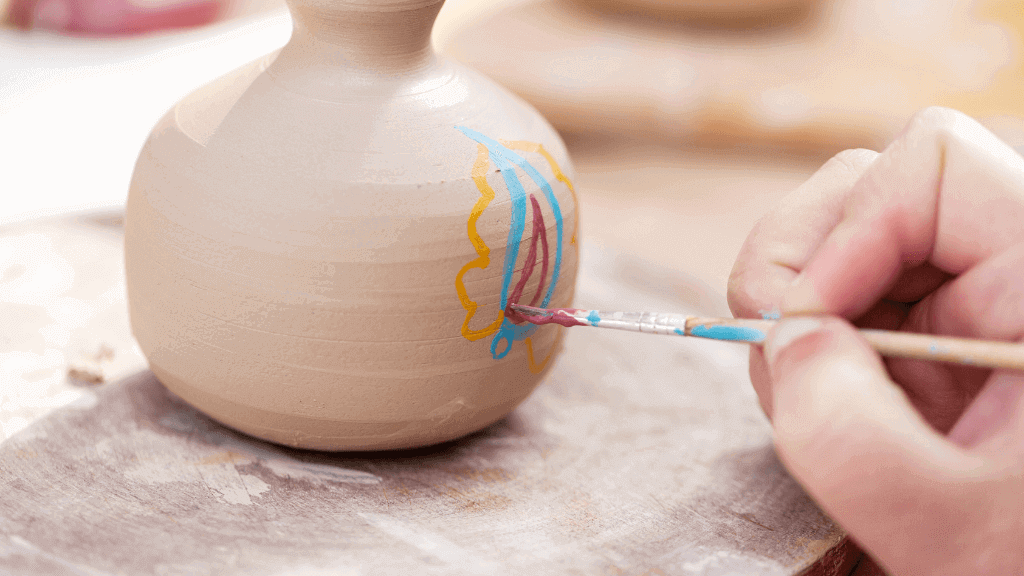
Yes, you can reglaze pottery. A piece that came out of the glaze firing patchy, underfired, or just plain ugly can be glazed again and refired, and most pieces survive the trip. The catch is that fired glaze is glassy and repels water-based glaze, so the new coat won’t stick unless you rough up the surface, heat the piece, or use a sticking agent like spray starch.
The other thing to know up front: every refire stresses the clay, so there’s always some risk of cracking or dunting (cracking from cooling stress). I’d call reglazing a rescue technique, not something to plan on doing routinely.
When reglazing makes sense (and when it doesn’t)
Reglazing is worth trying when:
- The glaze was underfired and looks dry, rough, or milky instead of melted.
- Coverage is patchy: bare spots, skips, or thin areas where the clay shows through.
- The color came out dull and you want to layer another glaze over it.
- Crawling left bare patches you want to fill in.
- You simply hate the result and the piece is otherwise sound.
Skip it when:
- The piece is already cracked. Refiring almost always makes cracks grow. If a crack is the real problem, look at how to fix cracks in fired pottery instead. Cold repairs are often the better route.
- The glaze ran badly or blistered from overfiring. Refiring an overfired glaze usually makes it run more, not less.
- It’s commercial dinnerware or a piece you didn’t fire yourself. If you don’t know the clay body and original firing temperature, you’re guessing, and a wrong guess can melt or shatter the piece in the kiln.
Why new glaze won’t stick to fired glaze
Raw glaze is mostly water carrying powdered glass. Bisqueware is porous, so it sucks that water in and the glaze powder sets on the surface. A glaze-fired pot is sealed glass. There’s nothing to absorb the water, so fresh glaze beads up, drips, and cracks off as it dries.
That’s the whole problem with reglazing, and every trick below is just a different way around it.
How to get glaze to stick to already-fired pottery
These are the methods I’ve used or seen used reliably, roughly in order of how well they work:
1. Heat the pot first. Warm the piece to around 300–400°F (150–200°C) in a kitchen oven or with a heat gun, then brush or spray glaze onto the hot surface. The water flashes off on contact and the glaze dries in place instead of running. Wear gloves — the pot stays hot.
2. Spray starch or hairspray. Mist the piece with spray starch (the laundry kind) or cheap hairspray, let it get tacky, then glaze. The sticky film gives the glaze something to grab. Two or three light glaze coats work better than one heavy one.
3. Add gum to the glaze. Mixing a little gum solution (CMC gum, sold at pottery suppliers) into your glaze makes it harden onto slick surfaces and brush on more evenly. A few drops per cup of glaze is plenty.
4. Rough up the surface. Sanding the fired glaze with coarse sandpaper or a diamond pad gives mechanical tooth for the new coat. It’s dusty work, so do it wet or wear a respirator. Glaze dust contains silica.
5. Spray application. If you have a spray gun and booth, spraying thin layers is the gentlest way to build up glaze on a non-porous surface without drips.
Whichever method you use, apply thinner coats than you would on bisque. Thick reglaze coats crack as they dry and crawl in the firing.
Refiring: temperature and kiln schedule
Refire to the same cone the glaze originally matured at. For most stoneware that’s cone 5–6, around 2167–2232°F (1186–1222°C), and for low-fire earthenware cone 06–04, around 1828–1945°F (998–1063°C). If you’re only adding a low-fire glaze accent over a stoneware glaze, you can refire lower, but the base glaze won’t re-melt at that temperature.
The dangerous parts are heating and cooling, not the peak. A glaze-fired pot has zero porosity and doesn’t like thermal shock, so:
- Fire slowly, no faster than about 200°F (110°C) per hour up to 500°F (260°C). After that you can speed up to your normal schedule.
- Let the kiln cool completely before opening. Cracking a hot kiln lid is the classic way to dunt a refired pot.
- Don’t refire a piece that’s been used for food and soaked up moisture without drying it thoroughly first; trapped water can spall the surface.
A typical reglaze cycle takes a full day: a few hours to prep and glaze, 8–12 hours firing, and overnight cooling. If you don’t own a kiln, most studios that offer kiln rental will refire a piece. See where you can fire your pottery for options. Expect community studios to charge by the piece or by shelf space, usually a few dollars for a mug-sized pot.
How many times can pottery be reglazed?
There’s no hard limit, but each firing cycle adds stress, and pieces accumulate risk. Two or three glaze firings on one pot is common and usually fine. Beyond that, the odds of cracking, glaze running, or surfaces going dry and matte from over-soaking climb fast. I covered the general refiring question in more detail in can you fire pottery twice. The short version is yes, with diminishing returns.
One more thing: more melted glaze means more movement. A second coat over an already-glossy glaze can run onto the kiln shelf. Wipe the bottom third clean or set the piece on a waste slab or stilts, and keep glaze well away from the foot. It’s the same logic as deciding whether to glaze the bottom of pottery in the first place.
Reglazing vs. painting over glaze
If the piece is decorative and won’t see food, you don’t need a kiln at all. Acrylic paint or enamel over the fired glaze is faster and risk-free. The tradeoff is durability and food safety.
| Reglaze and refire | Paint over glaze | |
|---|---|---|
| Kiln needed | Yes | No |
| Food safe | Yes, with food-safe glaze | No |
| Durability | Permanent, fused glass | Can scratch or peel |
| Risk to piece | Cracking/dunting possible | None |
| Time | A full day or more | An afternoon |
I wrote a separate guide on painting over glazed pottery if you want to go that route. And if you’re glazing at home for the first time, my walkthrough on how to glaze pottery at home covers application basics that apply to reglazing too.
What can go wrong
Be honest with yourself about the odds before you commit kiln space:
- Dunting: the piece cracks from thermal stress, usually on cooling. Slow ramps reduce but never eliminate this.
- Crawling: the new glaze pulls away from the slick fired surface, leaving bare patches. Usually it comes from applying too thick or onto a dusty surface.
- Running: double the glaze, double the melt. Protect your kiln shelves.
- Shivering or crazing: the new glaze layer may not fit the clay body’s expansion, so it flakes off in slivers (shivering) or develops a fine crack network (crazing).
- Color shifts: refired glazes often come out different, sometimes better, sometimes muddy. Treat the result as a surprise, not a guarantee.
My rule: if the piece would go in the trash otherwise, reglazing costs you nothing but kiln space. If the piece matters to you as-is, think twice.
FAQ
Can you reglaze pottery that has already been fired?
Yes. Glaze-fired pottery can take a new coat of glaze and a second glaze firing. Because the fired surface is non-porous, warm the piece first or use spray starch, hairspray, or gum solution to help the new glaze stick, then refire to the glaze’s normal cone.
Can I reglaze pottery at home without a kiln?
You can apply the glaze at home, but glaze only becomes glass in a kiln firing. There’s no oven or air-dry substitute for a true glaze surface. You can rent kiln space at a local studio, or for decorative pieces use paint instead. See my post on glazing pottery without a kiln for the realistic alternatives.
Can you reglaze store-bought ceramics or old dinnerware?
I don’t recommend it. You won’t know the clay body, original firing temperature, or whether the old glaze contains lead, so refiring is a gamble that can ruin the piece, foul your kiln shelf, or volatilize something you don’t want in your kiln. Reglaze your own work, where you know what went into it.
Will reglazed pottery still be food safe?
It can be, if you use a food-safe glaze fired to its full maturity and the surface comes out smooth and fully melted. Underfired or crazed reglaze surfaces can harbor bacteria and shouldn’t be used for food. Old glazes are another risk. If your glaze has been sitting for years, check whether pottery glaze expires before trusting it on functional ware.
How many times can you refire a glazed piece?
Most pieces tolerate two or three glaze firings. Each cycle adds thermal stress and more glaze melt, so cracking and running become more likely with every trip through the kiln. If a piece hasn’t come right after two refires, it’s usually time to let it go.