
Is Pottery Microwave Safe?
By Linda · · 7 min read
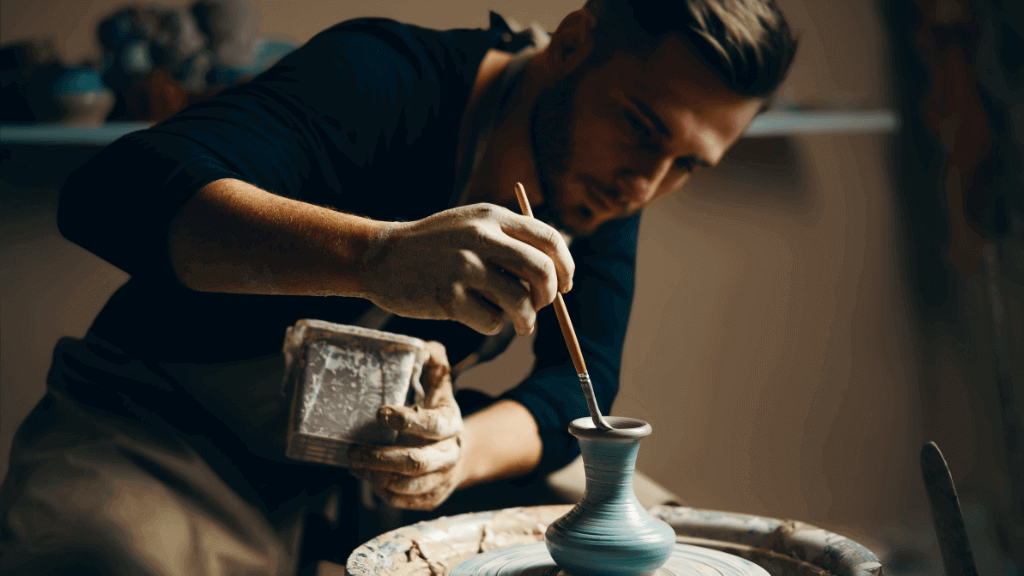
Most pottery is microwave safe as long as it is fully glazed, fired to maturity, and free of metallic decoration. Stoneware and porcelain handle the microwave well; unglazed or low-fired earthenware can absorb water, overheat, and crack.
The quick check: if the piece has a “microwave safe” mark, use it with confidence. If it doesn’t, run the one-minute water test I describe below before trusting it with your morning coffee.
How to Tell If Pottery Is Microwave Safe
Start by flipping the piece over. Commercial ceramics usually have one of these on the bottom:
- The words “microwave safe” or “microwave and dishwasher safe”
- A small icon of a microwave or a dish with wavy lines above it
- “Not for microwave use” (always believe this one)
Handmade pottery rarely carries a stamp, so you have to judge the piece itself. Ask yourself four questions:
- Is it glazed all over the surfaces that touch food and water?
- Does it ring with a clear tone when you tap it (a dull thud suggests porous, low-fired clay)?
- Is there any gold, silver, platinum, or metallic luster decoration?
- Are there cracks or crazing (a fine spiderweb pattern in the glaze)?
If it passes all four, it is very likely fine. And if you bought the piece from a potter, just ask. Any potter selling functional ware should know what their clay and glaze can handle. That same conversation is worth having about lead and food safety too; I cover what to ask in how to tell if pottery is food safe.
Is Ceramic Microwave Safe? It Depends on the Clay
“Ceramic” covers everything from a flowerpot to fine porcelain, and they do not behave the same way in a microwave. The deciding factor is how porous the fired clay is. Porous clay soaks up water, and that absorbed water heats violently in a microwave.
| Type | Typical firing temp | Porosity | Microwave verdict |
|---|---|---|---|
| Porcelain | Cone 10, ~2,345°F (1,285°C) | Near zero | Safe (no metallic trim) |
| Stoneware | Cone 5–10, ~2,167–2,345°F (1,186–1,285°C) | Very low | Safe when fully glazed |
| Earthenware | Cone 06–04, ~1,830–1,945°F (999–1,063°C) | High | Risky, use with caution |
| Raku | ~1,800°F (982°C), rapid-fired | Very high, crackled | Never |
| Unglazed/bisque | Varies | Very high | Never |
Stoneware and porcelain are fired hot enough that the clay vitrifies, turning glass-like and close to waterproof. That is why most everyday mugs and dinnerware are stoneware: they shrug off the microwave, and most handle the dishwasher too.
Earthenware never fully vitrifies. Even glazed earthenware can absorb water through an unglazed foot ring or a chip, and that trapped moisture turns to steam in the microwave. Best case, the piece gets scorching hot; worst case, it cracks.
Raku is a special case. The dramatic crackle finish is full of microscopic openings, and the porous body underneath drinks up water. Keep it decorative; I explain why in is raku pottery food safe.
Why Glazed Pottery Is Usually Fine and Unglazed Isn’t
A mature, well-fitted glaze is essentially a layer of glass sealed onto the clay. Glass is transparent to microwaves, so the energy passes through the dish and heats the food instead of the pot. That is exactly what you want.
Unglazed pottery has no seal. The clay absorbs water during washing or from the food itself, and microwaves heat that water inside the clay walls. The piece heats unevenly, expands unevenly, and can crack or even break apart. It is the same thermal shock that ruins pottery when you move it from freezer to oven. Unglazed ware has other problems in the kitchen as well, which I cover in is unglazed pottery food safe.
Watch for partially glazed pieces. A mug that is glazed inside but raw clay outside, or a bowl with a wide unglazed foot, can still wick up water through the bare clay. Treat those like unglazed ware unless they pass the water test.
Why Does My Mug Get Hotter Than My Coffee?
This is the most common microwave complaint I hear, and it is the clearest sign a piece is not microwave safe.
Microwave-safe pottery warms up gently from contact with the hot food, roughly at the same pace as the food itself. If the handle is too hot to hold after 60 seconds while the coffee inside is barely warm, the clay body is absorbing microwave energy directly — almost always because it is porous and holding moisture.
A piece that does this will keep doing it, and every cycle stresses the clay a little more. I retire those mugs to pen-holder duty. If you want the full rundown of what happens inside the kiln-versus-microwave question, I go deeper in can you microwave pottery.
Metallic Decoration: Never Microwave It
Gold rims, silver luster, platinum bands, and metallic glazes are real metal fired onto the surface. Metal reflects microwaves instead of letting them pass through, and the concentrated energy arcs. You will see sparks, and you can permanently scorch the decoration, damage the magnetron, or start a fire.
The eyeball test works here: if any part of the piece shines like metal rather than glossy glass, keep it out of the microwave. No water test needed; the answer is no.
The One-Minute Water Test
When a piece has no label and you are not sure, this simple test settles it. Do not use it on anything with metallic decoration.
- Fill a microwave-safe glass cup with about 1/2 cup (120 ml) of water.
- Place the cup next to or inside the pottery you are testing. Set it on a plate, or stand it inside a mug or bowl. The water cup absorbs the energy so an unsafe dish doesn’t cook empty.
- Microwave on high for one minute.
- Carefully feel both. If the water is hot and the pottery is only slightly warm, the piece is microwave safe. If the pottery is hotter than the water, especially in patches, it is not.
Use a towel or oven mitt when you check; a porous piece can be genuinely scorching after one minute.
Cracks, Crazing, and Old Pottery
Even pottery that started life microwave safe can stop being safe:
- Crazing (fine cracks in the glaze) lets water reach the clay body, so a crazed mug can start overheating even though it never did before.
- Chips and hairline cracks are weak points. Steam pressure and uneven heating concentrate stress there, and the microwave is often where a hairline crack finally lets go.
- Repaired pieces are out. Most ceramic glues are not heat-stable, and some repairs (like gold kintsugi) contain metal.
Temperature swings are the underlying enemy. Pottery that goes straight from a cold cupboard (or worse, the fridge) into the microwave takes more thermal stress than pottery starting at room temperature. The same physics applies outdoors, where freezing weather can crack pottery too.
My Rules for Microwaving Pottery
After years of making and using handmade ware daily, this is what I do:
- Heat in short bursts of 60 to 90 seconds rather than five minutes straight, and stir between bursts.
- Never microwave a piece empty. With nothing to absorb the energy, even good pottery can overheat.
- Let refrigerated dishes sit on the counter a few minutes before microwaving.
- Retire anything that comes out hotter than the food, no exceptions.
- When in doubt, leave it out. Reheating in a different dish costs you nothing; replacing a favorite handmade mug does.
FAQ
Is ceramic microwave safe?
Most ceramic is microwave safe if it is fully glazed, has no metallic decoration, and is fired to a non-porous state, which covers most commercial stoneware and porcelain dinnerware. Porous ceramics like earthenware, raku, and anything unglazed are not reliably safe.
Are pottery mugs microwave safe?
Usually, yes. Stoneware and porcelain mugs with an all-over glaze and no metallic trim handle microwaves well. Check the bottom for a “microwave safe” mark, and if there isn’t one, run the one-minute water test before regular use.
Can glazed pottery be microwaved?
Glaze alone isn’t a guarantee, but fully glazed stoneware or porcelain almost always can be. The exceptions are glazed earthenware (the clay underneath is still porous), crazed or cracked glazes, and metallic or luster glazes.
Is handmade pottery microwave safe?
Often, but verify it. Ask the potter what clay and firing temperature they used. Stoneware fired to cone 5 or higher is generally microwave safe. If you can’t ask, test the piece with the water method before trusting it.
Why does my pottery get hot in the microwave but the food stays cold?
The clay body is absorbing microwave energy directly, almost always because it is porous and holding moisture. That piece is not microwave safe, and repeated use will eventually crack it. Stop microwaving it.
Does microwave safe mean oven safe?
No. The two ratings test different things. Microwaves heat absorbed water, while ovens heat the whole piece and stress it through temperature change. Some pottery is both, some is neither; see my guide on whether Polish pottery can go in the oven for how oven use differs.