
Does Pottery Make Your Hands Rough?
By Linda · · 8 min read
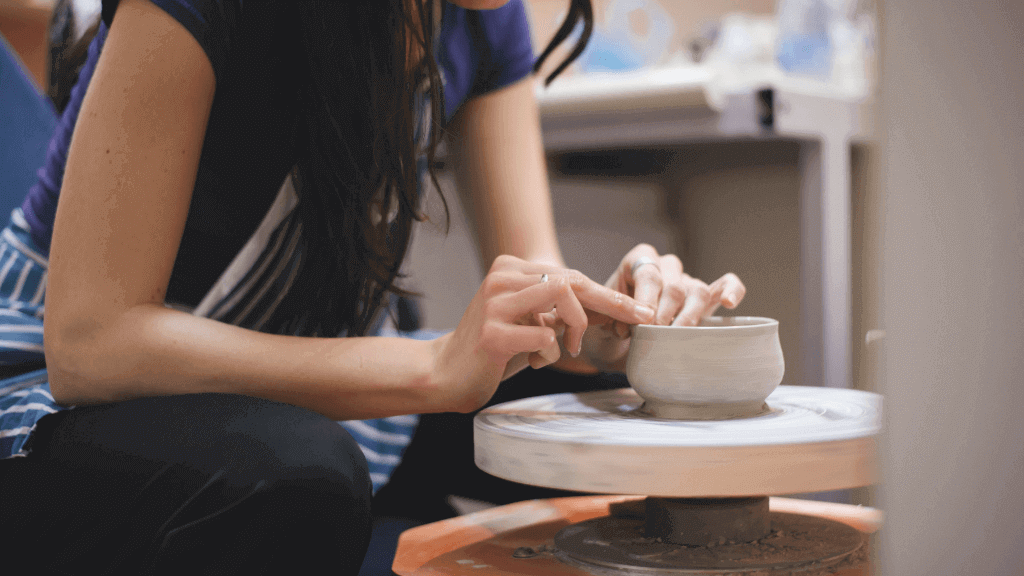
Yes, pottery makes your hands rough if you don’t take care of them. Clay pulls moisture out of your skin, throwing water washes away your natural oils, and gritty clay bodies physically abrade your fingertips. After a long session your hands can feel tight, chalky, and dry, and over months of regular work you’ll build light calluses on your fingertips and palms.
The good news: rough hands are preventable, not inevitable. A simple routine (rinse, dry, moisturize after every session) keeps most potters’ hands in fine shape. I’ll walk you through what works below.
Why Clay Dries Out Your Skin
Clay is hygroscopic, which is a fancy way of saying it soaks up water from anything it touches, including your skin. Every minute your hands are buried in a ball of clay, the clay is borrowing moisture from you.
Three things gang up on your hands during a pottery session:
- Moisture loss. Clay and slip wick water and natural oils out of your skin, leaving it tight and flaky.
- Abrasion. Stoneware clays with grog (fired clay particles added for strength) act like fine sandpaper on your fingertips, especially when throwing.
- Repeated wet-dry cycles. Dunking your hands in throwing water, then letting them air-dry coated in slip, over and over, is harder on skin than either wet or dry work alone.
Throwing water also tends to be slightly alkaline, particularly in reclaim buckets, which strips skin oils faster than plain tap water. If your hands sting in the studio sink, that’s why.
How Fast Does It Happen?
You’ll feel the tightness after a single one- to two-hour throwing session — that chalky, dry feeling when the slip dries on the backs of your hands. It’s temporary and fixes itself with a wash and some lotion.
Real roughness (cracked fingertips, calluses, splits at the corners of your nails) takes weeks to months of regular work with no hand care. Potters who throw daily and never moisturize are the ones with leather hands. Hobbyists who work a few hours a week and lotion up afterward usually notice almost no change.
Winter is the worst season. Cold dry air plus clay plus frequent hand-washing is the recipe for cracked knuckles, so double your aftercare from late fall through early spring.
My Hand-Care Routine That Works
Here’s what I do, and what I tell every student who complains about dry hands:
- Before the session: rub a thin layer of plain lotion or a barrier cream into your hands and let it absorb for five minutes before touching clay. It slows moisture loss without making your grip slippery.
- During the session: don’t let slip dry and cake on your hands repeatedly. Rinse it off when you take breaks instead of letting it crack off.
- Add a splash of glycerin or a teaspoon of olive oil to your throwing water. It’s an old potter’s trick, and it cuts the drying effect noticeably.
- Right after: wash with lukewarm water and a mild soap (not the gritty mechanic’s stuff), pat dry completely, and apply a heavy moisturizer while your skin is still slightly damp.
- At night, if your hands are bad: slather on a thick balm and sleep in cotton gloves. Two or three nights of this rescues even badly cracked fingertips.
Stretch your hands, wrists, and forearms after long sessions too. Wedging and throwing are repetitive work, and a minute of stretching does more for long-term hand health than any cream.
Which Moisturizers Work Best for Potters
You don’t need anything exotic, but the texture matters. Light daytime lotions disappear in minutes; potters need heavier occlusive products that lock moisture in.
| Product type | Examples | Best for | When to use |
|---|---|---|---|
| Thick balm/salve | Bag Balm, lanolin balms, O’Keeffe’s-style working-hands creams | Cracked fingertips, split knuckles | After sessions and overnight |
| Heavy cream | Shea butter creams, urea creams | Routine daily care | After every wash |
| Barrier cream | Glycerin-based “invisible glove” creams | Protection during work | Before the session |
| Plain oil | Olive, coconut, jojoba | Budget option, throwing-water additive | Anytime |
Expect to spend roughly $5 to $15 for any of these at a pharmacy or grocery store. Skip heavily fragranced lotions. Perfume on broken or irritated skin stings.
One timing rule: moisturize after clay work, not heavily right before throwing, or your hands will slide around and you’ll struggle to center.
Does the Type of Clay Matter?
A lot. Smooth porcelain and fine ball-clay bodies are gentle on skin but very thirsty. They dry your hands fast without scratching them. Heavily grogged stoneware and sculpture bodies are the opposite: less drying per minute, but the grog sands your fingertips down, and throwing a coarse clay for hours will leave fingertips visibly polished and tender.
If rough hands are a real problem for you, choose a smooth, plastic mid-range stoneware for throwing and save the groggy bodies for handbuilding, where your hands take far less friction. Handbuilding in general (slabs, coils, pinch pots) is much easier on skin than wheel throwing, which is worth knowing if you’re just getting into pottery and have sensitive hands.
Can You Just Wear Gloves?
Sometimes. Thin nitrile gloves work fine for glazing, handling stains and oxides, and recycling clay. I’d argue you should wear them for glaze work anyway. For throwing, most potters find gloves kill the feel of the clay, though tight-fitting nitrile is workable if your skin is cracked or you have eczema. I cover the trade-offs in detail in can you do pottery with gloves.
Nails take a beating too. Clay packs underneath them and wheel work pressures the tips. If you’re attached to your manicure, read can you do pottery with long nails before your first class.
When Rough Hands Are a Warning Sign
Ordinary dryness is harmless. But watch for these:
- Cracks that won’t heal or bleed. Open skin in a shared studio is an infection risk and makes every session painful. Take a few days off and treat aggressively with balm and overnight gloves.
- Red, itchy, blistered patches. That can be irritant contact dermatitis, and a few people react to specific glaze materials or moldy reclaim. See a doctor if it persists; gloves usually solve it.
- Existing eczema or psoriasis. Clay work can flare both. Barrier cream before, gloves where possible, and heavy moisturizer after are non-negotiable.
While we’re on health: dry hands are the least of pottery’s hazards. Dry clay dust contains silica, which is dangerous to breathe over years of exposure, so clean with water (sponge and mop, never dry sweeping), and wear a properly fitted respirator when mixing dry clay or glazes. Wash hands before eating, and keep food out of the studio. Some glaze materials contain heavy metals you don’t want on a sandwich. If you’re setting up at home, build these habits in from day one; my guide to learning pottery at home covers safe home-studio setup.
The Upside of Potter’s Hands
It’s not all bad news. The light calluses you develop protect you. After a few months, coarse clay and hot bisqueware bother you far less. Many potters also find the warm, resistive work of wedging and throwing soothes stiff, arthritic hands; plenty of people take up clay partly for that reason.
And working with your hands daily makes you pay attention to them. Most longtime potters I know have better hand-care habits than the general public, simply because cracked fingertips put you out of commission. You learn fast.
One more habit worth building: don’t rush your pots or your hands. Just as pottery takes days to dry properly before firing, skin needs consistent care over days to recover. One application of lotion after a month of neglect won’t do it.
FAQ
Does pottery ruin your hands?
No. Pottery dries your skin and builds light calluses, but it doesn’t cause lasting damage if you moisturize after sessions and let cracks heal before throwing again. Potters who work daily for decades still have perfectly functional, healthy hands, just slightly tougher ones.
How do potters keep their hands soft?
A consistent routine: barrier cream or lotion before the session, a splash of glycerin or olive oil in the throwing water, a lukewarm wash with mild soap afterward, and a thick balm applied while the skin is still damp. For badly dried hands, heavy balm under cotton gloves overnight works in two to three nights.
Is clay bad for your skin?
Wet pottery clay is not toxic to touch and is safe for almost everyone. It’s drying, not harmful. The exceptions are people with eczema or contact-dermatitis sensitivities, who may flare, and anyone handling dry clay or glaze powders, where the real risk is inhaling silica dust rather than skin contact.
Does throwing on the wheel hurt your fingernails?
It wears them down. Clay packs under the nails, grog abrades the tips, and constant water softens them, so most potters keep nails short. Long or acrylic nails make centering harder and tend to gouge the clay.
Can I do pottery if I have eczema on my hands?
Usually yes, with precautions: thin nitrile gloves for glazing and reclaim work, barrier cream before touching clay, fragrance-free heavy moisturizer afterward, and breaks during flares. Handbuilding is gentler on compromised skin than wheel throwing. Ask your doctor if your eczema is severe.
Should I moisturize before or after pottery?
Both, but differently. Before: a thin layer of fast-absorbing lotion or barrier cream, fully rubbed in at least five minutes before you touch clay so your grip isn’t slippery. After: the heavy stuff, thick cream or balm on damp skin to lock moisture in. The after-session application matters most.