
Can You Do Pottery With Gloves?
By Linda · · 7 min read
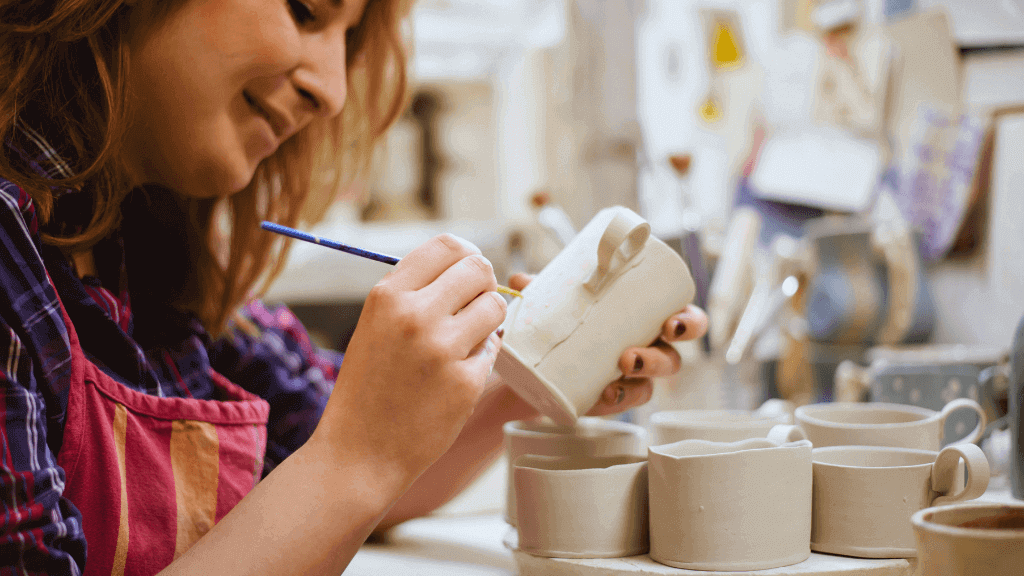
Yes, you can do pottery with gloves, but the type matters a lot. Thin, snug nitrile gloves work for throwing and handbuilding because they let you feel the clay; loose latex, vinyl, or cotton gloves don’t, and they’ll fight you the whole time. Most potters work bare-handed at the wheel and save gloves for the jobs where they genuinely earn their keep: mixing glazes, handling raw glaze materials, cleaning, and unloading a hot kiln.
So the honest answer is: gloves are optional for the clay itself and close to mandatory for glaze chemistry. Below is how I sort it out in my own studio.
When Gloves Make Sense in Pottery
Clay itself is not dangerous to touch. It’s the drying effect, the constant water exposure, and certain glaze ingredients that cause problems. Here’s where I reach for gloves:
- Mixing glazes from dry powder. Many raw materials (some colorants, frits, and oxides) shouldn’t sit on your skin. Nitrile gloves plus a properly rated respirator are non-negotiable here.
- Dipping and handling wet glaze. Especially if you have cuts, hangnails, or cracked skin.
- Eczema, dermatitis, or sensitive skin. If clay water leaves your hands raw and cracked, thin nitrile gloves let you keep working through a flare-up.
- Studio cleanup. Wiping tables, mopping, washing buckets. Gloves keep the constant wet-dry cycle from chewing up your skin.
- Unloading a kiln that’s still warm, or raku firing. This calls for purpose-made high-temperature kiln gloves, not kitchen oven mitts.
Where I skip gloves: wedging, throwing, and most handbuilding. The feedback through your fingertips is how you read the clay’s moisture and thickness, and even a thin glove dulls that.
What Type of Gloves Are Best for Pottery?
Nitrile is the workhorse. It fits tight, transmits feel better than anything else, stands up to glaze chemicals, and doesn’t trigger latex allergies. Buy them slightly snug. A baggy fingertip on a glove is useless at the wheel.
| Glove Type | Best For | Avoid For | Rough Cost |
|---|---|---|---|
| Nitrile (disposable, 4–8 mil) | Glazing, throwing with skin issues, cleanup | Hot kiln work | $8–$20 per box of 100 |
| Latex (disposable) | Glazing, cleanup (if no allergy) | Anyone with latex sensitivity | $7–$15 per box of 100 |
| Reusable rubber/household | Mixing glazes, heavy cleanup | Throwing (far too thick) | $5–$15 per pair |
| Cotton handling gloves | Moving bone-dry ware, inspection | Anything wet (they soak through) | $1–$3 per pair |
| Kiln/raku gloves (leather or aramid) | Unloading warm kilns, raku pulls | Everyday clay work | $20–$60 per pair |
One pair of each reusable type plus a box of nitriles covers a home studio for well under $100, and the nitriles last months if you only glove up for glazing. If you’re putting together a starter setup, my guide on how to start pottery at home covers the rest of the basic kit.
Can You Throw on the Wheel With Gloves?
You can, and some potters with skin conditions do it every session. Use the thinnest nitrile glove you can find, sized snug, and expect a learning curve of a few sessions while your hands recalibrate.
What changes with gloves on:
- Less moisture feedback. You’ll tend to over-water the clay because you can’t feel it getting slippery. Use less water than feels natural.
- Slightly more drag on dry spots. Keep the surface lubricated or the glove will grab and torque the wall.
- Shorter glove life than you’d think. Grit in the clay abrades fingertips; a pair usually survives one or two throwing sessions.
If your reason for wanting gloves is long fingernails rather than skin trouble, gloves only partly help. I cover better workarounds in can you do pottery with long nails.
Do Gloves Affect the Clay Itself?
No. Gloves don’t change the clay’s quality, plasticity, or how it fires. The only real effects are on you: reduced touch sensitivity and a slightly different grip. A few practical notes:
- Powder-free nitrile is the safe default. Powdered gloves can leave residue on bisqueware as you handle it before glazing, which occasionally causes glaze crawling on the surface. Minor, but avoidable.
- Textured fingertips give better grip on slippery glazed pots when you’re loading the kiln.
- Don’t trim or carve detailed work in gloves; you lose the precision exactly where you need it most.
Protecting Your Hands Without Gloves
For most potters the better long-term play is barrier care rather than full-time gloves, because clay genuinely does dry your skin out (I wrote about why in does pottery make your hands rough). My routine:
- Before a session: rub in a thin layer of barrier cream or plain lanolin-based hand cream and let it absorb fully. It slows the clay water from leaching oils out of your skin.
- During: rinse and dry your hands at breaks instead of letting slip dry and crack on your skin.
- After: wash with lukewarm water and mild soap, dry well, then apply a heavier cream. A thick layer before bed does more healing than anything you do during the day.
- Weekly: check for hangnails and small cracks. Those are the entry points that make glazing without gloves a bad idea.
In winter, when studio water is cold and skin cracks easily, I’ll wear nitriles for cleanup even though I never bother in summer.
Glove Safety Rules I Follow in the Studio
Gloves are one piece of studio safety, not the whole picture:
- Always glove up for dry glaze materials, and pair gloves with a NIOSH-rated respirator when mixing powders. Silica dust is the real long-term hazard in a pottery studio, and gloves do nothing about your lungs.
- Wear eye protection and gloves when grinding kiln shelves or fired glaze drips.
- Wash your hands after removing gloves, every time. Glaze residue migrates to the cuff and wrist when you peel them off.
- Never handle a hot kiln with rubber or nitrile — they melt. A bisque kiln reaches around cone 04 (1,945°F / 1,063°C) and a glaze firing commonly hits cone 6 (2,232°F / 1,222°C); even hours later, ware can be hot enough to burn. Use proper kiln gloves and patience.
- Replace torn gloves immediately. A pinhole in a nitrile glove during glaze mixing defeats the entire point.
If you’re setting up a home studio, these habits matter even more because nobody else is watching your back. My posts on can you make pottery at home and how to get into pottery walk through the safety setup alongside the fun parts.
FAQ
Can you do pottery with gloves on the whole time?
Yes, nothing stops you. People with severe eczema or clay sensitivity work fully gloved. Use thin, snug nitrile gloves, expect a few sessions to adjust your feel for moisture, and budget for going through gloves quickly since gritty clay wears out fingertips fast.
What gloves do potters really use?
Disposable nitrile gloves for glazing and cleanup, reusable rubber gloves for mixing glaze buckets, and leather or aramid kiln gloves for anything warm. Almost nobody wears gloves for everyday throwing and handbuilding because bare hands read the clay better.
Are nitrile or latex gloves better for pottery?
Nitrile. It resists glaze chemicals better, fits just as snugly, and avoids latex allergy problems, which matter in shared studios where you can’t know everyone’s sensitivities. The price difference is negligible.
Do I need gloves for air dry clay?
No. Air dry clay is non-toxic and there’s no glaze chemistry involved. Wear thin nitriles only if the clay dries your skin out or you have cuts that sting.
Can gloves prevent allergic reactions to clay or glazes?
Mostly, yes. True clay allergies are rare. Most “reactions” are dryness and irritation from water exposure, which gloves or barrier cream fix. Reactions to glaze materials are a real concern, and nitrile gloves are the standard protection whenever you handle wet or dry glazes.
Why do potters throw without gloves?
Feel. Judging wall thickness, moisture, and centering all happen through fingertip feedback, and even a 4-mil glove blunts it. Most potters accept dry hands and manage them with cream rather than give up that sensitivity. If you’re just starting out, learn bare-handed first, as I suggest in can I learn pottery at home.