
Can You Paint Pottery With Chalk Paint?
By Linda · · 8 min read
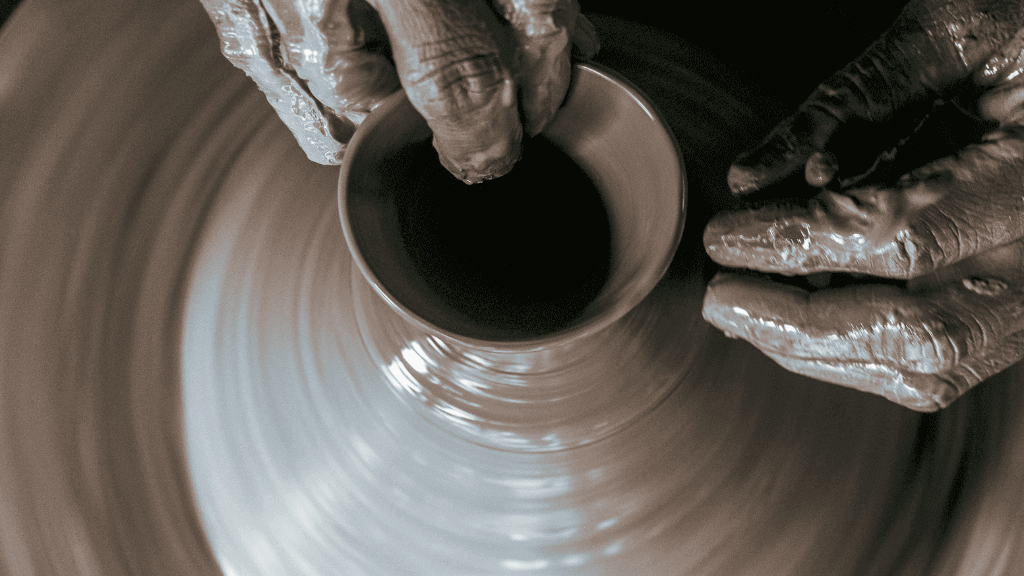
Yes, you can paint pottery with chalk paint, and it works beautifully on unglazed or bisque-fired pieces like terracotta pots, plain ceramic vases, and thrift-store finds. Chalk paint is self-priming and grips porous surfaces without sanding, which is exactly what bare pottery offers.
The two big caveats: chalk paint is decorative only (never use it on surfaces that touch food or drink), and it must be sealed with wax or a clear topcoat or it will scuff, chip, and water-spot. On shiny glazed ceramic you’ll also need to scuff the surface or use a bonding primer first, because chalk paint can’t bite into glass-smooth glaze the way it does into raw clay.
Does Chalk Paint Work on Ceramic?
Chalk paint on ceramic comes down to one question: is the surface porous or glazed?
- Unglazed pottery and terracotta is ideal. The clay body drinks in that first coat and the paint bonds well. Wipe off dust, let the piece dry fully, and paint.
- Bisque-fired ceramic (fired once, usually around cone 06, about 1,828°F / 998°C) is also excellent. Bisque is porous and slightly rough, which is the perfect tooth for chalk paint.
- Glazed ceramic is workable, but only with prep. Glaze is essentially a thin layer of glass, so paint sits on top rather than soaking in. Scuff the surface with 220-grit sandpaper, wipe it clean with rubbing alcohol, and apply a bonding primer before your first coat. I cover this in more detail in can you paint over glazed pottery.
If you skip the prep on a glazed mug or planter, the paint may look fine for a week and then peel off in sheets the first time it gets bumped or wet. I learned that the hard way on a glossy white planter. The paint slid right off the rim within a month.
How to Paint Pottery With Chalk Paint, Step by Step
- Clean the piece. Wash with warm soapy water, rinse, and let it dry completely. Give terracotta a full overnight; it holds moisture longer than you’d think. Damp clay under paint causes bubbling and flaking.
- Prep if glazed. Scuff-sand glossy surfaces, wipe with rubbing alcohol, and prime. Skip this step for bisque or raw terracotta.
- Stir, don’t shake. Chalk paint is thick; shaking adds air bubbles that leave pinholes on curved pottery.
- Apply a thin first coat. Use a synthetic-bristle brush for texture or a foam brush for a smoother finish. Thin coats level out better on rounded forms than one heavy coat.
- Let it dry 1 to 2 hours, then apply a second coat. Most pottery needs two coats; dark or red terracotta showing through a light color may need three.
- Distress if you want the farmhouse look. Once dry, lightly sand edges and raised details with 120 to 220 grit to let the clay or base color peek through.
- Seal it. Wait at least 24 hours, then wax or topcoat (details below).
Budget about a weekend for the whole project once you count drying and curing time. The materials are cheap. A small tin of chalk paint, a brush, and a tin of wax typically run $25 to $50 total and will cover many pots. If you’re comparing that to painting at a paint-your-own-pottery studio, see how much does it cost to paint pottery.
You can also make a DIY version: stir 2 to 3 tablespoons of baking soda (or unsanded grout, or calcium carbonate) into a cup of flat latex or acrylic paint until smooth. It won’t be quite as silky as a commercial chalk paint, but it adheres to bisque and terracotta just as well and costs a fraction of the price.
Sealing Chalk-Painted Pottery
Unsealed chalk paint has a chalky, powdery surface that marks if you so much as drag a fingernail across it. Sealing is not optional on pottery that will be handled or watered.
- Furniture wax is the classic finish. Buff on a thin layer with a lint-free cloth, let it haze for 15 to 30 minutes, then buff off. It deepens the color slightly and gives a soft sheen. Wax takes 2 to 4 weeks to fully cure, so handle the piece gently in the meantime.
- Water-based polyurethane or polycrylic gives better water resistance than wax, which matters for planters and vases. Two or three thin coats with a foam brush, and choose a matte version if you want to keep the chalky look.
- Clear spray topcoat is the fastest option and the easiest way to get an even film on curved or detailed pottery. Light coats, 20 to 30 minutes apart.
For planters, I also seal the inside of the pot with a waterproofing sealer or simply drop a plastic liner in. Terracotta wicks water straight through its walls, and moisture migrating from inside is the number-one reason chalk paint blisters and peels off painted pots.
Chalk Paint vs. Acrylic vs. Glaze on Pottery
| Chalk paint | Acrylic paint | Ceramic glaze | |
|---|---|---|---|
| Finish | Matte, velvety | Matte to gloss | Glassy, fired-on |
| Prep needed | Minimal on porous pottery | Light; sealer helps | Applied to bisque, then kiln-fired |
| Needs sealing | Yes, wax or topcoat | Yes, for durability | No, the firing is the seal |
| Food safe | No | No | Yes, if the glaze is food safe |
| Waterproof | Only with a good topcoat | Only with a good topcoat | Yes |
| Kiln required | No | No | Yes (glaze firings typically run cone 06 to 10, roughly 1,828 to 2,345°F / 998 to 1,285°C) |
| Best for | Decorative pots, vases, farmhouse and distressed looks | Detail work, bright colors, painted designs | Functional ware: mugs, bowls, plates |
If you want fine brushwork or bold color on a decorative piece, acrylic is often the better tool. I compare the two in can you use acrylic paint on pottery. If you want something you can eat or drink from, neither paint qualifies; that’s glaze territory and requires a kiln.
Durability: What Goes Wrong and How to Avoid It
Chalk paint is the least durable of the common pottery finishes, so set expectations accordingly.
- Chipping happens on rims, handles, and edges, anywhere the piece gets knocked. A polyurethane topcoat resists chips far better than wax alone.
- Water damage shows up as blistering or milky spots. Outdoor pots need an exterior-rated sealer, and even then expect to touch up every year or two. For pots that live outside year-round in a freeze-thaw climate, an exterior masonry or multi-surface paint will outlast chalk paint.
- Fading affects deep colors in direct sun. A UV-resistant spray topcoat slows it down.
- Peeling in sheets almost always traces back to skipped prep: paint over dust, over damp clay, or over unsanded glaze.
The good news is that touch-ups are trivial. Chalk paint blends into itself, so you can dab a chip with a small brush, re-wax that spot, and the repair disappears.
One more limitation: chalk paint is for finished, fired (or at least fully hardened) pottery, not for raw greenware that’s still drying. If you’re making your own pieces, wait until they’re bone dry or bisque fired; how long does pottery take to dry walks through that timeline.
Does Pottery Paint Come Out of Clothes?
Mostly yes, if you catch it wet. Chalk paint, acrylic pottery paint, and studio underglazes are all water-based, so a wet splatter usually rinses out with cold water and a bit of dish soap, then a normal wash.
Once it dries, it’s harder:
- Scrape off as much dried paint as you can with a dull knife or the edge of a spoon.
- Soak the spot in rubbing alcohol or an alcohol-based hand sanitizer for a few minutes. Alcohol re-softens dried acrylic and chalk paint binders.
- Work the stain with an old toothbrush, rinse with cold water, and repeat.
- Launder as usual, but air-dry until the stain is fully gone. A hot dryer sets whatever’s left permanently.
Glaze splatters behave a little differently than paint because glaze is mostly suspended minerals; raw glaze usually washes out of fabric easily. I’ve covered that separately in does pottery glaze stain clothes. Either way, my honest advice after years in the studio: wear an apron or dedicated “pottery clothes” and the question stops mattering. If you’re just setting up a home practice, how to start pottery at home covers the rest of the basic kit.
FAQ
Can you use chalk paint on glazed ceramic?
Yes, but not straight out of the tin. Scuff the glaze with 220-grit sandpaper, clean with rubbing alcohol, and apply a bonding primer first. Without that prep, the paint will peel off the glassy surface.
Does chalk paint stick to ceramic without sanding?
On porous surfaces (bisque, terracotta, unglazed stoneware), yes. Chalk paint is self-priming and needs no sanding there. Only shiny glazed ceramic needs scuffing first.
Is chalk-painted pottery food safe?
No. Chalk paint, wax, and clear topcoats are not rated for food or drink contact. Keep chalk paint on the outside of decorative pieces only; functional dinnerware needs a fired, food-safe glaze.
Can chalk-painted pots go outside?
Yes, if you seal them with an exterior-rated polyurethane or spray topcoat and seal the inside of the pot against water migration. Expect to refresh the finish every year or two; it won’t last like fired glaze.
Does pottery paint come out of clothes?
Usually. Wet water-based paint rinses out with cold water and dish soap. Dried paint takes more work: scrape the excess, soak with rubbing alcohol, scrub, rinse, and repeat before laundering. Avoid the dryer until the stain is gone.
How long does chalk paint take to dry on pottery?
Touch-dry in about an hour, recoatable in 1 to 2 hours, and ready for wax or topcoat after 24 hours. Full cure takes 2 to 4 weeks, especially under wax, so treat the piece gently at first.