
Can You Use Red Clay For Pottery?
By Linda · · 8 min read
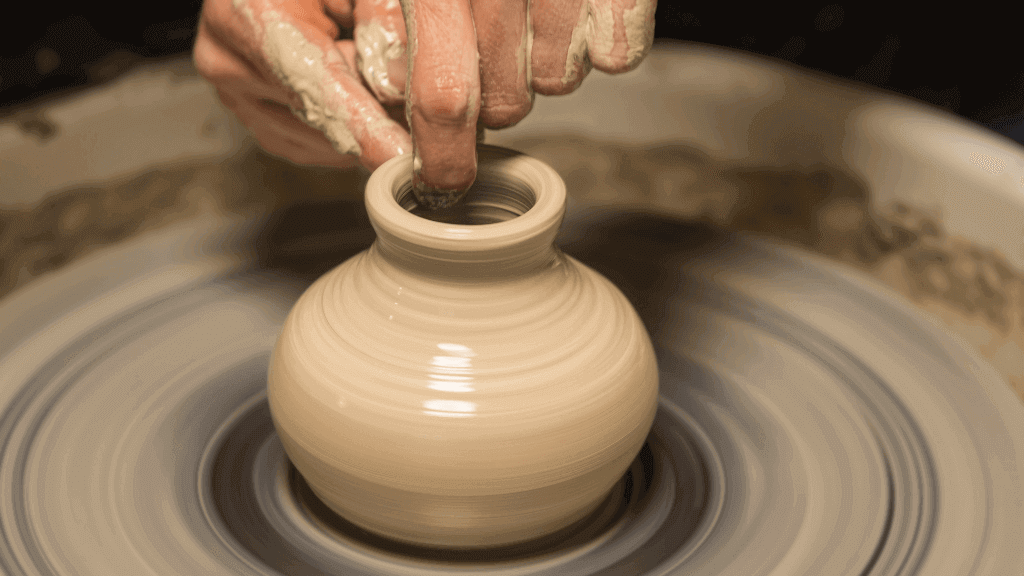
Yes, red clay makes wonderful pottery. It’s a low-fire earthenware clay, cheap and forgiving to work, which is why potters have used it for thousands of years to make everything from flower pots to dinnerware. Most commercial red clays fire between cone 06 and cone 04, roughly 1,828°F (998°C) to 1,945°F (1,063°C), and turn a warm brick-red to orange-brown thanks to their high iron content.
The trade-offs are real, though. Fired red earthenware stays porous unless glazed, it’s less durable than stoneware or porcelain, and most red clay bodies will slump or bloat if you fire them at high stoneware temperatures. Know those limits and red clay is one of the most rewarding materials you can work with.
What Exactly Is Red Clay?
Red clay is an iron-rich earthenware clay. The red color comes from iron oxide (rust, basically), which usually makes up 5–8% of the clay body. The more iron, the deeper the fired color.
In its raw, moist state, red clay often looks brown, gray-brown, or rust-colored. The bright terracotta red only develops in the kiln, when the iron oxidizes fully during firing. The same clay can fire orange, red, brown, or nearly black depending on temperature and kiln atmosphere.
Terracotta is just red earthenware fired without glaze. The classic flower-pot material. If you want a deeper look at how this clay family behaves, I cover it in my guide to earthenware pottery.
What Is Redware Pottery?
Redware is the traditional name for pottery made from red earthenware clay. In American history, redware was the everyday pottery of the colonial period: plates, jugs, crocks, and pie dishes thrown from local red clay and fired in small wood kilns. It was cheap to make because red clay was available almost everywhere, and it fired at temperatures simple kilns could reach.
Historic redware was typically coated with a clear lead glaze and decorated with slip trailing (lines of contrasting liquid clay) or sgraffito (designs scratched through a colored slip layer). Antique redware is now a popular collecting category, and you will see the terms “redware” and “red ware” used interchangeably.
Two warnings if you collect or use old redware:
- Antique redware glazes often contain lead, so treat old pieces as decorative only. Never serve food from them.
- Redware is soft compared to stoneware. It chips easily and the unglazed foot will absorb water, so do not soak antique pieces.
Modern potters still make redware in the traditional style using safe, lead-free glazes, so you can have the look without the hazard.
What Firing Temperature Does Red Clay Need?
This is where most beginners trip up. Red earthenware is a low-fire clay, and firing it like stoneware ruins it.
- Bisque firing: cone 06–04, about 1,828–1,945°F (998–1,063°C).
- Glaze firing: usually cone 06–04 as well, using low-fire glazes.
- Upper limit: most red clay bodies max out around cone 2–4. Check the bag; the manufacturer prints the cone range.
Push a typical red earthenware to cone 6 or beyond and the iron acts as a flux: the piece can warp, slump, bloat (blister from trapped gases), or in extreme cases melt onto your kiln shelf. There are mid-range red stoneware bodies rated to cone 6, but they are a different clay body, not ordinary red earthenware.
Here is how red clay compares with the other common pottery clays:
| Clay type | Typical firing range | Fired color | Porosity | Best for |
|---|---|---|---|---|
| Red earthenware | Cone 06–04 (1,828–1,945°F / 998–1,063°C) | Orange-red to brown | Porous (needs glaze to hold water) | Planters, decorative ware, traditional redware |
| Stoneware | Cone 5–10 (2,167–2,345°F / 1,186–1,285°C) | Buff, gray, brown | Vitrified, watertight | Functional dinnerware, mugs |
| Porcelain | Cone 6–10 (2,232–2,345°F / 1,222–1,285°C) | White, translucent | Fully vitrified | Fine tableware, delicate forms |
If you are still deciding which body suits your project, my comparison of what type of clay is used for pottery walks through all of these.
Working With Red Clay: What to Expect
Red clay is one of the friendliest clays to learn on. It’s plastic, throws easily on the wheel, and works well for handbuilding techniques like coiling, pinching, and slab construction.
A few practical notes from my own studio:
- It stains. Iron-rich clay leaves rusty marks on towels, aprons, and grout. Wear old clothes and rinse tools promptly. I cover cleanup tricks in does pottery clay stain clothes.
- It dries fast at the rim. Red earthenware bodies tend to dry quickly, so cover work in progress with plastic to keep rims from cracking.
- Slip decoration loves it. A white slip over red clay gives high contrast for sgraffito and slip trailing — the classic redware look.
- Low shrinkage. Earthenware shrinks less than porcelain, which means fewer drying cracks on large flat pieces like tiles and platters.
- Cost. Commercial red earthenware is among the cheapest clay you can buy, typically $15 to $30 for a 25 lb bag depending on supplier and shipping. See my tips on where to buy clay for pottery if you are stocking up.
Can You Use Red Clay Dug From Your Yard?
Often, yes. Natural red clay from the ground is frequently good pottery clay once you clean it up, and that is exactly what redware potters used historically. You will need to remove rocks, roots, and sand by slaking the dry clay in water, screening the slurry, and drying it back to a workable consistency.
Test a small piece first: roll a coil around your finger, and if it bends without cracking, the clay has decent plasticity. Then fire a small test tile before committing a whole pot to the kiln, because wild clay can contain lime particles (which cause lime pops) or low-melting impurities. I walk through the full process in can you use clay from the ground for pottery and the refining steps in how to make pottery clay.
Glazing and Food Safety With Red Clay
Fired red earthenware is porous, typically absorbing several percent of its weight in water. Unglazed terracotta will weep moisture, harbor bacteria in food use, and can crack if water freezes in its pores. For anything functional:
- Bisque fire to cone 06–04.
- Apply a low-fire glaze rated food safe by the manufacturer, covering all surfaces that touch food.
- Glaze fire to the temperature the glaze calls for (usually cone 06–04).
Match the glaze’s firing range to the clay’s range. A cone 6 glaze on cone 04 red clay will not mature, and a cone 04 glaze fired to cone 6 will run off the pot. Crazing (fine glaze cracks) is the most common defect on earthenware; it is mostly cosmetic on decorative ware but a hygiene concern on dinnerware. For more on when bare clay is acceptable, see is unglazed pottery food safe.
One more firing note: red clay is a popular choice for raku pottery because open, groggy earthenware bodies survive the thermal shock of being pulled red-hot from the kiln. But raku ware is never food safe.
Common Problems With Red Clay (and Fixes)
- Bloating or slumping: you overfired it. Stay within the cone range printed on the bag.
- Glaze crazing: the glaze fit is off. Try a glaze formulated for earthenware, or bisque slightly hotter.
- Pots weeping water: the clay is not vitrified, which is normal for earthenware. Glaze the interior, or seal planters if you want them watertight.
- White scummy patches after firing: soluble salts in the clay. A thin wash works off most of it; some potters add a touch of barium carbonate at the studio level, but for hobbyists, wiping pots with a damp sponge before firing helps.
- Lime pops (small craters weeks after firing): an issue with dug clay containing limestone bits. Screen wild clay through a fine mesh before use.
FAQ
Is red clay good for pottery?
Yes. Red clay is plastic, cheap, and easy to fire, which makes it a good fit for beginners, handbuilders, planters, tiles, and traditional slip-decorated ware. Its limits are porosity and low firing temperature. For rugged daily-use dinnerware, stoneware holds up better.
What is redware pottery?
Redware is pottery made from red earthenware clay, historically the everyday utilitarian pottery of colonial America and Europe. It was typically lead-glazed and decorated with slip or sgraffito. Antique redware should be considered decorative only because of the lead glazes.
What temperature do you fire red clay pottery?
Most red earthenware fires between cone 06 and cone 04, about 1,828–1,945°F (998–1,063°C), for both bisque and glaze firings. Always confirm the range on the manufacturer’s label, because overfiring causes bloating and slumping.
Why does red clay turn red when fired?
The iron oxide in the clay oxidizes during firing, shifting the raw brownish clay to brick red or orange. Higher temperatures and reduction atmospheres push the color toward dark brown or black.
Can you bake red pottery clay in a regular oven?
No. Kitchen ovens reach about 500°F (260°C), far below the 1,800°F+ (982°C+) needed to permanently harden real red clay. Oven drying just leaves fragile, unfired clay. I explain the details in can pottery clay be baked in a regular oven.
Is red clay pottery food safe?
Only if it is fully glazed with a food-safe, lead-free glaze fired to maturity. Unglazed red earthenware is porous and will absorb liquids and bacteria, so keep bare terracotta for planters and decorative pieces.