
Where To Buy Clay For Pottery?
By Linda · · 7 min read
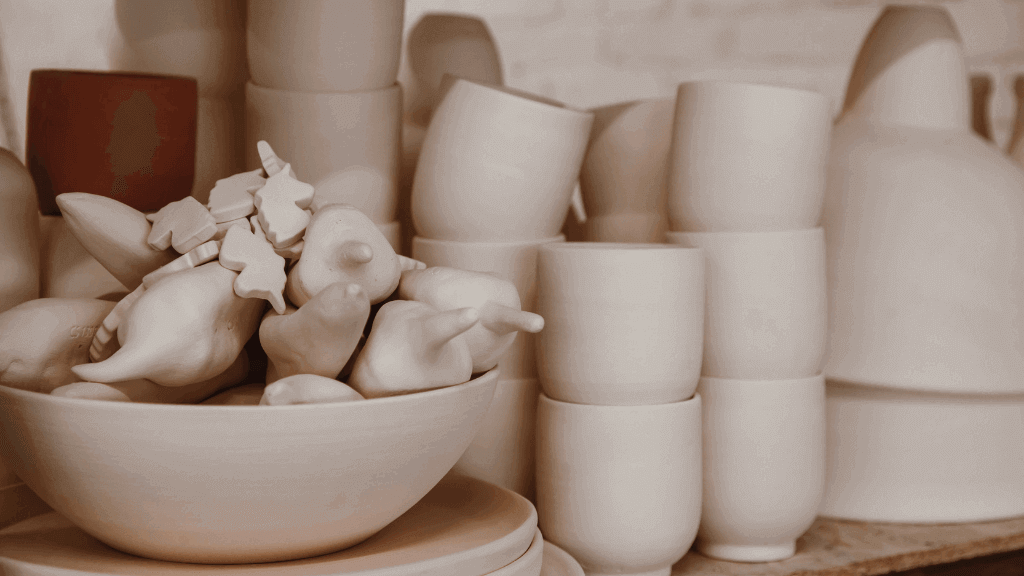
The best place to buy pottery clay is a local ceramic supply store. You avoid heavy shipping costs, you can see and squeeze the clay before buying, and the staff can match a clay body to your kiln. If there isn’t one near you, online ceramic suppliers like The Ceramic Shop, Sheffield Pottery, Blick Art Materials, and Soul Ceramics ship moist clay nationwide, and many community pottery studios will sell you a bag directly.
Expect to pay roughly $15–$30 for a standard 25 lb bag of moist clay, before shipping. If you just want a small amount to try, a beginner pottery kit from Amazon usually includes a few pounds of clay plus basic tools.
Local Ceramic Supply Stores (My First Choice)
Clay is heavy. A single bag weighs 25 lb (about 11 kg), so shipping can cost as much as the clay itself. That’s the single biggest reason I tell people to buy locally first.
Search for “ceramic supply” or “pottery supply” plus your city. Most mid-sized cities have at least one dedicated supplier, and they typically stock 10–30 clay bodies from brands like Standard, Laguna, Amaco, and Highwater.
Local suppliers also help in ways a website can’t:
- They know which clay bodies local studios fire to, so the staff can recommend something proven in your area.
- You can inspect the clay for firmness. A bag that’s been sitting for years may be hard and need wedging or rehydrating.
- Many sell reclaimed or “seconds” clay at a discount, which is fine for practice.
Buying Clay From a Pottery Studio or Class
If you’re taking classes, ask the studio. Most community studios sell clay at or near cost to students, and the price often includes firing fees. That’s a genuinely good deal, since kiln firings are the hidden expense most beginners forget about.
This route also solves the kiln problem. If you don’t own a kiln, buying studio clay means your pieces get fired in the same kiln the clay was chosen for, so there’s no guesswork about temperature compatibility. If you’re still deciding on equipment, my post on whether you need a kiln for pottery walks through the options.
Online Retailers That Sell Pottery Clay
When local isn’t an option, these are the online suppliers I see potters use again and again:
- The Ceramic Shop: wide selection of clay bodies, glazes, and tools. Ships moist clay in boxed bags.
- Sheffield Pottery: large catalog, including Standard and Sheffield’s own clay bodies.
- Blick Art Materials: good for Amaco clays and smaller quantities, with frequent sales.
- Soul Ceramics: carries clay alongside kilns and wheels, useful if you’re outfitting a home studio.
- Amazon: fine for small air-dry or low-fire clay quantities and beginner kits, but per-pound prices run higher than ceramic suppliers.
Order tip: clay ships best in cool weather. Moist clay that freezes in transit is still usable, but you’ll need to wedge it thoroughly once it thaws to redistribute the moisture.
Craft Stores: What They Do and Don’t Carry
Hobby Lobby, Michaels, and similar craft stores carry air-dry clay, polymer clay, and sometimes small boxes of low-fire earthenware. That’s enough for hand-building practice or kids’ projects.
What they generally don’t carry is kiln-ready stoneware or porcelain in studio quantities. If you plan to fire your work and eat off it, go to a real ceramic supplier. And be aware that air-dry and polymer clays never become food-safe or waterproof, no matter how they’re sealed. I cover the details in can pottery clay be baked in a regular oven.
Where To Buy Clay Compared
| Source | Typical price (25 lb) | Selection | Best for |
|---|---|---|---|
| Local ceramic supplier | $15–$30 | Wide, kiln-ready bodies | Most potters; no shipping cost |
| Pottery studio/class | $20–$40 (often incl. firing) | Limited to studio’s clay | Students without a kiln |
| Online ceramic supplier | $15–$30 + $15–$40 shipping | Widest | Rural areas, specialty clays |
| Craft store (Hobby Lobby, Michaels) | Small boxes only, ~$1–$3/lb | Air-dry, polymer, low-fire | Kids, practice, non-fired projects |
| Amazon | Varies, usually $2–$5/lb | Kits and small amounts | Trying pottery before committing |
For a deeper breakdown of pricing by clay type, see how much does pottery clay cost.
How To Choose the Right Clay Before You Buy
Where you buy matters less than what you buy. Before ordering, settle these three things:
1. Match the clay to your kiln temperature. Earthenware fires low, around cone 06–04 (1,830–1,940°F / 999–1,060°C). Stoneware fires mid to high, cone 5–10 (2,167–2,381°F / 1,186–1,305°C). Porcelain runs hotter still, traditionally cone 8–12, though cone 6 porcelain blends are easy to find now. Buying cone 10 clay for a kiln that tops out at cone 6 is a wasted bag. The clay will fire underdone and stay porous.
2. Match the clay to your project. Smooth clay suits wheel throwing and fine detail; grogged (gritty) clay holds up better for hand-building and large pieces because it shrinks and warps less. My guide to what type of clay is used for pottery compares the main clay bodies.
3. Match the clay to your skill level. Mid-fire stoneware is the standard beginner recommendation. It forgives sloppy technique, holds up in daily use, and nearly every supplier stocks it. Porcelain is beautiful but unforgiving, and it costs roughly twice as much — save it for later.
Common Mistakes When Buying Clay
- Buying clay rated for the wrong cone. Always check the cone range printed on the bag against your kiln or your studio’s firing schedule.
- Buying too little. One 25 lb bag sounds like a lot but disappears fast. For a beginner it makes roughly 15–25 mugs’ worth of throwing attempts, and much of that gets recycled.
- Buying too much of an untested clay. Try one bag before ordering 100 lb. Clay bodies handle very differently.
- Ignoring shipping costs online. Always get the shipped total before comparing prices; a “cheap” bag can double in cost.
- Letting clay dry out in storage. Properly sealed, moist clay keeps for years. See can pottery clay go bad for storage tips.
Cheaper Alternatives: Dig It or Make It
If budget is the issue, clay is literally underfoot in much of the world. Natural clay can be dug, cleaned, and tested for pottery use. It takes work, but it’s free. I explain the process in can you use clay from the ground for pottery and walk through processing it in how to make pottery clay.
Many suppliers also sell dry clay powder in 50 lb bags, which is cheaper per pound than moist clay and lighter to ship because you mix the water in yourself. It’s messy (wear a dust mask; dry clay dust contains silica), but it’s how a lot of production potters keep costs down.
FAQ
Where can I buy pottery clay near me?
Search for “ceramic supply store” plus your city, or call local pottery studios. Most sell clay to the public or can point you to their supplier. Craft stores like Hobby Lobby carry only air-dry and low-fire clay, so for kiln-ready stoneware you want a dedicated ceramic supplier.
How much does pottery clay cost?
Roughly $15–$30 for a 25 lb bag of moist stoneware or earthenware from a ceramic supplier. Porcelain runs higher, often $25–$50 per bag. Online, add $15–$40 in shipping because clay is heavy.
What clay should a beginner buy?
A mid-fire stoneware (cone 5–6) with a little grog. It’s forgiving on the wheel and in hand-building, durable when fired, and it’s the most common clay in community studios, so glazes and firing schedules are easy to match.
Can I buy pottery clay at Hobby Lobby or Michaels?
Yes, but mostly air-dry clay, polymer clay, and small boxes of low-fire clay. These work for practice and decorative projects, not for functional, food-safe pottery, which needs kiln-fired stoneware or porcelain from a ceramic supplier.
Is it cheaper to buy clay online or locally?
Locally, almost always. The bag prices are similar, but shipping 25 lb of moist clay can add $15–$40. Online only wins if you have no local supplier or need a specialty clay body nobody nearby stocks.
How much clay do I need to start?
One 25 lb bag is plenty for your first month or two. It’s enough for dozens of practice pieces, and failed attempts can be recycled and reused as long as the clay hasn’t been fired.