
Does Pottery Glaze Expire?
By Linda · · 7 min read
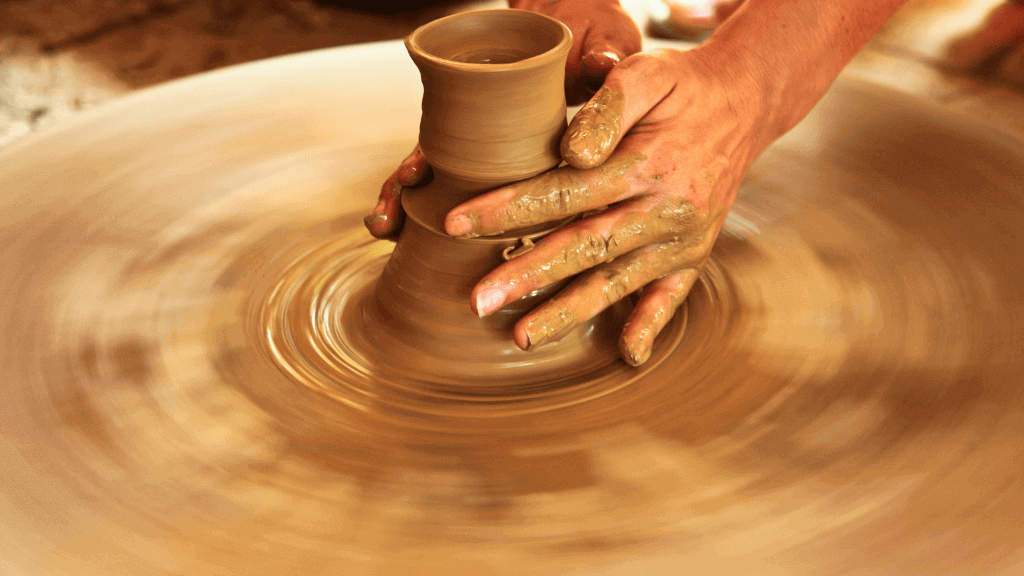
No, pottery glaze does not expire. Glaze is made of ground minerals (silica, feldspar, clay, and colorants) suspended in water, and minerals don’t go bad. A jar of glaze that has sat in your studio for five or ten years will still melt and fire exactly the same way it did the day you bought it, as long as the chemistry hasn’t been contaminated.
What does happen over time is physical: the solids settle into a hard layer at the bottom, the water evaporates, the brushing gums break down, and sometimes mold or bacteria grow in the liquid. Every one of those problems is fixable. In my experience, the only glaze worth throwing away is one that’s been contaminated with a different glaze or with debris you can’t sieve out.
Why Glaze Doesn’t Really Go Bad
It helps to understand what pottery glaze is: finely ground rock and mineral oxides mixed with water. When you fire it to temperature, those minerals melt into glass. For low-fire glazes that’s roughly 1,830°F (999°C) at cone 06; for mid-range, 2,232°F (1,222°C) at cone 6. The water is just a delivery vehicle; it burns off long before the glaze melts.
Because the fired result depends only on the mineral chemistry, an old glaze fires the same as a new one. The “shelf life” problems are all about the liquid state, not the glass it becomes.
The exceptions worth knowing:
- Brushing gums and binders (CMC gum, Veegum) in commercial bottled glazes do degrade. The glaze gets watery, drippy, or hard to brush evenly. It still fires fine, though.
- Frozen glaze can separate badly. Freezing breaks the suspension, and repeated freeze-thaw cycles turn some glazes grainy or curdled. Most can be rescued with vigorous remixing and sieving, but store glaze above freezing if you can.
- Cross-contamination is the one true killer. If another glaze, kiln wash, or plaster chips got into the bucket, the chemistry has changed and the results become unpredictable.
Signs Your Glaze Needs Attention (Not the Trash)
Here’s what old glaze typically looks like, and what each symptom means:
| Symptom | What it means | Fix |
|---|---|---|
| Hard layer at bottom of jar | Normal settling | Stir or stick-blend back in |
| Thick, sludgy consistency | Water evaporated | Add water a little at a time |
| Rotten-egg or sour smell | Bacteria in the water | Still usable; add a drop of bleach |
| Mold floating on top | Organic gums feeding mold | Skim, sieve, add a drop of bleach |
| Watery, won’t coat the pot | Brushing gum broke down | Add CMC gum solution or a commercial brushing medium |
| Crusty dried-out jar | Total evaporation | Rehydrate with water over a few days, sieve |
| Lumps that won’t blend | Contamination or hard-panned solids | Sieve through 80-mesh; discard if debris remains |
A bad smell is the one that worries people most, and it’s the least serious. The bacteria are eating the organic gums, not the glaze minerals. They burn out completely in the kiln. The smell is unpleasant, not dangerous to your fired pots.
How to Revive Old or Settled Glaze
This is my standard routine for any glaze that’s been sitting more than a few months:
- Stir from the bottom. Use a stiff spatula or stick blender to break up the settled layer. Hard-panned glaze can take 10–15 minutes of real effort, so don’t give up early.
- Check the consistency. Most dipping glazes should be like heavy cream. Brushing glazes should be a bit thicker, like yogurt. Add water in small splashes; you can always add more, but you can’t easily take it out.
- Sieve it. Pour the glaze through an 80-mesh sieve into a clean bucket. This catches lumps, dried skin, and debris. A decent sieve costs $15–$40 and lasts for years.
- Test fire it. Before glazing a piece you care about, brush or dip a small test tile and run it through your normal firing. Two minutes of work saves a ruined pot.
For completely dried-out glaze, cover the dry cake with water, let it slake for a day or two, then blend and sieve. Dry powdered glaze stored in a sealed bag lasts more or less forever. That’s how glaze materials are sold in the first place.
If a revived glaze still misbehaves on the pot (crawling, pinholing, running), the problem is usually application thickness, not age. I cover application technique in my guide to glazing pottery at home.
How Long Does Glaze Last? Realistic Shelf Life
- Dry glaze powder, sealed and dry: indefinite. Decades.
- Mixed studio glaze in a lidded bucket: indefinite chemically; expect to remix and occasionally re-water every few months.
- Commercial brush-on glaze, unopened: years. The gums slowly thicken but remain workable.
- Commercial brush-on glaze, opened: typically several years if the lid seals well. The first thing to go is brushability, not the fired result.
- Underglazes: same story. They’re mineral pigments and don’t expire, though they dry out faster in small jars.
Given that bottled glazes commonly run $8–$20 a pint and dry materials add up fast, reviving old glaze is real money saved. If you’re weighing whether to rescue a shelf of old jars or restock, my breakdown of pottery glaze costs will help you decide what’s worth the effort.
Storing Glaze So It Lasts
A few habits keep glaze in good shape for years:
- Seal it airtight. Evaporation is the main enemy. For buckets, a layer of plastic wrap under the lid improves the seal.
- Keep it above freezing. A frost-free corner of the studio, basement, or garage. Freeze-thaw cycles wreck the suspension.
- Label everything with the glaze name, cone, and date mixed. Mystery buckets are where good glaze goes to die.
- Never pour used glaze back into the main container if it might carry contamination from your workspace. Keep a “seconds” jar instead.
- Keep tools clean between glazes. One dirty brush can tint a whole jar of white glaze. And glaze on your sleeves is its own problem, as I explain in does pottery glaze stain clothes.
Safety: Is Old Glaze Dangerous?
Old glaze is no more dangerous than new glaze, but the same precautions always apply:
- Don’t eat, drink, or smoke around glaze, and wash your hands after glazing. Many glazes contain colorant oxides (cobalt, copper, chrome, manganese) you don’t want to ingest.
- Wear a respirator when mixing dry materials. Silica dust is the biggest long-term hazard in any pottery studio, and dried glaze that gets sanded or chipped creates the same dust.
- Mind lead glazes. Modern hobby glazes from major manufacturers are lead-free, but older jars from decades past and some imported traditional glazes may contain lead. If you have unlabeled vintage glaze, don’t use it on food surfaces. My guide on how to tell if pottery is food safe covers testing finished ware.
- Moldy or smelly glaze won’t hurt your pots, but skim and treat it so you’re not handling moldy liquid bare-handed.
If a questionable old glaze produced a finish you don’t trust on a finished piece, you can often fire over it. See can you reglaze pottery for how that works.
FAQ
Does glaze expire if it’s never been opened?
No. An unopened jar of glaze is shelf-stable for years, even decades. The minerals don’t degrade. At worst the contents settle or thicken, and a thorough shake or stir brings it back. Test fire a tile if the jar is very old, just to confirm the brushing consistency.
Can I use glaze that smells bad?
Yes. The smell comes from bacteria feeding on the organic brushing gums in the water, and they burn off completely in the firing. Add a drop or two of household bleach, stir well, and the smell fades. The fired result is unaffected.
Does dry powdered glaze expire?
No. Kept sealed and dry, powdered glaze and raw glaze materials last indefinitely. Moisture is the only real risk. A damp bag can clump or grow mold, but even then the material usually just needs to be dried or slaked into liquid glaze and sieved.
My glaze froze over the winter — is it ruined?
Usually not. Freezing breaks the suspension, so expect separation, graininess, or a curdled look. Stick-blend it thoroughly, sieve through 80-mesh, and test fire a tile. Most glazes recover fully; a few brushing glazes lose their smooth application and need fresh gum added.
How can I tell if old glaze will still fire correctly?
Test it. Mix the glaze well, apply it to a small bisque tile at your normal thickness, and fire it with your next load at the glaze’s rated cone. If the test tile looks right, the whole jar is fine. This is the only reliable check, and it’s the same one I’d use on a brand-new glaze.