
Where Can I Fire My Pottery?
By Linda · · 8 min read
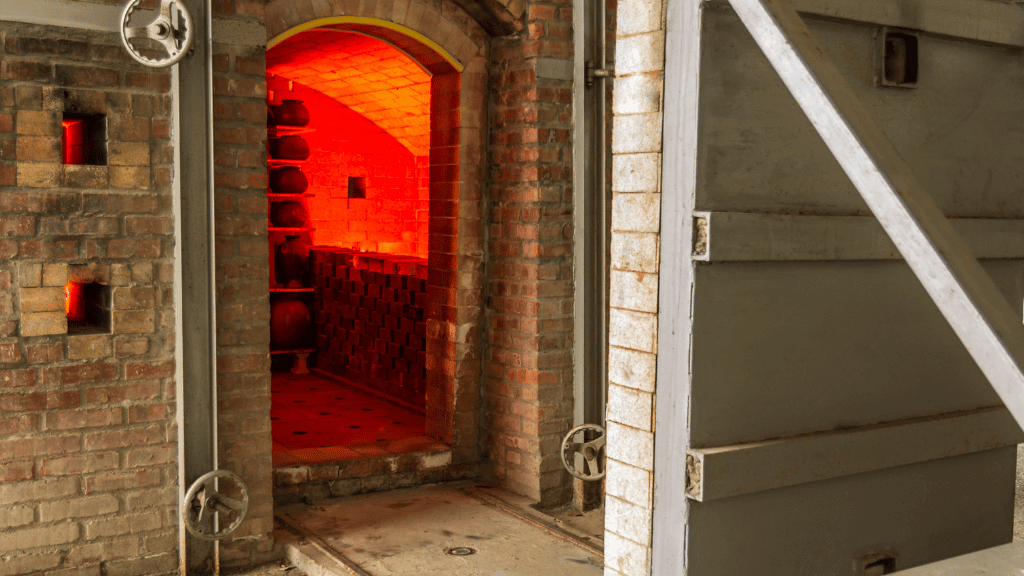
You can fire your pottery at local ceramic studios, community art centers, college ceramics programs, and dedicated kiln-firing services. If you fire often, buying a home kiln starts to make sense. Most studios charge a kiln fee per piece or by shelf space, typically a few dollars for small items up to $20 or more for large work.
Call ahead before you bring anything in. Every kiln service has rules about which clay bodies and glazes they accept, because one wrong piece can ruin an entire load.
Quick Comparison of Your Firing Options
| Option | Typical Cost | Best For | Catch |
|---|---|---|---|
| Local ceramic studio | $5–$50 per piece, or by size | Occasional firing, hand-builders | Must use approved clay/glazes |
| Community art center | Class fee or membership | Beginners who want guidance | Firing tied to enrollment |
| College ceramics program | Course tuition or lab fee | Structured learning | Usually students only |
| Paint-your-own studio | Built into piece price | Glazing pre-made bisque | Often won’t fire outside greenware |
| Home kiln | $700–$5,000+ to buy | Regular, frequent firing | Wiring, ventilation, space |
| Pit/barrel/raku firing | Cost of fuel | Decorative low-fire work | Not food-safe, less durable |
Local Ceramic Studios
Many ceramic studios offer kiln firing on a pay-per-use basis, even if you didn’t make the piece there. Search for “pottery studio kiln firing” plus your city, or check local maker directories and pottery guild listings.
When you call, have answers ready for the questions they will ask:
- What clay body did you use, and what cone is it rated for?
- Is the piece bone dry, and how thick is it?
- Are the glazes commercial and labeled for the studio’s firing temperature?
Studios fire to a specific cone. Most community kilns run cone 06–04 for bisque and cone 5–6 for glaze. If your clay matures at a different temperature than their schedule, they will likely turn you away. A piece that melts or explodes can damage shelves, elements, and everyone else’s work in the load.
Community Art Centers
Community art centers and recreation departments often run ceramics programs with kiln access included in a class fee or membership.
This is the route I usually recommend for beginners. You get firing plus supervision, and the staff catch problems (air bubbles, overly thick walls, pieces that are too wet or unevenly dried) before they become kiln disasters.
Expect scheduled firings every week or two rather than on demand, so plan for a turnaround of one to three weeks from drop-off to pickup.
Community College and University Ceramics Programs
Many colleges with ceramics programs open their facilities to the public through continuing-education or community classes. Tuition for a semester-long class often works out cheaper per firing than pay-per-piece studio rates if you produce a lot of work.
Contact the ceramics faculty or program coordinator directly. Kiln access policies rarely make it onto the website.
Paint-Your-Own-Pottery Studios
Paint-your-own studios fire constantly, and some will fire outside work for a fee. Most only accept their own bisque, though, because they fire low (around cone 06–05) and can’t risk unknown greenware.
If they do accept your work, it usually has to be bisque-fired already and glazed with low-fire commercial glazes. Ask before you assume.
What Temperature Does Clay Need to Fire At?
Wherever you fire, the kiln has to reach the right temperature for your specific clay. This is the single most common mismatch between potters and firing services.
Clay doesn’t become ceramic until it passes roughly 1,000°F (540°C), and it doesn’t reach full strength until it hits its maturing temperature. Even then, earthenware stays porous without glaze. Only stoneware and porcelain vitrify tightly enough to hold water on their own. Potters measure this with cone numbers rather than degrees, because cones track both temperature and time in the kiln.
| Firing Stage | Cone | Approx. Temperature |
|---|---|---|
| Bisque firing | Cone 06–04 | 1,828–1,945°F (998–1,063°C) |
| Low-fire glaze (earthenware) | Cone 06–04 | 1,828–1,945°F (998–1,063°C) |
| Mid-fire glaze (most stoneware) | Cone 5–6 | 2,167–2,232°F (1,186–1,222°C) |
| High-fire glaze (stoneware/porcelain) | Cone 9–10 | 2,300–2,345°F (1,260–1,285°C) |
Your clay bag lists its cone range. Match it to the kiln you’re using. Firing earthenware to cone 6 can slump or melt it onto the shelf; firing stoneware only to cone 04 leaves it porous and weak. For a deeper breakdown, see how hot a kiln needs to be for pottery.
One thing a kiln service can’t fix: a home oven maxes out around 500°F (260°C), nowhere near hot enough to turn clay into ceramic. I cover why in detail in can you fire pottery in an oven.
Buying a Home Kiln
If you fire more than a few pieces a month, a home kiln pays for itself within a couple of years compared to studio fees. Small tabletop kilns start around $700–$1,200; a mid-size electric kiln suitable for a serious hobbyist typically runs $1,500–$3,500. I break down sizes and price ranges in how much is a pottery kiln.
Before you buy, check three things:
- Power. Most kilns beyond tabletop size need a dedicated 240V circuit, often 30–60 amps, installed by an electrician.
- Ventilation. Firing releases fumes; you need a vented garage, outbuilding, or a downdraft vent system. Never fire in living space.
- Clearance. Kilns need at least 12–18 inches from walls and anything combustible, on a non-flammable floor.
Check with your local building department and your homeowner’s insurance. Some policies require notification before you install a kiln.
Gas vs. Electric Kilns
Electric kilns are cheaper, easier to program, and what nearly every home potter should start with. Gas kilns allow reduction firing (the oxygen-starved atmosphere behind classic celadon and copper-red glazes), but they cost more, need fuel plumbing, and usually require permits.
Unless you specifically want reduction effects, go electric.
Forming a Firing Cooperative
If a kiln is too expensive alone, split one. A firing cooperative pools money from several local potters to buy and maintain a shared kiln. Four people splitting a $2,400 kiln plus electricity makes the math very friendly.
What makes co-ops work:
- A written agreement on costs, scheduling, and who’s responsible for maintenance
- One agreed firing schedule (everyone fires to the same cone)
- A shared log of every firing, so element wear and repairs are tracked
Local pottery guilds and online ceramics communities are the best places to find interested partners.
Mobile Kiln and Pickup Firing Services
In some areas, businesses will pick up your greenware, fire it in their own kilns, and return it. Some will even bring a small kiln to your event. These services suit group workshops, schools, and potters in apartments with no other option.
Book well in advance, follow the provider’s preparation guidelines exactly, and confirm how they handle breakage, since transporting bone-dry greenware is the riskiest part of the process.
Alternative Firing Without a Kiln
If no kiln is available at all, low-tech methods can still turn clay into ceramic, with real limitations. None of these reach stoneware temperatures, so the results are decorative, porous, and not food-safe. I walk through the full process in how to fire pottery at home.
Pit Firing
Dig a pit, layer it with sawdust, wood, and dry combustibles, nest your bone-dry pots inside, and burn it down over several hours. Pit fires typically reach 1,400–1,800°F (760–980°C), enough to sinter low-fire clay but well short of vitrification. Expect smoky blacks, oranges, and unpredictable flashing.
Barrel Firing
The same idea inside a steel drum with air holes punched in the sides. A barrel gives you slightly more temperature control than an open pit and contains the fire, which matters if you’re in a suburban yard. Check local burn ordinances first.
Raku Firing
Raku uses a small propane kiln to heat glazed pots to around 1,800°F (980°C), then pulls them out glowing and drops them into a can of combustibles for dramatic crackle and metallic effects. Raku is thrilling, but the thermal shock demands a grogged raku clay body. And you still need access to a raku kiln, which many studios offer as a workshop.
What Linda Recommends
Start with a community studio or art center class. You’ll get reliable cone 06 bisque and cone 6 glaze firings, experienced eyes on your work, and zero equipment risk. Once you’re firing two or more kiln loads’ worth of work a month and you know your clay body and glazes, that’s the point where a home kiln makes financial sense — not before.
FAQ
What temperature do I need to fire clay?
It depends on the clay body. Bisque firing happens at cone 06–04, about 1,828–1,945°F (998–1,063°C). Earthenware glaze-fires in that same low range, stoneware matures at cone 5–6 (2,167–2,232°F / 1,186–1,222°C), and porcelain and high-fire stoneware go to cone 9–10 (up to 2,345°F / 1,285°C). Always match the kiln’s firing cone to the cone printed on your clay bag.
How much does it cost to fire pottery at a studio?
Most studios charge by piece size or shelf space. Small pieces often run $5–$15, larger pieces $20–$50, and some studios charge per cubic inch or per half-shelf instead. Bisque and glaze firings are usually billed separately, so budget for two firings per finished piece.
Can I fire pottery without a kiln?
Yes, with limits. Pit firing, barrel firing, and raku reach low-fire temperatures and produce decorative, non-food-safe work. Air-dry and oven-bake clays skip firing entirely but never become true ceramic. If you want durable, functional pottery, you do need a kiln, yours or someone else’s.
How long does a firing take?
A typical bisque firing takes 8–12 hours plus another 12 or more hours of cooling, and glaze firings run similar. That’s why studios batch work and quote one-to-three-week turnarounds. More detail in how long pottery takes to fire.
Will a studio fire pottery I made at home?
Many will, but only if your clay matches their firing temperature, your piece is bone dry and free of air pockets, and any glazes are commercial products rated for their cone. Bring the clay bag label or product name when you ask. It’s the first thing they’ll want to know.
Is it safe to run a kiln at home?
Yes, with proper setup: a dedicated circuit installed by an electrician, a vented space away from living areas, 12–18 inches of clearance from anything combustible, and someone home during the firing. Check local codes and tell your insurer before you install one.