
How Much Is A Pottery Kiln?
By Linda · · 8 min read
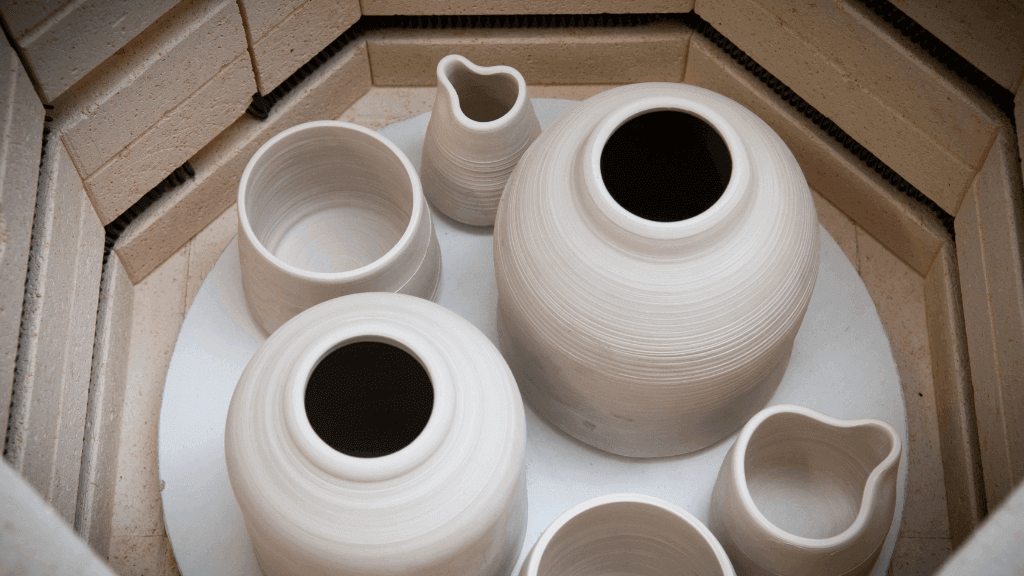
A pottery kiln costs anywhere from about $700 for a small tabletop electric model to $15,000 or more for a large production kiln. Most hobby potters end up spending $1,500 to $3,500 on a small-to-medium electric kiln, which is enough capacity to bisque and glaze fire a steady stream of mugs, bowls, and small sculptural work.
Used kilns can cut that figure roughly in half, and that’s how I’d suggest most beginners start. Below I’ll break down prices by size and type, the hidden costs people forget (the electrical hookup is the big one), and how to avoid buying a worn-out kiln second-hand.
Pottery Kiln Prices by Size
Size is the single biggest driver of price. Here’s what the market generally looks like:
| Kiln size | Interior space | Typical price (new) | Best for |
|---|---|---|---|
| Tabletop / test kiln | Under 1 cubic foot | $475–$1,100 | Test tiles, jewelry, small figurines |
| Small | 1–3 cubic feet | $900–$2,300 | Hobbyists firing mugs and bowls |
| Medium | 4–7 cubic feet | $2,000–$4,100 | Serious hobbyists, small sellers |
| Large | 7–12 cubic feet | $2,500–$5,500 | Studios, production potters |
| Extra-large / production | 12+ cubic feet | $5,000–$15,000+ | Schools, professional studios |
A few notes on reading that table:
- A “cubic foot” of interior space holds roughly 10–15 mugs, depending on how you stack your shelves.
- Bigger isn’t always better. A half-empty kiln wastes electricity, and you’ll fire less often while you wait to fill it. Match the kiln to your actual output.
- Digital controllers add a few hundred dollars over manual kiln-sitter models, and they’re worth every penny for repeatable glaze results.
What Factors Affect the Price of a Pottery Kiln?
Beyond raw size, several things move the price up or down:
- Maximum temperature rating. A kiln rated to cone 10 (about 2,345°F / 1,285°C) costs more than one that tops out at cone 6 (about 2,232°F / 1,222°C) because it needs heavier-duty elements and brick. If you only fire earthenware and mid-range stoneware, you don’t need to pay for cone 10 capability. That said, kilns rated higher than you fire tend to last longer, since they’re never working at their limit.
- Controller type. Manual kilns with a kiln sitter are cheapest. Digital programmable controllers cost more but let you set ramp speeds, holds, and preheat segments.
- Voltage and phase. Most home kilns run on 240V single-phase power. Three-phase models for commercial spaces are priced differently and won’t run on residential wiring.
- Brick vs. fiber construction. Traditional firebrick kilns are the standard for pottery. Ceramic-fiber kilns heat and cool faster but are more common for glass work. If you’re tempted by one, read my post on whether you can use a glass kiln for pottery first, because the temperature ratings often don’t reach stoneware range.
- Extras. Furniture kits (shelves and posts), vent systems, and rolling stands are usually sold separately and add $300–$800 to the real cost of getting started.
Electric vs. Gas vs. Wood Kilns: Cost Comparison
Electric kilns dominate home pottery for good reason: they’re the cheapest to buy, the easiest to install, and the safest to run indoors. If you’re shopping, my electric pottery kiln guide covers what to look for.
Gas kilns generally start around $5,000 new and climb quickly, plus you need a gas line, outdoor or heavily ventilated placement, and often a permit. Their advantage is reduction firing, the oxygen-starved atmosphere that produces classic celadon and copper-red glazes. An electric kiln can’t do that.
Wood kilns are usually built rather than bought. Materials for a small one can run a few thousand dollars in firebrick, but the real cost is labor and land. If that idea appeals to you, I’ve written a full guide on how to build a pottery kiln.
The Hidden Cost: Electrical Installation
This is the expense that surprises almost everyone. Most kilns above tabletop size need a dedicated 240V circuit at 30–60 amps — the same kind of hookup as an electric range or dryer, but on its own breaker.
- If your panel has space and the kiln sits near it, an electrician might charge $300–$600.
- If you need a long wire run to a garage or basement, expect $600–$1,500.
- If your panel needs upgrading, costs can exceed $2,000.
Get an electrician’s quote before you buy the kiln. I’ve known more than one potter who got a great deal on a big used kiln, then discovered their house couldn’t power it. Check the kiln’s amperage rating against your panel first.
You’ll also want ventilation. A downdraft vent system runs $400–$600 and is strongly recommended for any kiln fired indoors, since firing releases fumes from clay and glaze materials.
How Much Does It Cost to Fire a Kiln?
Running costs are lower than most people fear. A firing’s electricity cost depends on kiln size, the cone you fire to, and your local rate per kilowatt-hour.
- A small hobby kiln firing to cone 06 bisque (about 1,830°F / 999°C) typically uses 15–25 kWh, often just a few dollars per firing.
- A medium kiln firing to cone 6 glaze (about 2,232°F / 1,222°C) might use 50–80 kWh, commonly $8–$15 per firing at average residential rates.
- Large kilns firing to cone 10 can use 100+ kWh per firing.
A full firing cycle, including cooling, usually takes a day or more. I cover the timing in detail in how long pottery takes to fire.
Budget for maintenance too. Heating elements wear out after roughly 100–200 firings and cost $150–$400 in parts to replace on a typical kiln. Thermocouples, relays, and the occasional shelf or cone pack are smaller recurring costs. For the full picture of what the hobby costs, see my pottery costs breakdown.
Buying a Used Pottery Kiln
Used kilns commonly sell for 40–60% of their new price, and a well-cared-for electric kiln is a perfectly good buy. Look on local classifieds, pottery guild newsletters, and studios that are upgrading.
Here’s my inspection checklist:
- Bricks. Hairline cracks are normal; crumbling, missing chunks, or bricks coated in melted glaze are not.
- Elements. Look for sagging coils or elements popped out of their grooves. Ask how many firings are on the current set. Replacements are a known cost, so price accordingly.
- Lid and floor. Check for deep cracks and make sure the lid closes flat.
- Wiring. Open the control box if the seller allows. Burnt, brittle, or discolored wiring means repair costs.
- Controller test. Ask to see it power on and start a program. A dead controller can cost several hundred dollars to replace.
- Model age. Very old kilns fire slower, struggle to reach top temperature as elements age, and use more electricity. Compare against the price of a new kiln of the same size before you commit.
If the seller can’t demonstrate the kiln reaching temperature, negotiate as if the elements need replacing.
Cheaper Alternatives If a Kiln Isn’t in the Budget
You don’t need to own a kiln to make fired pottery:
- Rent kiln space. Many studios and ceramic supply shops fire customer work for a per-piece or per-shelf fee, often just a few dollars per piece. My post on where to fire your pottery lists the options.
- Community studio membership. Monthly memberships usually include firing, plus wheels and glazes.
- Pit firing and raku. Low-tech outdoor methods that reach earthenware temperatures. See how to fire pottery without a kiln for the techniques.
- Air-dry clay. Not true ceramic and not food-safe or waterproof, but fine for decorative practice while you save up.
If you’re still deciding whether ownership makes sense at all, start with do you need a kiln for pottery.
Kiln Safety and Placement
A kiln’s exterior can exceed 500°F (260°C) during firing, so placement matters as much as price:
- Keep combustible materials at least 36 inches away from the kiln on all sides.
- Set the kiln on a non-combustible floor (concrete is ideal).
- Vent fumes outdoors, especially when firing glazes.
- Wear heat-resistant gloves (Kevlar or similar) when checking peepholes, and use shade 3 or darker glasses when looking into a glowing kiln.
- Disconnect power before any maintenance.
- Check your homeowner’s insurance and local fire codes. Some insurers want to know about a kiln, and telling them up front is far cheaper than a denied claim.
FAQ
How much is a small pottery kiln?
Small kilns (1–3 cubic feet) run $900–$2,300 new, and compact tabletop models start around $475–$700. Add $300–$800 for shelves, posts, and possibly an electrician.
How much does a pottery kiln cost to run?
Typically $3–$15 in electricity per firing for hobby-sized kilns, depending on size, the cone you fire to, and your local electricity rate. Element replacement every 100–200 firings is the main recurring maintenance cost.
Can I plug a kiln into a regular outlet?
Only the smallest tabletop kilns run on a standard 120V household outlet. Anything bigger needs a dedicated 240V circuit installed by an electrician, usually at 30–60 amps.
Is a used kiln worth buying?
Yes, if the bricks are sound, the controller works, and the kiln demonstrably reaches temperature. Expect to pay 40–60% of the new price, and budget for new elements if the seller can’t confirm their age.
What brands of pottery kiln are most reliable?
Skutt, L&L, Paragon, Olympic, and Cress are the names you’ll hear most from potters, and parts for all of them are easy to find. That matters more over a kiln’s 10-to-20-year life than the sticker price.
How long does a pottery kiln last?
A well-maintained electric kiln lasts 10–20 years or more. Elements, thermocouples, and relays are consumable parts you’ll replace along the way; the brick body and frame are what determine the kiln’s real lifespan.