
Essential Pottery Tools for Pregnant Women
By Linda · · 9 min read
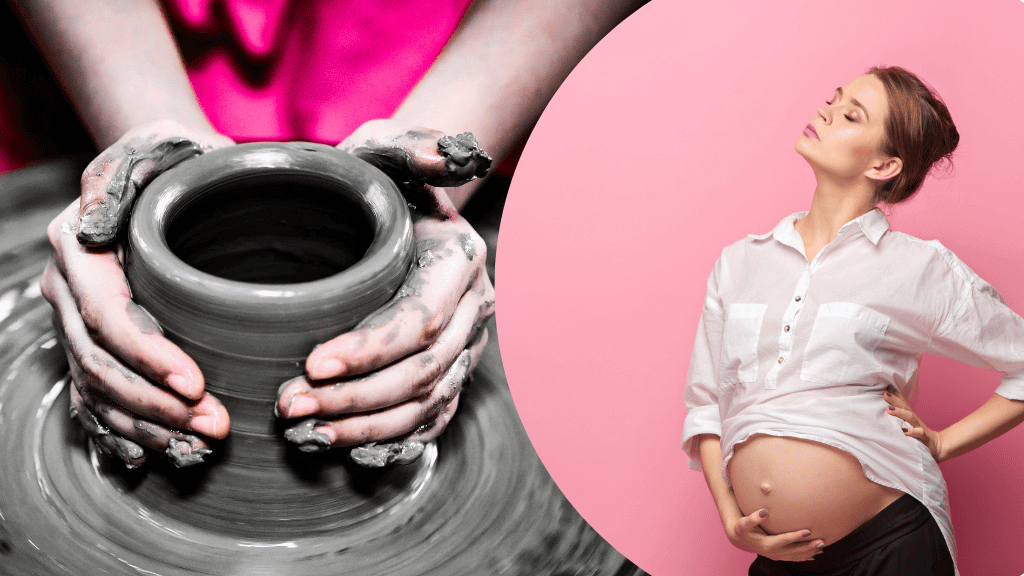
Pregnant women can continue doing pottery safely with the right equipment: ergonomic trimming tools, a height-adjustable wheel or worktable, an electric kiln with proper ventilation, lead-free commercial glazes, premixed moist clay, supportive seating, and nitrile gloves for glazing.
Every tool on this list does the same job: cut down on dust, fumes, heavy lifting, and repetitive strain so you can keep making pots through all three trimesters. I’ll walk through each one, what it costs, and the habits that matter just as much as the gear.
Is Pottery Safe for Pregnant Women?
Yes, pottery is generally safe during pregnancy as long as you control three things: silica dust, glaze chemicals, and physical strain. None of these risks comes from touching moist clay itself. Wet clay on your hands is harmless.
The real hazards are dry clay dust (which contains crystalline silica), raw glaze materials that may contain heavy metals, and kiln fumes during firing. Every tool and habit in this post targets one of those three. For a full breakdown of the hazards themselves, see my post on the risks of pottery making during pregnancy.
A quick rule of thumb I give every expecting potter: if you can’t wipe it up wet, don’t let it go dry. Damp sponging surfaces instead of sweeping eliminates most of the dust risk on its own, and it costs nothing.
Can Pregnant Women Do Pottery? What Changes by Trimester
Pregnant women can do pottery in all three trimesters, but how you work should change as your body does. Here’s what I adjust and when:
- First trimester: Fatigue and nausea are the main issues. Keep sessions to 45–60 minutes, skip the studio on days when smells bother you, and start your glove and damp-cleaning habits now so they’re automatic later.
- Second trimester: Usually the most comfortable stretch. This is the time to raise your wheel or switch to standing handbuilding, because leaning over a low splash pan gets harder from here on.
- Third trimester: Your belly limits how close you can sit to the wheel head, and your relaxin-loosened joints make wrist strain more likely. Switch to smaller forms (under 2 lb / 1 kg of clay), lean on handbuilding, and have someone else load and unload the kiln.
I cover the full activity-by-activity breakdown in Can You Do Pottery While Pregnant?. This post sticks to the tools that make each stage workable.
Ergonomic Trimming and Carving Tools
Pregnancy hormones loosen ligaments throughout your body, including your wrists, which makes carpal tunnel symptoms and tendon strain far more common. Standard skinny metal trimming tools force a tight pinch grip that aggravates this.
Look for trimming tools with fat, cushioned handles, the same style sold for arthritis-friendly use. A basic set runs about $15–$40 and takes real pressure off your thumb and wrist. Soft rubber ribs instead of rigid metal ones help for the same reason.
Two more cheap swaps that pay off:
- A wire clay cutter with large wooden toggles instead of small beads. Easier to grip, less wrist torque.
- A banding wheel for decorating, so you turn the pot instead of twisting your torso around it.
Height-Adjustable Wheels and Work Surfaces
Lower back pain is the most common complaint I hear from pregnant potters, and most of it comes from hunching over a wheel that sits too low. A height-adjustable wheel, or a standard wheel raised on a sturdy platform, lets you keep your spine closer to neutral.
Adjustable-leg models from the major wheel brands typically run $900–$1,600 new, but you don’t need to buy a new wheel. Cinder blocks or a custom wood riser under your existing wheel costs under $50 and works fine. Just make sure it’s dead stable before you sit down.
For handbuilding, a counter-height table (36 in / 91 cm) that lets you work standing with straight wrists beats any seated setup in the third trimester. Rolling slabs standing up uses your body weight instead of your shoulders.
Supportive Seating
Whatever wheel you use, the seat matters more during pregnancy than the wheel itself. You want:
- A padded stool or chair with adjustable height, so your hips sit slightly above your knees.
- Lumbar support. A rolled towel strapped to a stool back works if you don’t want to buy anything.
- A footrest option, because elevating one foot periodically reduces lower-back and pelvic pressure.
A decent adjustable studio stool costs $40–$120. It is the single best comfort purchase on this list, and you’ll keep using it long after the baby arrives.
Electric Kiln, Ventilation, and Who Loads It
An electric kiln is the right choice during pregnancy. Gas, wood, and raku firing produce carbon monoxide and heavy smoke; electric firing is cleaner and far more controllable. But even electric kilns release fumes as wax resist, organics in the clay, and glaze materials burn off, typically through the 300–1,400°F (149–760°C) range early in the firing.
Manage it like this:
- Keep the kiln in a separate, ventilated room, never in your main workspace or an attached living area.
- Use a downdraft vent system (roughly $400–$600 installed) or at minimum a window fan exhausting outdoors during every firing.
- Stay out of the kiln room while it’s firing and cooling. Program it, leave, and come back when it’s done. A typical cone 6 glaze firing reaches about 2,232°F (1,222°C) and the full fire-and-cool cycle takes 18–24 hours, so there’s no reason to hover.
- Delegate loading and unloading. Full kiln shelves are heavy and awkward at exactly belly height. This is the one job I tell pregnant potters to hand off completely.
More detail in my post on pottery safety precautions during pregnancy.
Premixed Clay and Lead-Free Glazes
Buy premixed moist clay in bags rather than mixing from dry powder. Dry clay mixing is the dustiest job in any studio, and it’s completely avoidable for $15–$30 per 25 lb bag. Commercial low-fire earthenware and mid-range stoneware bodies are both fine choices. I compare clay bodies in types of pottery safe for pregnancy.
For glazes, the rules during pregnancy are simple:
- Use commercial premixed liquid glazes labeled lead-free, and check the jar for an AP (Approved Product) non-toxic seal where available.
- Skip mixing glazes from raw powders. That’s where exposure to silica, and sometimes cobalt, manganese, or other metal compounds, happens.
- Wear nitrile gloves when glazing and wash up afterward. Glaze chemicals don’t meaningfully absorb through intact skin, but gloves stop hand-to-mouth transfer cold.
I go deep on which glaze ingredients matter and which warnings are overblown in pottery glazes and pregnancy safety.
Dust Control: The Tools That Matter Most
If you only upgrade one part of your studio, make it dust control. Crystalline silica from dry clay is the most serious long-term hazard in any pottery studio, pregnant or not.
| Tool | Approximate cost | What it does |
|---|---|---|
| Large sponges and a mop | $10–$25 | Damp-wipe all surfaces so you never have to sweep |
| HEPA vacuum | $150–$500 | Captures fine silica that regular vacuums blow back into the air |
| NIOSH-rated N95 respirator | $15–$30 | Backup for unavoidable dusty moments; check fit with your doctor late in pregnancy |
| Lidded water buckets | $5–$15 | Settle clay slop instead of rinsing it down the drain dry later |
| Canvas-free wedging surface (sealed plaster or smooth board) | $20–$60 | Canvas traps dry clay and sheds dust every time you slap clay on it |
Three habits to pair with the gear: wipe surfaces wet at the end of every session, never sweep or dry-sand greenware indoors, and keep a separate pair of studio shoes so you don’t track clay dust into the house.
Wrist Support and Clay-Handling Shortcuts
Wedging is the most wrist- and back-intensive task in pottery, and it’s the first thing I tell pregnant potters to shortcut:
- Buy clay fresh and use it straight from the bag. Well-pugged commercial clay needs only minimal wedging.
- Slice-and-slam (stack wedging) instead of spiral wedging. It uses gravity, not wrist force.
- Work with smaller amounts: several 1–2 lb (0.5–1 kg) balls instead of one big lump.
- If you share a studio, a pugmill does the work entirely, but at $1,500+ it’s a community purchase, not a personal one.
Soft wrist-support gloves or compression sleeves ($10–$25) help if you’re already feeling carpal tunnel tingling, which affects a large share of pregnancies. Take them off when you throw (you need skin contact for control) and wear them for trimming, handbuilding, and recovery between sessions.
Setting Up the Workspace: Storage and Cleaners
Arrange the studio so nothing heavy lives below knee height or above shoulder height. Rolling carts, wall shelves at chest level, and small bins instead of big ones eliminate most of the bending and lifting that wears you out. Keep your daily tools on a pegboard at eye level.
For cleaning, plain water and a sponge handle nearly all pottery mess. Skip solvent-based cleaners and anything strongly fumed; you don’t need them, and a clay studio shouldn’t smell like chemicals. Mild dish soap for tools and hands is plenty.
Pacing: The Free Tool Everyone Skips
A kitchen timer is the cheapest item in this post and the one most often ignored. Set it for 30–45 minutes. When it rings: stand, drink water, stretch your back and wrists, and check in with how you feel before sitting back down.
Throwing is absorbing — it’s easy to lose 2 hours hunched in one position. That’s fine at month two and miserable at month eight. Shorter, more frequent sessions produce just as many pots with far less strain, and your healthcare provider can suggest stretches matched to your stage.
FAQ: Pottery Tools and Safety During Pregnancy
Is pottery safe for pregnant women?
Yes, with sensible precautions. Wet clay is harmless to touch; the risks are dry clay dust, raw glaze chemicals, kiln fumes, and physical strain. Use premixed clay, lead-free commercial glazes, an electric kiln in a ventilated separate room, wet cleaning instead of sweeping, and supportive seating, and pottery remains a safe hobby throughout pregnancy.
Can pregnant women do pottery in all trimesters?
Yes. Most potters work through the third trimester by adapting: raise the wheel or switch to standing handbuilding, throw smaller forms, delegate kiln loading, and take breaks every 30–45 minutes. The first trimester may need shorter sessions due to fatigue and smell sensitivity.
How do I know if a clay or glaze is safe to use while pregnant?
Buy commercial premixed products labeled lead-free, look for an AP non-toxic seal, and check the manufacturer’s safety data sheet (SDS). Reputable suppliers publish them online. Avoid mixing your own glazes from dry powders during pregnancy, since the powder stage is where exposure happens.
Do I need a respirator for pottery while pregnant?
Not for routine wet work. If you keep clay damp, use premixed glazes, and clean with water instead of sweeping, airborne dust stays minimal. Keep a NIOSH-rated N95 on hand for unavoidable dusty tasks, and ask your doctor about respirator comfort in late pregnancy, when restricted breathing can feel harder.
What pottery activities should I avoid completely during pregnancy?
Skip mixing dry clay or glazes from powder, dry-sanding greenware indoors, raku and other open-flame firings, lifting loaded kiln shelves or 25 lb clay bags, and using lead-bearing or unlabeled vintage glazes. Everything else (throwing, handbuilding, trimming, glazing with gloves) is workable with the adjustments above.
What’s the single most important tool to buy first?
A HEPA vacuum plus a commitment to wet cleaning. Dust control addresses the most serious hazard in the studio. After that, an adjustable padded stool gives the biggest day-to-day comfort improvement for the least money.