
Can You Do Pottery While Pregnant?
By Linda · · 8 min read
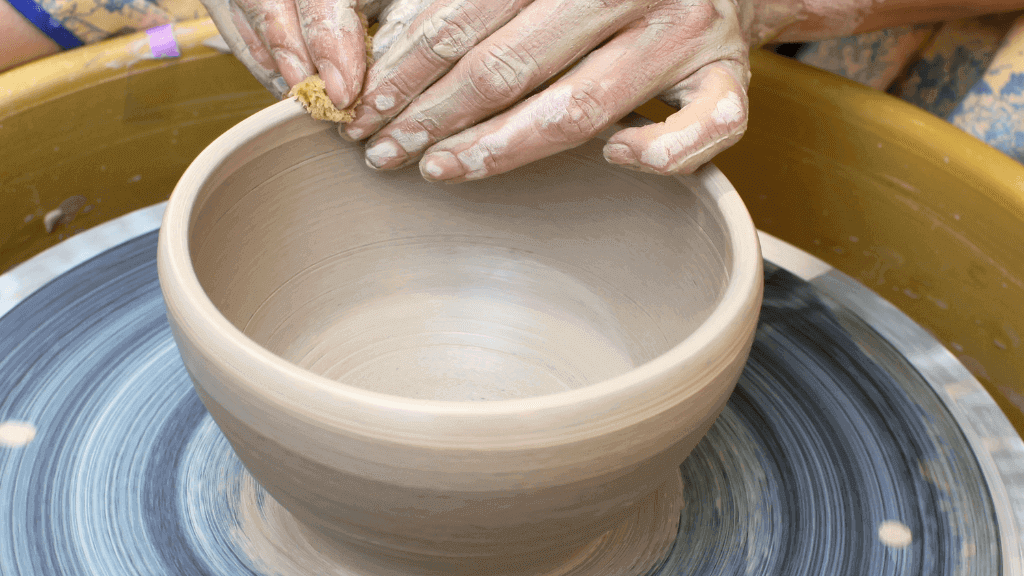
Yes, you can do pottery while pregnant. Working with clay itself isn’t dangerous. The real risks come from three specific things: silica dust from dry clay, certain glaze ingredients (lead above all, plus some metal oxides), and kiln fumes. Manage those three, and pottery is one of the gentler hobbies you can keep through all nine months.
The practical rules: work with moist clay rather than dry, choose glazes labeled “AP Non-Toxic” by the Art & Creative Materials Institute (ACMI), stay out of the room while the kiln fires, clean with a damp sponge or mop instead of sweeping, and wash your hands before eating or leaving the studio. And as with any activity during pregnancy, mention it to your healthcare provider, especially if your pregnancy is high-risk.
What’s Risky (and What Isn’t)
Most of what you do at a pottery wheel or hand-building table is harmless. The hazards are specific and avoidable, so it helps to know exactly where they live.
- Silica dust. Dry clay contains free silica. Inhaled over time it damages lungs, and you don’t want any avoidable airborne exposure while pregnant. Wet clay produces essentially no dust. The danger lives in sanding bone-dry pieces, sweeping floors, and mixing dry clay or glaze powders.
- Glaze ingredients. Lead is the big one to avoid entirely. Some colorants (oxides and carbonates of copper, cobalt, nickel, manganese, and chromium) also deserve gloves and care. Commercial liquid glazes with the ACMI “AP Non-Toxic” seal are the safe default.
- Kiln fumes. Firing releases carbon monoxide, sulfur compounds, and sometimes metal fumes, particularly during glaze firings. The kiln room should be ventilated, and you shouldn’t be sitting next to a kiln while it climbs to cone 06 (1,828°F / 998°C) or cone 6 (2,232°F / 1,222°C).
- Physical strain. Wedging clay, lifting 25 lb (11 kg) clay bags or ware boards, and hunching over a wheel for hours. None of it is forbidden. It just needs adjusting as your body changes.
For a deeper breakdown of each hazard and how serious it really is, see my guide to the risks of pottery making during pregnancy.
Can You Throw Pottery on the Wheel While Pregnant?
Yes. Wheel throwing uses wet clay, which means almost no dust, and that makes it one of the safer pottery activities for pregnancy. The challenges are ergonomic, not chemical.
In the first trimester, most potters change nothing. By the second and third trimesters, leaning over the wheel head gets awkward as your belly grows, and the hunched throwing posture can strain your lower back.
What works in practice:
- Raise your seat or lower the wheel so you’re not folding over your belly. Many potters switch to standing at the wheel late in pregnancy.
- Throw smaller amounts of clay. Centering 5+ lb (2.3 kg) takes real core and upper-body force. Drop to 1–2 lb (0.5–1 kg) pieces and let someone else do the heavy wedging.
- Take a break every 20–30 minutes to stand, stretch, and drink water.
- Skip trimming sessions that involve a lot of dry-ish clay shavings, or trim leather-hard and clean up with a damp sponge right away.
The right setup matters more than usual right now. I cover seat cushions, wheel height, and tool swaps in essential pottery tools for pregnant women.
Is Pottery Painting Safe While Pregnant?
Yes. Pottery painting is the lowest-risk pottery activity there is, and a good fit if you want clay time without studio dust. Paint-your-own-pottery studios use commercial underglazes on pre-fired bisque, and the staff handles all the glazing and firing. Reputable studios use lead-free, non-toxic underglazes; if you want certainty, ask whether their products carry the ACMI “AP Non-Toxic” seal.
Sensible precautions for a pottery painting session:
- Don’t eat or drink while painting, and wash your hands when you finish.
- Pick a seat away from any kiln area if the studio fires on-site.
- Skip any station that involves sanding or scraping bisque. That’s where the dust comes from.
A typical paint-your-own session runs $15–$40 per piece including the firing, which makes it an easy, low-commitment way to keep creating during pregnancy.
Glazing While Pregnant: The Rules That Matter
Glazing is where most of the genuine chemical risk concentrates, so it deserves its own habits:
- Use commercial liquid glazes, not dry powders you mix yourself. Mixing dry glaze materials puts silica and raw colorants in the air.
- Check labels. “AP Non-Toxic” (ACMI) is your green light. Avoid anything containing lead, and treat “CL” (Caution Label) products as off-limits for now.
- Wear nitrile gloves when dipping or brushing, and don’t glaze with bare cuts on your hands.
- Never eat, drink, or touch your face in the glazing area, and scrub your hands thoroughly afterward.
- Brush or dip rather than spray. Spray glazing creates a fine airborne mist and requires a proper spray booth and respirator. Easiest to just skip it until after the baby arrives.
I go through specific ingredients, label reading, and safer substitutions in pottery glazes and pregnancy safety.
Kilns and Firing: Keep Your Distance
You can keep firing your work while pregnant. You just shouldn’t babysit the kiln. Electric kilns reach roughly 1,800–2,400°F (980–1,300°C) depending on the firing, and during that climb they vent fumes from burning organics in the clay and volatilizing glaze materials.
- Fire in a separate, ventilated room (a downdraft vent or strong cross-ventilation), and stay out of that room during the firing and cool-down.
- Let someone else load and unload heavy shelves. Kiln shelves and full loads of ware add up fast.
- If you’re in a community studio, fire days are a fine time to schedule your wheel time elsewhere.
Loading greenware and pressing the start button is fine; sitting in a closed garage with a firing kiln is not.
A Trimester-by-Trimester Approach
| Stage | What’s usually fine | What to adjust |
|---|---|---|
| First trimester | Throwing, hand-building, painting, glazing with non-toxic products | Start the habits now: damp cleaning, gloves, no food in the studio; nausea may make clay smells unpleasant |
| Second trimester | All of the above | Raise the wheel or your seat; cut wedging weight; delegate clay-bag lifting (25 lb / 11 kg) |
| Third trimester | Hand-building, painting, light throwing | Stand or use a high stool at the wheel; shorter sessions; avoid kiln rooms entirely; no sanding or dry trimming |
Every pregnancy is different. This table is a starting point, not medical advice. If your provider has you on activity restrictions, pottery counts as activity.
Which Pottery Activities Are Safest?
If you want to rank your options from safest to “needs the most care”:
- Pottery painting on bisque. No dust, no raw materials, staff handles firing.
- Hand-building with moist clay. Pinch pots, coils, and slab work are low-exertion and nearly dust-free if you clean up damp.
- Wheel throwing. Wet and safe chemically; manage posture and lifting.
- Glazing. Fine with non-toxic commercial glazes, gloves, and good habits.
- Mixing dry materials, sanding greenware, spray glazing, kiln-watching. Park these until after pregnancy.
For more detail on which techniques and clay bodies suit each stage, see types of pottery safe for pregnancy.
Setting Up a Pregnancy-Safe Studio
A corner of the garage, a shared community space, it makes no difference. The same checklist applies:
- Clean wet, never dry. Damp sponge the tables, wet-mop the floor. Never sweep or use a regular shop vac; both throw silica into the air. A HEPA-filter vacuum is the only acceptable vacuum.
- Ventilate. An open window with a fan is the minimum; kiln rooms need dedicated venting.
- Separate eating from making. No snacks at the work table, no coffee mug next to the glaze buckets.
- Wash up properly. Hands and forearms with soap before you eat or leave; keep a studio apron that stays in the studio so you’re not carrying clay dust home on your clothes.
- Mask up for the dusty edge cases. If you must be around dry materials, wear a NIOSH-rated N95 (or better) respirator. A loose cloth mask doesn’t stop silica.
The full checklist, including handwashing routine and what to do about an existing dusty studio, is in pottery safety precautions during pregnancy.
Why I’d Encourage You to Keep Potting
Pottery is genuinely good for you during pregnancy. The slow, repetitive rhythm of working clay is meditative, it gets you out of your head during an anxious season, and finishing pieces gives you something tangible when everything else feels like waiting. Plenty of potters throw right up to their due dates — they just throw smaller, sit higher, and let someone else carry the clay.
Adapt the hobby; don’t abandon it.
FAQ
Can I do pottery while pregnant?
Yes. Pottery is generally safe during pregnancy if you use lead-free, non-toxic glazes, avoid dry clay dust (no sanding or sweeping), stay away from firing kilns, and wash your hands before eating. Check with your healthcare provider first, especially for a high-risk pregnancy.
Can you do ceramics while pregnant, including classes?
Yes, a ceramics class is fine. Choose a studio with good ventilation, a wet-cleaning policy, and lead-free glazes, and tell the instructor you’re pregnant so they can skip you on dusty jobs like reclaiming clay or mixing glazes.
Is pottery painting safe while pregnant?
Yes, it’s the safest pottery activity for pregnancy. Paint-your-own-pottery studios use non-toxic underglazes on pre-fired bisque and handle the firing for you. Just don’t eat while painting and wash your hands afterward.
Can you throw pottery on the wheel while pregnant?
Yes. Wet throwing produces almost no dust. Use smaller amounts of clay (1–2 lb / 0.5–1 kg), raise your seat or stand as your belly grows, and take breaks every 20–30 minutes to protect your back.
What should I avoid completely while pregnant?
Lead glazes, mixing dry clay or glaze powders, sanding bone-dry pieces, spray glazing without a booth, sweeping the studio, sitting near a firing kiln, and lifting full clay bags or loaded ware boards.
Which clay is safest to use during pregnancy?
Any commercial moist clay is fine while it’s wet: low-fire earthenware, stoneware, or porcelain. The clay body matters less than keeping it wet. Dust from any dry clay contains silica, so the rule is “work moist, clean damp, don’t sand.”