
Types of Pottery Safe for Pregnancy
By Linda · · 8 min read
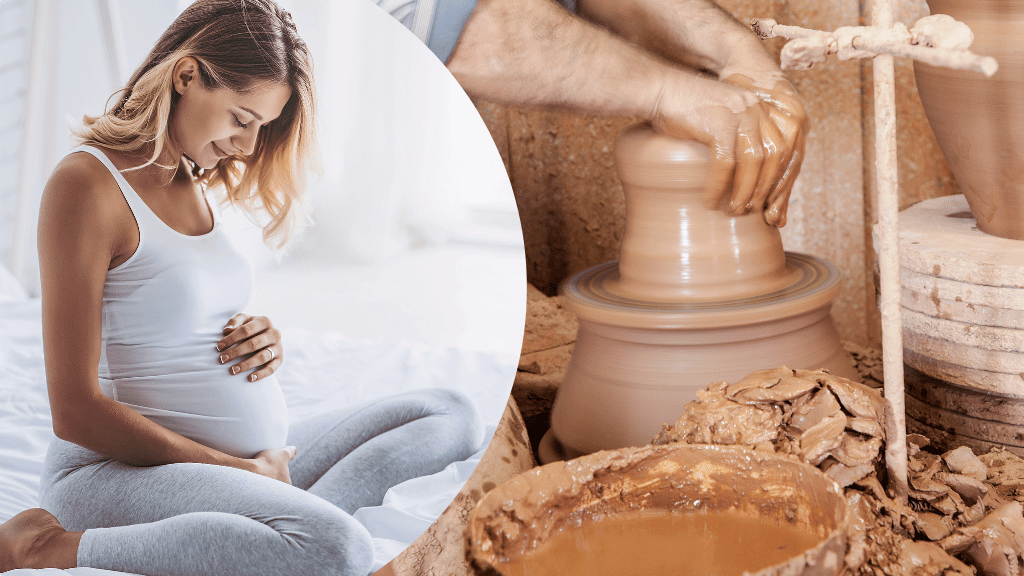 The safest pottery to use during pregnancy is fully vitrified, lead-free ware: high-fired stoneware and porcelain, or properly glazed earthenware from a maker who uses food-safe, lead-free glazes. Avoid anything with a cracked or crazed glaze, metallic or brightly colored decoration of unknown origin, vintage or imported low-fired ware, and raku.
The concern isn’t the clay itself. Fired clay is inert. The risk comes from glazes that contain lead or cadmium and weren’t fired correctly, because those metals can leach into acidic food and drink. Lead exposure is a genuine concern in pregnancy, so this is one area where it pays to be picky.
Is Pottery Safe During Pregnancy?
Yes, in both senses of the question. Eating and drinking from pottery is safe as long as the piece is lead-free and the glaze is intact. Making pottery is also safe with sensible precautions around dust, glaze materials, and kiln fumes. I cover the studio side in detail in can you do pottery while pregnant.
This post focuses mostly on the first question: which types of finished pottery are safe to eat and drink from while you’re expecting, and which ones to set aside until you’ve checked them.
Quick Comparison: Pottery Types and Pregnancy Safety
| Pottery type | Typical firing temp | Porosity | Safe during pregnancy? |
|---|---|---|---|
| Porcelain | Cone 10+, ~2345°F (1285°C) | Non-porous | Yes, safest everyday choice |
| Stoneware | Cone 5–10, ~2167–2345°F (1186–1285°C) | Non-porous when vitrified | Yes, with lead-free glaze |
| Glazed earthenware | Cone 06–04, ~1830–1940°F (1000–1060°C) | Porous body, sealed by glaze | Yes, if glaze is food-safe and uncracked |
| Unglazed earthenware/terracotta | Cone 06–04 | Porous | Caution: fine for dry goods, not acidic foods |
| Raku | ~1800°F (980°C), post-fire reduction | Porous, crazed | No, decorative only |
| Vintage/antique glazed ware | Varies | Varies | No, unless lead-tested |
Porcelain: The Safest Everyday Choice
Porcelain is made from refined kaolin clay and fired at cone 10 or higher, roughly 2345°F (1285°C). At that temperature the body fully vitrifies, meaning it becomes glass-like and non-porous.
A vitrified body gives you a built-in safety margin. Even if the glaze develops a hairline craze, liquids can’t soak into the clay underneath. Modern porcelain dinnerware from reputable manufacturers is almost universally lead-free, which is why it’s my first recommendation for daily mugs and plates during pregnancy.
Stoneware: Durable and Reliable
Stoneware fires between cone 5 and cone 10 (about 2167–2345°F, or 1186–1285°C) and, like porcelain, vitrifies into a dense, non-porous body.
Most studio potters I know work in stoneware with commercial lead-free glazes, so handmade stoneware mugs and bowls from a working potter are generally a safe bet. It never hurts to ask the maker directly whether their glazes are food-safe and lead-free; any potter selling functional ware should answer that question without hesitation.
Earthenware: Safe When Properly Glazed
Earthenware, including terracotta, fires low: cone 06 to 04, roughly 1830–1940°F (1000–1060°C). The clay body stays porous, so it depends entirely on its glaze to be food-safe.
That makes earthenware the type to scrutinize most closely:
- The glaze must be a food-safe, lead-free formulation fired to maturity.
- The glaze must be intact: no chips, cracks, or crazing (that fine spiderweb pattern).
- The interior surfaces that touch food should be fully glazed.
Historically, low-fired earthenware is where lead glazes show up, especially in traditional and imported ware, because lead makes a glossy glaze melt easily at low temperatures. If a piece checks all three boxes above, it’s fine to use. If you can’t verify the glaze, treat it as decorative. If you’re unsure how to judge a piece, my guide on how to tell if pottery is food safe walks through the signs.
Pottery to Avoid While Pregnant
Set these aside for the duration (or permanently, for food use):
- Vintage and antique dishware. Lead glazes were common before modern regulations. Grandma’s hand-me-down platters and flea-market finds should be display-only unless they pass a lead test.
- Traditional low-fired imported ware. Handmade pieces bought as souvenirs, particularly traditional glazed terracotta cookware, are a known lead-glaze category. Some are stamped “Not for food use”; many aren’t stamped at all.
- Raku pottery. Raku is fired fast to around 1800°F (980°C) and pulled out hot, which leaves the body porous and the glaze heavily crazed. It’s beautiful and strictly decorative. More on why in is raku pottery food safe.
- Anything with damaged glaze. Chips, cracks, and crazing expose the clay body and create surfaces where glaze materials and bacteria can leach or lodge.
- Bright metallic or decal decoration of unknown origin. Overglaze decorations fire at very low temperatures and are the most likely part of a piece to leach metals. Decoration on the outside of a mug is lower risk than decoration on a food surface, but when in doubt, skip it.
How to Test Pottery for Lead at Home
If you have a piece you love and aren’t sure about, test it instead of guessing. Home lead-testing swab kits cost about $10–$30 at hardware stores and online. You rub the swab on the food-contact surface; a color change indicates leachable lead.
Two things to know about swab kits: they detect lead that’s available at the surface (which is what matters for food safety), and a negative result on a glossy intact glaze is reassuring but not laboratory-grade. For everyday peace of mind during pregnancy, my rule is simple. Test anything vintage, imported, or unknown. When a piece fails or you can’t test it, retire it to the shelf as decor.
Unglazed Pottery: A Gray Area
Unglazed stoneware and porcelain are fine; the vitrified body doesn’t need a glaze to be safe. Unglazed earthenware is the gray area: it’s porous, so it absorbs liquids, harbors bacteria over time, and can’t be fully sanitized.
During pregnancy I’d limit unglazed earthenware to dry uses (fruit bowls, bread warmers) and skip it for liquids and acidic foods. I’ve written more about the trade-offs in is unglazed pottery food safe.
Making Pottery While Pregnant: Material Choices That Matter
If you’re the one at the wheel, the same lead-free logic applies to your studio materials, plus dust control. The main exposures to manage are silica dust from dry clay, raw glaze chemicals, and kiln fumes. For the full picture of what’s risky and what isn’t, see risks of pottery making during pregnancy.
The short version, if you’re working through a pregnancy:
- Buy pre-mixed moist clay instead of mixing from dry powder. Mixing dry clay is the dustiest job in the studio.
- Use commercial lead-free, food-safe glazes from a jar rather than weighing out dry glaze chemicals. Skip anything containing lead, cadmium, barium, or manganese. My post on pottery glazes and pregnancy safety lists what to look for on labels.
- Clean wet, never dry. Damp sponge and mop only; no sweeping, no shop-vac without a HEPA filter. Clay dust you can’t see is the dust that matters.
- Stay out of the kiln room during firings. Kilns release fumes (sulfur compounds, carbon monoxide during certain stages), so the kiln should be in a separate, ventilated space and someone else can handle loading if it involves heavy lifting.
- Wear nitrile gloves and wash up before eating. Simple habit, eliminates most hand-to-mouth exposure. A properly fitted N95 for any unavoidable dusty task helps too. I cover gear in essential pottery tools for pregnant women.
None of this means quitting the studio. It means upgrading habits you should arguably have anyway — pregnancy just makes the timeline non-negotiable. For a complete checklist, see pottery safety precautions during pregnancy.
How to Buy Safe Pottery While Pregnant
When you’re shopping for new pieces:
- Favor high-fired stoneware or porcelain from established manufacturers or working studio potters.
- Ask handmade sellers one question: “Are your glazes food-safe and lead-free?” A confident yes with specifics is a good sign.
- Check for a “Not for food use” stamp on decorative ware, and remember that the absence of a stamp isn’t proof of safety on imported pieces.
- Run your finger over the food surface: it should be smooth, glossy or satin, with no crazing, pitting, or rough patches.
- When in doubt, spend the $10–$30 on a lead swab kit before the piece goes into rotation.
Frequently Asked Questions
A few questions I hear often, answered straight.
Is pottery safe during pregnancy?
Yes. Eating from lead-free, properly fired pottery is completely safe during pregnancy, and making pottery is safe with dust control, lead-free materials, and good ventilation. The pieces to avoid are vintage, low-fired imported, raku, and anything with cracked or crazed glaze.
What materials should I avoid in pottery during pregnancy?
Avoid lead and cadmium glazes, metallic overglaze decoration of unknown origin, and any piece with chipped, cracked, or crazed glaze on a food surface. In the studio, also avoid mixing dry clay or dry glaze chemicals, which creates respirable silica dust.
How can I tell if a pottery item is lead-free and safe to use?
Check for a food-safe label or ask the maker directly, inspect the glaze for crazing and chips, and test questionable pieces with a home lead swab kit ($10–$30). High-fired stoneware and porcelain from reputable sources are the lowest-risk categories.
Can I create pottery while pregnant?
Yes. Use pre-mixed clay and commercial lead-free glazes, clean with wet methods only, stay out of the kiln room during firings, and wear gloves and an N95 for any dusty task. Most potters work comfortably through pregnancy with these adjustments.
Is it safe to drink from a handmade ceramic mug while pregnant?
Yes, if it’s high-fired stoneware or porcelain with an intact, lead-free glaze, which describes most contemporary handmade mugs. Hot, acidic drinks like coffee are exactly what leaches metals from bad glazes, so skip mugs that are vintage, crazed, or of unknown origin.
Is terracotta cookware safe to use during pregnancy?
Only if you can confirm the glaze is lead-free. Traditional glazed terracotta cookware, especially imported pieces, is the classic lead-glaze category. Test it with a lead swab kit or keep it decorative until after you’ve verified it.