
How Much do Pottery Glazes Cost?
By Linda · · 8 min read
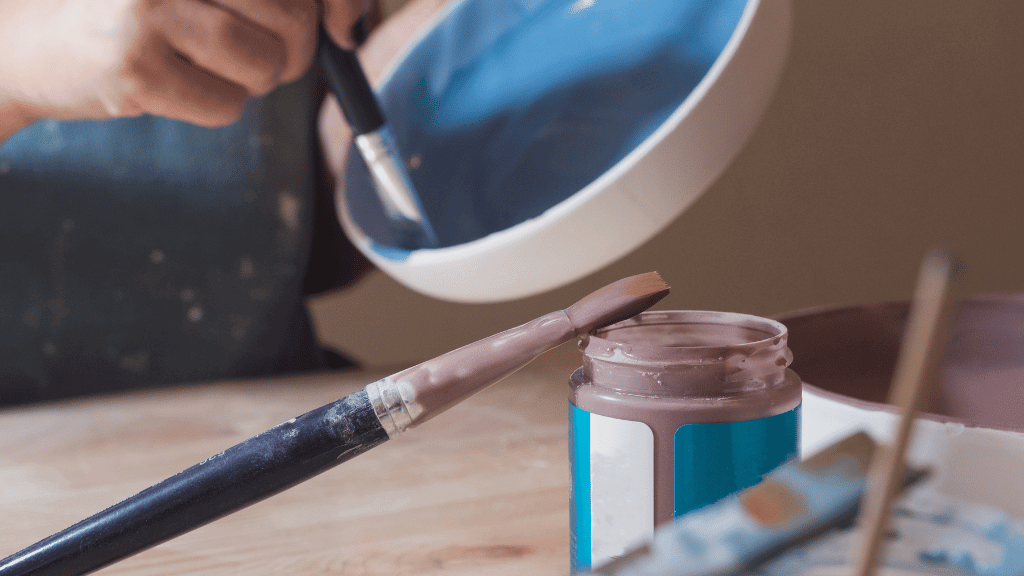
Pottery glazes cost anywhere from about $5 for a small 2 oz bottle of underglaze to $200 or more for a large bucket of premium commercial glaze. A typical mid-range glaze runs $15 to $40 per pint, and dry glaze powder you mix yourself usually works out cheaper per piece than pre-mixed liquid.
For a hobbyist glazing a few pieces a month, expect to spend roughly $50 to $150 per year on glaze. A production potter can easily spend several hundred dollars a year, which is why most pros eventually mix their own.
Typical Glaze Prices by Type and Size
Glaze prices depend mostly on three things: the type of glaze, the container size, and whether it comes pre-mixed or as dry powder. Here are the realistic ranges I see at pottery suppliers.
| Glaze product | Typical size | Typical price range |
|---|---|---|
| Underglaze | 2 oz bottle | $4 – $8 |
| Underglaze | Pint | $15 – $30 |
| Low-fire commercial glaze | Pint | $12 – $25 |
| Mid/high-fire commercial glaze | Pint | $15 – $40 |
| Commercial glaze | Gallon | $40 – $100+ |
| Specialty/effect glaze (crystalline, crawl, metallic) | Pint | $25 – $60 |
| Dry glaze mix | 5 – 10 lb bag | $20 – $60 |
| Raw materials for homemade glaze | Per dry pound, mixed | Often $1 – $3 |
Per piece, glaze is one of the cheaper parts of pottery. A pint covers roughly 15 to 30 mugs depending on how thick you apply it, so even a $30 pint works out to a dollar or two per pot. If you want the full picture of where the money really goes, see my breakdown of pottery costs.
What Makes One Glaze Cost More Than Another
Type of Glaze
Standard gloss and matte glazes are the cheapest category. Underglazes sit in the middle. Specialty glazes (crystalline, crawl, lava, metallic, and the layering glazes designed for dramatic effects) cost the most because of their formulation and colorants.
Colorants and Raw Materials
Color is the biggest hidden price driver. Reds, oranges, and bright yellows often rely on encapsulated cadmium stains, which are expensive to produce, so a red glaze can cost two or three times more than a comparable white or blue. Cobalt-based blues have also climbed in price as cobalt has gotten more expensive on the raw materials market.
Brand and Quality
Well-known brands charge more, but you’re partly paying for consistency: the glaze behaves the same from jar to jar, the fired color matches the chip on the label, and the food-safety testing has been done for you. Budget glazes can be perfectly fine, but expect more batch-to-batch variation.
Pre-Mixed vs. Dry Powder
Pre-mixed liquid glaze is convenience-priced. You’re paying to ship water. Dry glaze mix in a bag costs noticeably less per fired piece; you just add water, sieve it, and adjust the consistency yourself. If you go through glaze quickly, switching to dry mix is the single easiest way to cut your glaze bill.
Quantity and Packaging
Per ounce, a gallon is always cheaper than a pint, and a pint is cheaper than a 4 oz jar. The catch is shelf life and commitment. A gallon of a color you end up disliking is wasted money. Buy small to test, then size up on the glazes you keep reaching for.
Brush-On vs. Dipping Glazes: Which Is Cheaper?
Brush-on glazes in pint jars are the most expensive way to glaze per piece, but the cheapest way to get started. They suit small studios, detail work, and trying lots of colors.
Dipping glazes, mixed in a 2 to 5 gallon bucket from dry materials or dry commercial mix, cost far less per pot and are much faster to apply. A bucket of dipping glaze mixed from raw materials might cost $30 to $60 in ingredients and glaze hundreds of pieces.
My rule of thumb: if you fire more than one kiln load a month, set up at least one or two dipping buckets for your workhorse liner and exterior glazes, and keep brush-on jars for accents.
Firing Temperature and Cone Ratings Affect Cost
Every glaze is formulated to mature within a specific temperature range, marked by a cone number. Low-fire glazes are typically cone 06–04, around 1,830–1,945°F (999–1,063°C). Mid-fire glazes are usually cone 5–6, around 2,167–2,232°F (1,186–1,222°C). High-fire glazes run cone 9–10, around 2,300–2,345°F (1,260–1,285°C).
Two cost effects follow from this:
- The glaze itself: higher-fire glazes sometimes use different flux materials, but the price difference between low-fire and mid-fire commercial glazes is usually small.
- The firing: higher cones mean longer firings and more electricity, so a cone 10 habit costs more in power than the glaze price difference would suggest.
Always match the glaze’s cone rating to your clay body. A low-fire glaze taken to cone 6 will run off the pot and onto your kiln shelf, and a ruined shelf costs far more than any jar of glaze. The same matching logic applies to slips, which I cover in how much pottery slips cost.
Is It Cheaper to Make Your Own Glaze?
Yes — dramatically, once you’re past the startup hump. A basic mid-fire glaze made from silica, feldspar, kaolin, and whiting often costs $1 to $3 per dry pound in materials, versus $15 to $40 for a pint of commercial glaze. Mixed into a 10,000-gram bucket, a homemade base glaze can come out to pennies per pot.
The startup costs are real, though:
- A gram scale: $20 – $50
- An 80-mesh sieve: $20 – $40
- A starter set of raw materials: $100 – $250
- Buckets, a respirator, and dust management: $50 – $100
You’ll also spend time testing. Plan on running test tiles for several firings before a recipe is reliable on your clay. For a hobbyist firing occasionally, commercial glazes usually make more sense. For anyone selling work, mixing your own is one of the best margin improvements available, and worth factoring in when you decide how to price your pottery.
One safety note: dry glaze materials are a silica dust hazard. Always wear a properly fitted respirator rated for fine particulates when weighing and mixing dry ingredients, and wipe surfaces with a wet sponge rather than sweeping.
How to Spend Less on Glaze
- Buy 4 oz testers before committing to pints or gallons. Most brands sell sample sizes for a few dollars.
- Switch your two or three most-used glazes to dry mix or homemade dipping buckets.
- Glaze efficiently: pour or dip interiors instead of brushing three coats, and tongs-dip exteriors.
- Reclaim drips and rinse water from one glaze into its own bucket. Settled glaze can be sieved and reused.
- Split a gallon or a raw-materials order with studio mates to hit bulk pricing and share shipping.
- Store glaze well so it doesn’t go to waste. Most glazes last for years if sealed. I cover this in my post on whether pottery glaze expires.
Buying Online vs. at a Local Pottery Supplier
Online stores usually win on selection and sticker price, but glaze is heavy, and shipping liquid pints or 50 lb bags of raw materials can erase the savings. Many suppliers offer flat-rate or free shipping over a threshold, so batch your orders.
A local supplier saves shipping entirely, lets you see fired sample tiles in person, and the staff can usually warn you when a glaze is fussy. That advice is worth real money in ruined pots you never have to make. If you’re lucky enough to have a supplier within driving distance, buy your heavy items there and order specialty colors online.
Budgeting Glaze Into Your Overall Pottery Costs
Glaze is rarely the expense that breaks a pottery budget. Kilns, clay, and firing electricity all loom larger. A sensible starter glaze budget looks like this:
- One reliable clear or white liner glaze (pint): $15 – $25
- Two or three colors you’ll use often (pints): $40 – $90
- A few underglazes for decoration: $15 – $30
That’s roughly $70 to $145 to cover almost anything a beginner wants to make. Resist the urge to buy fifteen colors up front. Half of them will sit unused. If you’re weighing the hobby’s total price tag, I’ve written about whether pottery is an expensive hobby with the full numbers.
FAQ
How much does a pint of pottery glaze cost?
Most commercial brush-on glazes cost $15 to $40 per pint, with basic gloss and matte colors at the low end and specialty or red/orange colors at the high end. A pint typically glazes 15 to 30 mug-sized pieces.
Why are red glazes more expensive?
Bright reds, oranges, and yellows usually require encapsulated cadmium stains, which are costly to manufacture. That’s why a red glaze from the same product line often costs two to three times more than a white or blue.
Is it cheaper to make your own glaze or buy commercial glaze?
Making your own is far cheaper per pot, often $1 to $3 per dry pound of materials versus $15 or more for a commercial pint. But you’ll spend $200 to $400 on a scale, sieve, respirator, and starter materials, plus time testing recipes. Commercial glaze wins on convenience and consistency for occasional potters.
How long does pottery glaze last?
Sealed and stored away from freezing temperatures and direct sun, most glazes last for years. Liquid glaze that has dried out or thickened can usually be revived with water and a good sieving. Dry powder lasts essentially indefinitely if kept dry.
Can I save money buying glaze in bulk?
Yes. Gallons and dry bags cost much less per ounce than pints. Only buy bulk for glazes you’ve already tested on your clay body, though, because a gallon of a color that fires badly on your work is money down the drain.
Do higher-fire glazes cost more?
The glazes themselves are priced similarly to low-fire glazes, but firing to cone 9–10 at around 2,300–2,345°F (1,260–1,285°C) uses noticeably more electricity than a cone 06 firing, so the total cost per piece is higher.