
Best Pottery Dinnerware Sets for Your Dining Table
By Linda · · 11 min read
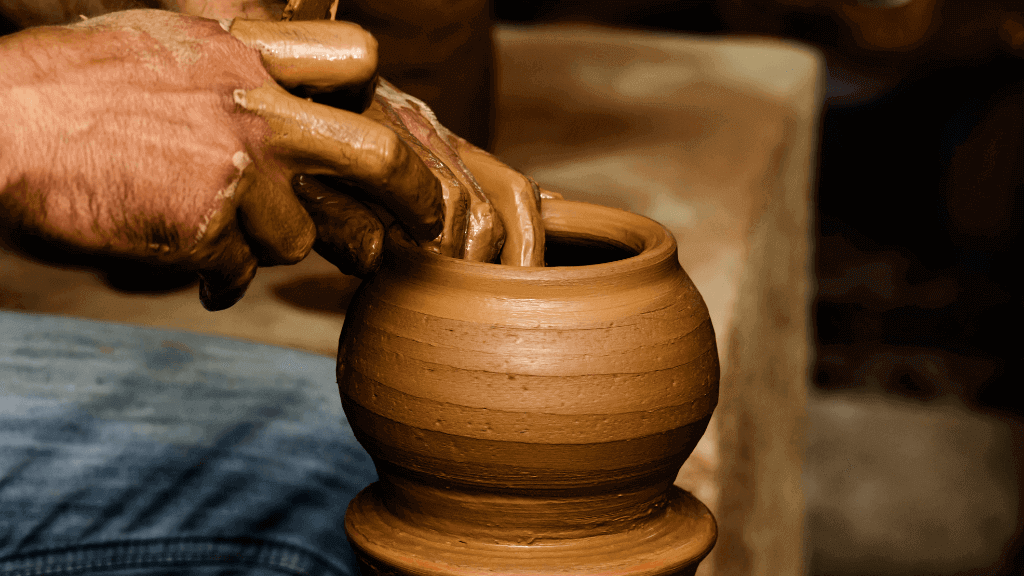
The best pottery dinnerware for everyday use is high-fired stoneware with a lead-free, food-safe glaze. It shrugs off the microwave, dishwasher, and oven, and it doesn’t chip the way earthenware does. My top pick in this category is handmade Polish pottery from Boleslawiec: it’s fired above 2,200°F (1,204°C), certified free of lead and cadmium, and the hand-painted patterns hold their color for decades.
When you’re comparing sets, three things matter most: the clay body (stoneware and porcelain are durable; earthenware is not), the glaze (it should be food safe and fully cover any surface that touches food), and how the pieces feel in your hand. Below are the plates I’ve tested and recommend, followed by a buying guide and answers to the questions I hear most often.
Best Pottery Dinnerware
I entertain a lot, and the right dinnerware makes a real difference at the table. The picks below lean heavily toward Polish stoneware, and that’s deliberate. After testing plates across several price points, the Boleslawiec pieces consistently came out ahead on durability, food safety, and looks.
Blue Rose Polish Pottery Garden Bouquet Dinner Plate

If you want one plate that can handle both weeknight dinners and company, this is the one I’d start with.
Pros
- Handmade in Poland with beautiful hand-painted patterns
- Safe to use in the microwave, dishwasher, freezer, and oven
- Made from stoneware that is free from lead and cadmium
Cons
- Only comes in one size (10-inch diameter)
- May chip or crack if not handled with care
- Only available in a few select patterns
I purchased a set of these plates and I’m very happy with them. The hand-painted patterns are unique and eye-catching, and because each one is painted by hand in Poland, no two plates are exactly alike. The stoneware body is free from lead and cadmium, which matters for anything that touches food daily.
The versatility is the real selling point. These plates go from the freezer to the oven to the table, and I’ve used them for everything from a quick weeknight dinner to a dinner party without a single issue.
The downsides: they only come in the 10-inch size, the pattern selection is limited, and like any pottery they can chip if you knock them against a hard edge. Treat them with normal care and they’ll last for years.
Polish Pottery Market Dinner Plate

The Polish Pottery Market Dinner Plate costs more than a department-store plate, but it earns the difference back in years of use.
Pros
- The high-fired clay makes the plate oven, dishwasher, stove, and microwave safe.
- The classic patterns work for both casual and formal occasions.
- The glaze makes the plate easy to clean. No long scrubbing sessions.
Cons
- The plate is a bit heavy, which may not be ideal for those with weak wrists.
- The size may be too big for smaller dishwashers or cabinets.
- The price may be steep for those on a budget.
In my experience, this plate earns its keep whether you entertain often or just want dinnerware that looks good every day. It’s functional and genuinely pretty, with classic patterns and rich color, and I regularly reheat leftovers on it in the microwave or warm food in the oven without worry.
The weight is the main tradeoff. Stoneware this sturdy is noticeably heavier than mass-produced porcelain, so handle a piece before buying a full set if that’s a concern. The quality justifies the price, but it is an investment.
Polmedia Polish Pottery Dinner Plate

The Polmedia Polish Pottery Dinner Plate is the one I’d pick if the cobalt swirl pattern speaks to you. It’s just as durable as the others here.
Pros
- Handmade and hand-painted in Boleslawiec, Poland by highly skilled artisans
- Lead and cadmium-free, making it safe for everyday use
- Microwave, dishwasher, oven, and freezer safe up to 480°F (249°C)
Cons
- Slightly heavier than other dinner plates
- May chip or crack if dropped on a hard surface
- Only available in one size
This plate impressed me with its quality. It’s handcrafted from natural white clay and painted by hand, so each plate is unique, and the cobalt swirl design is striking enough that pieces in this pattern are collected, not just used.
It’s safe in the microwave, dishwasher, oven, and freezer, which means leftovers can go straight from the fridge to reheating without switching dishes. The lead- and cadmium-free body and glaze make it safe for daily food contact.
The plate is slightly heavier than typical dinner plates, it can chip if dropped on tile or stone floors, and it comes in only one size. None of those have been dealbreakers for me.
Polish Pottery Plate (Blue Tulip Garden Theme)

If documented authenticity matters to you, the Polish Pottery Plate in the Blue Tulip Garden theme ships with a certificate of origin, and the plate itself holds up.
Pros
- Comes with a Certificate of Authenticity and origin, so you know what you’re getting.
- Handcrafted and hand-painted in Boleslawiec, Poland, making each piece unique.
- Microwave, dishwasher, and freezer safe, and oven safe up to 480°F (249°C).
Cons
- The plate is relatively small at 7.52 inches, which may not suit larger portions.
- The blue tulip garden design may not be to everyone’s taste.
- It’s relatively expensive compared to mass-produced dinnerware.
This is the plate I’d point you toward if you want a salad or lunch plate rather than a full dinner plate. At 7.52 inches it’s on the small side, so check the dimensions before ordering.
Polish pottery in general is known for its versatility in the kitchen and on the table. The stoneware resists abrasion, distributes heat evenly for baking, and the glazed surface is nonstick enough that cleanup is quick. If you’re wondering about baking in it, I’ve covered the details in whether Polish pottery can go in the oven.
The bright patterns never fade and come in thousands of variations to mix and match. The pottery is fired in electric and gas kilns at temperatures exceeding 2,200°F (1,204°C), roughly cone 6, which vitrifies the clay and produces stoneware built to resist aging.
Boleslawiec pottery is handcrafted and hand-painted using the naturally occurring white clay of that region of Poland, which artisans have worked for centuries. Each piece is formed and painted by hand. The most intricate patterns (called UNIKAT patterns) bear the artist’s signature and command higher prices.
Polish Pottery Market Dinner Plate

I highly recommend the Polish Pottery Market Dinner Plate in the Mosaic Flower Pattern.
Pros
- Beautifully molded and painted by hand, with colors that match the product photos.
- Made of Boleslawiec white clay, which makes it durable and resistant to chipping.
- Oven, dishwasher, stove, and microwave safe.
Cons
- Slightly heavier than other dinner plates due to its sturdiness.
- Higher price point than mass-produced plates, though the quality justifies the cost.
- Only available in one size.
In my experience, this plate works equally well for everyday meals and special occasions. The intricate Mosaic Flower Pattern makes it a standout on the table, and it’s easy to clean, a real plus for busy households.
Stoneware vs. Porcelain vs. Earthenware
The clay body determines how your dinnerware behaves more than anything else. Here’s how the three common types compare:
| Feature | Stoneware | Porcelain | Earthenware |
|---|---|---|---|
| Firing temperature | ~2,167–2,381°F (1,186–1,305°C), cone 5–10 | ~2,280–2,420°F (1,249–1,327°C), cone 8–12 | ~1,828–1,945°F (998–1,063°C), cone 06–04 |
| Durability | Very durable, chip-resistant | Strong but thinner; can chip at edges | Most fragile, chips easily |
| Water absorption | Very low (vitrified) | Essentially zero | Porous unless fully glazed |
| Weight | Heavy | Light | Medium |
| Microwave/dishwasher | Yes, if glaze is food safe | Yes (avoid metallic trim) | Often hand-wash only |
| Typical cost per place setting | $30–$100 | $40–$200+ | $15–$50 |
| Best for | Everyday dinnerware | Formal sets, fine dining | Decorative pieces, occasional use |
For daily dinnerware, stoneware is the sweet spot: it’s fired hot enough to vitrify, so it won’t absorb water or harbor bacteria, and it survives the dishwasher and microwave for years. Porcelain is the choice if you want something lighter and more formal, while earthenware is best kept for serving pieces and decoration unless you’re prepared to baby it.
How to Tell If Pottery Dinnerware Is Food Safe
Every plate on this list is certified lead- and cadmium-free, but if you’re buying handmade dinnerware from a market, an estate sale, or an individual potter, do a little homework first:
- Ask the maker what glaze they used and whether it’s rated food safe. Reputable potters know and will tell you.
- Be cautious with vintage and imported pieces made before modern lead regulations. Older glazes, especially bright orange, red, and yellow ones, sometimes contain lead.
- Inexpensive lead test swabs from the hardware store give a quick yes/no on glazed surfaces.
- Skip pieces with crazing (fine cracks in the glaze) for food use. The cracks trap moisture and bacteria.
I’ve written a full walkthrough on how to tell if pottery is food safe if you want the complete checklist, including what to do with unglazed surfaces.
Buying Guide
Here are the features I weigh before recommending any pottery dinnerware:
Material
Pottery dinnerware can be made from stoneware, porcelain, or earthenware. Stoneware is durable and chip-resistant, porcelain is thinner and more refined, and earthenware is the most affordable but the least durable. For a set you’ll use every day, choose stoneware or porcelain.
Design
Pottery dinnerware comes in everything from solid rustic glazes to intricate hand-painted patterns. Pick something that complements your kitchen and that you won’t tire of. A busy pattern is charming at first, but it lives on your table every night. Also look at the shape: a slight rim keeps sauces contained, and a flat well makes cutting easier.
Durability
Look for dinnerware that is chip-resistant, scratch-resistant, and rated microwave and dishwasher safe. Weight matters too: heavy stoneware is sturdy but can be tiring to handle for children and older adults, and a full stack is genuinely heavy in the cabinet.
Size
A standard set includes four to six place settings, which suits a small family. If you entertain often, buy eight or more, and buy from a pattern line that stays in production so you can replace broken pieces later. Check plate diameters against your dishwasher racks and cabinet shelves; 11-inch dinner plates don’t fit everywhere.
Price
Realistic price ranges: mass-produced stoneware sets run roughly $60–$150 for service for four; handmade or imported pieces like Polish pottery typically cost $20–$50 per plate; and porcelain sets span from $100 to several hundred dollars. More expensive usually does mean more durable, but mid-range stoneware is the best value for most households.
What can go wrong
The most common failures I see are chips from stacking plates carelessly, thermal shock cracks from moving a cold plate into a hot oven, and faded decals on cheaply decorated ware after months of dishwasher cycles. Hand-painted, high-fired pottery avoids the last problem entirely — the color is under the glaze and can’t wash off.
Caring for Pottery Dinnerware
Quality stoneware needs very little special treatment, but a few habits extend its life:
- Most high-fired stoneware is dishwasher safe, but confirm the maker’s rating. I cover the nuances in can pottery go in the dishwasher.
- Avoid thermal shock: don’t move dinnerware straight from the freezer into a preheated oven. Let it come toward room temperature first.
- Skip steel wool and harsh abrasives; a nylon scrubber handles stuck-on food without scratching the glaze.
- For stubborn stains or gray metal marks from cutlery, a paste of baking soda and water usually lifts them. More tricks are in my guide to cleaning glazed ceramic pottery.
- If a treasured piece chips or breaks, it can often be repaired for display (see my guide to the best glue for fixing pottery), but repaired pieces shouldn’t go back into food service.
FAQs on Best Pottery Dinnerware
What is pottery dinnerware?
Pottery dinnerware refers to plates, bowls, and cups made from clay and fired at high temperatures in a kiln. It can be made from stoneware, earthenware, or porcelain, and each clay body has its own durability, texture, and look.
What are the benefits of using pottery dinnerware?
It’s durable and tolerates high heat, so quality pieces are oven, microwave, and dishwasher safe. Handmade pottery also has texture and color variation that mass-produced dinnerware can’t match, and it’s made from natural materials without the plastics found in melamine ware.
Is pottery dinnerware microwave safe?
High-fired stoneware and porcelain with a food-safe glaze are generally microwave safe, but unglazed or low-fired pottery can absorb water and overheat or crack. Avoid anything with metallic decoration. I go deeper on the warning signs in is pottery microwave safe.
How do I choose the best pottery dinnerware set?
Pick the material first (stoneware for everyday durability, porcelain for formal lightness), then confirm the glaze is lead- and cadmium-free, then choose a design you’ll still like in five years. Make sure the set is rated microwave, oven, and dishwasher safe, and that the plate sizes fit your dishwasher and cabinets.
How do I care for my pottery dinnerware?
Wash with mild soap and a non-abrasive sponge. Most high-fired stoneware also tolerates the dishwasher. Avoid sudden temperature swings, dry with a soft cloth or air dry, and store stacked plates with care so the foot rings don’t scratch the glaze below.
Is handmade pottery safe to eat from?
Yes, as long as the glaze is food safe and fully fired. Buy from potters who use lead-free glazes, avoid food contact with crazed or flaking glaze, and test vintage pieces before serving from them. Unglazed surfaces are a separate question, and I cover that in is unglazed pottery food safe.