
How Much does Pottery Clay Cost?
By Linda · · 7 min read
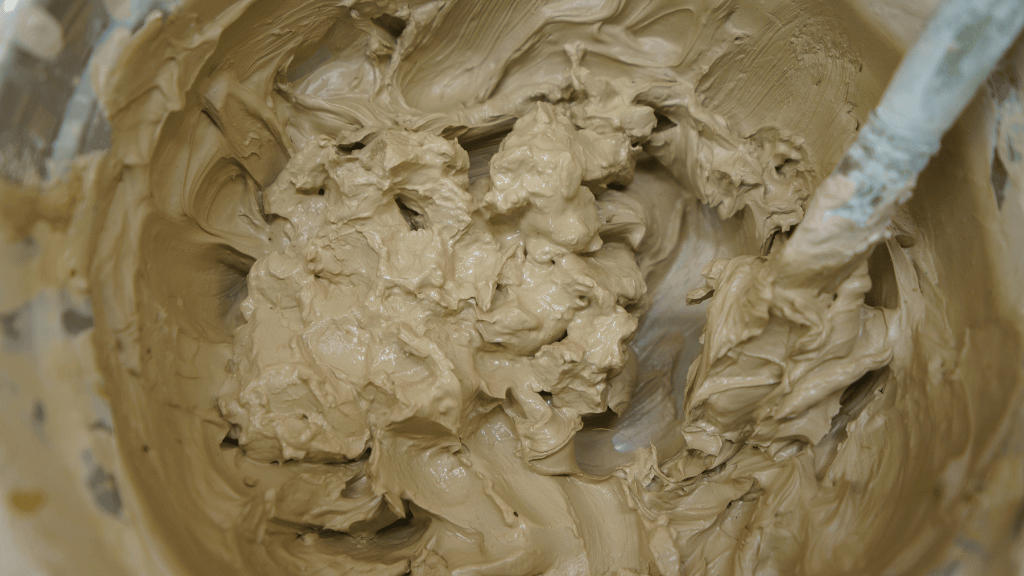
Pottery clay costs roughly $0.50 to $2.00 per pound. Most studios and suppliers sell it in 25-pound bags, so expect to pay about $15 to $35 per bag depending on the clay body.
Earthenware and basic stoneware sit at the low end, porcelain at the high end. Buying in bulk, picking up locally instead of shipping, and reclaiming your scraps all bring the real cost per pound down, sometimes well below $0.50.
Clay Cost Per Pound by Type
Here’s what I’d expect to pay at a typical ceramic supplier for moist, ready-to-throw clay:
| Clay Type | Cost Per Pound | Typical 25 lb Bag | Best For |
|---|---|---|---|
| Earthenware | $0.50–$1.00 | $13–$25 | Beginners, hand-building, terracotta work |
| Stoneware | $0.60–$1.25 | $15–$30 | Functional ware: mugs, bowls, plates |
| Porcelain | $1.00–$2.00 | $25–$50 | Experienced potters, fine translucent work |
| Specialty bodies (raku, sculpture, paper clay) | $1.00–$2.50 | $25–$60 | Specific firing methods and large sculptural pieces |
Dry clay (powder you mix yourself) usually runs cheaper per pound than pre-mixed moist clay, but you’ll spend time and effort mixing it to a workable consistency. For most hobby potters, moist clay in the bag is worth the small premium.
To put the numbers in perspective: a standard mug takes about 1 pound of clay. A 25-pound bag yields roughly 20–25 mugs, which works out to well under $1 of clay per finished piece. Clay is genuinely the cheapest part of pottery — it’s the equipment, glazes, and firing that add up.
Factors That Influence Pottery Clay Costs
Type of Clay
Different clay bodies use different raw materials. Porcelain relies on kaolin, which is more refined and more expensive than the ball clays and fire clays that make up most stoneware and earthenware bodies. If you’re not sure which body suits your work, my guide to what type of clay is used for pottery breaks down the options.
Quality and Form
Pre-formulated, de-aired, pugged clay costs more than dry mix because the supplier has done the work for you. Smooth, grog-free bodies for wheel throwing also tend to cost slightly more than coarse sculpture bodies.
Quantity
Price per pound drops as quantity goes up. A single 25 lb bag might cost $20, but buy 10 bags and many suppliers knock 10–20% off. Order by the half-ton or ton and the per-pound price can fall under $0.50.
Where You Buy
A local ceramic supplier almost always beats online prices once shipping enters the picture. Craft stores (the big-box kind) charge the most, sometimes $3–$5 per pound for small 5 or 10 lb blocks. I cover the best sources in where to buy clay for pottery.
Shipping: The Hidden Cost of Buying Clay
Clay is heavy. A 25-pound bag can easily cost $15–$30 to ship, as much as the clay itself.
If you have to order online, a few ways to soften the blow:
- Order enough at once to qualify for free-shipping thresholds or flat-rate freight.
- Split a pallet order with other potters in your area or your studio.
- Ask your local studio or community center if they’ll add bags to their regular supplier order. Many will.
If there’s a ceramic supplier within driving distance, pick up in person. The gas almost never costs more than freight on a 50-pound order.
Choosing the Right Clay for Your Budget and Skill Level
Cost per pound matters less than choosing a clay that matches your firing setup and skill level. A cheap bag of cone 10 stoneware is wasted money if your kiln only reaches cone 04.
Earthenware
Earthenware fires low, typically cone 06 to 04, around 1,830–1,940°F (1,000–1,060°C). It’s affordable, forgiving, and a good match for beginners and for kilns that don’t reach stoneware temperatures. The trade-off: fired earthenware stays porous and chips more easily than stoneware.
Stoneware
Stoneware fires in the cone 5 to cone 10 range, roughly 2,165–2,380°F (1,185–1,305°C). It costs a little more than earthenware but produces durable, vitrified ware that’s typically dishwasher and microwave safe. This is what I recommend for anyone making functional pottery.
Porcelain
Porcelain fires from cone 6 up to cone 10, about 2,230–2,380°F (1,220–1,305°C), and costs the most per pound. It’s also less forgiving on the wheel. It slumps and cracks more readily, so beginners often waste more of it. Save porcelain for when your throwing skills are solid, or budget for some losses while you learn.
How to Spend Less on Clay
Reclaim Every Scrap
Unfired clay is 100% recyclable. Trimming scraps, failed pots, and slop from your throwing bucket can all be dried, slaked down in water, and wedged back into workable clay. Beginners recycle far more clay than they fire, so steady reclaiming stretches every bag a long way.
Buy in Bulk and Split Orders
Clay stores for years if kept sealed, so there’s little risk in buying ahead. If a half-ton is more than you’ll use, split it with studio mates so everyone gets the bulk price.
Watch for Sales and Seconds
Suppliers periodically discount discontinued clay bodies or slightly stiff bags. Stiff clay is fine. Wedge in a little water or let it sit wrapped with a damp towel and it comes right back.
Store It Properly
Keep clay in its sealed bag inside a lidded bin, away from freezing temperatures and direct sun. Clay that dries out isn’t ruined, but rehydrating it is work you didn’t need to create. If your clay smells funky or grows a little mold, don’t toss it. That’s organic material breaking down, and it improves plasticity.
Alternative Clay Options
Air-Dry Clay
Air-dry clay skips the kiln entirely, which makes it the cheapest entry point if you don’t have firing access. Expect $1–$3 per pound in craft stores. Finished pieces aren’t food-safe or waterproof, so treat it as a way to practice hand-building techniques, not a substitute for fired ware.
Digging or Making Your Own
Natural clay deposits are common, and processing your own dug clay costs almost nothing but time. It takes screening, slaking, and testing to get a usable body, and the results vary. But it’s free clay if you enjoy the process. I walk through it in how to make pottery clay and can you use clay from the ground for pottery.
Clay in the Context of Total Pottery Costs
Clay is the smallest line item in a pottery budget. Glazes typically cost far more per piece (see how much pottery glazes cost), and kiln firing, tools, and studio access dwarf both. If you’re weighing the full picture before committing, my breakdown of whether pottery is an expensive hobby covers everything from wheels to kiln electricity.
The practical takeaway: don’t pinch pennies on clay. The difference between a $15 bag and a $25 bag is ten dollars spread over 20+ pieces. Buy the clay body that suits your work, and save your bargain-hunting for equipment.
FAQ
How much does clay cost per pound?
Moist pottery clay costs about $0.50–$2.00 per pound from a ceramic supplier, sold mostly in 25 lb bags. Earthenware and stoneware run $0.50–$1.25 per pound; porcelain runs $1.00–$2.00. Craft-store clay in small blocks can cost $3–$5 per pound, which is why I always point people to a real ceramic supplier.
How much clay do I need for a mug or bowl?
A standard mug takes about 1 pound of clay; a medium bowl takes 1.5–3 pounds. A 25 lb bag covers roughly 20–25 mugs, so the clay in each finished mug costs well under a dollar.
Is it cheaper to buy pottery clay online or locally?
Locally, almost always. Clay’s weight makes shipping expensive, often $15–$30 for a single bag, doubling your cost. Online ordering only makes sense for clay bodies you can’t get nearby, or for large orders that ship freight at a reasonable per-pound rate.
Can pottery clay be reused to save money?
Yes. Any clay that hasn’t been fired can be reclaimed: dry the scraps, slake them down in water, spread the slop on a plaster bat to stiffen, then wedge it back to throwing consistency. Reclaiming is one of the easiest ways to stretch a clay budget.
Does pottery clay go bad or expire?
No. Sealed clay keeps indefinitely, and aged clay throws better because plasticity improves over time. Clay that dries out can be rehydrated, and clay that freezes can be re-wedged once thawed. The only clay you can’t recover is clay that’s been fired.
What’s the cheapest clay for beginners?
Low-fire earthenware or a basic mid-range stoneware, at $0.50–$1.00 per pound. Both are forgiving to work with, and stoneware has the edge if you want functional dishes. Skip porcelain until your skills catch up. Its higher price stings more when pieces fail.