
How To Fire Pottery at Home
By Linda · · 9 min read
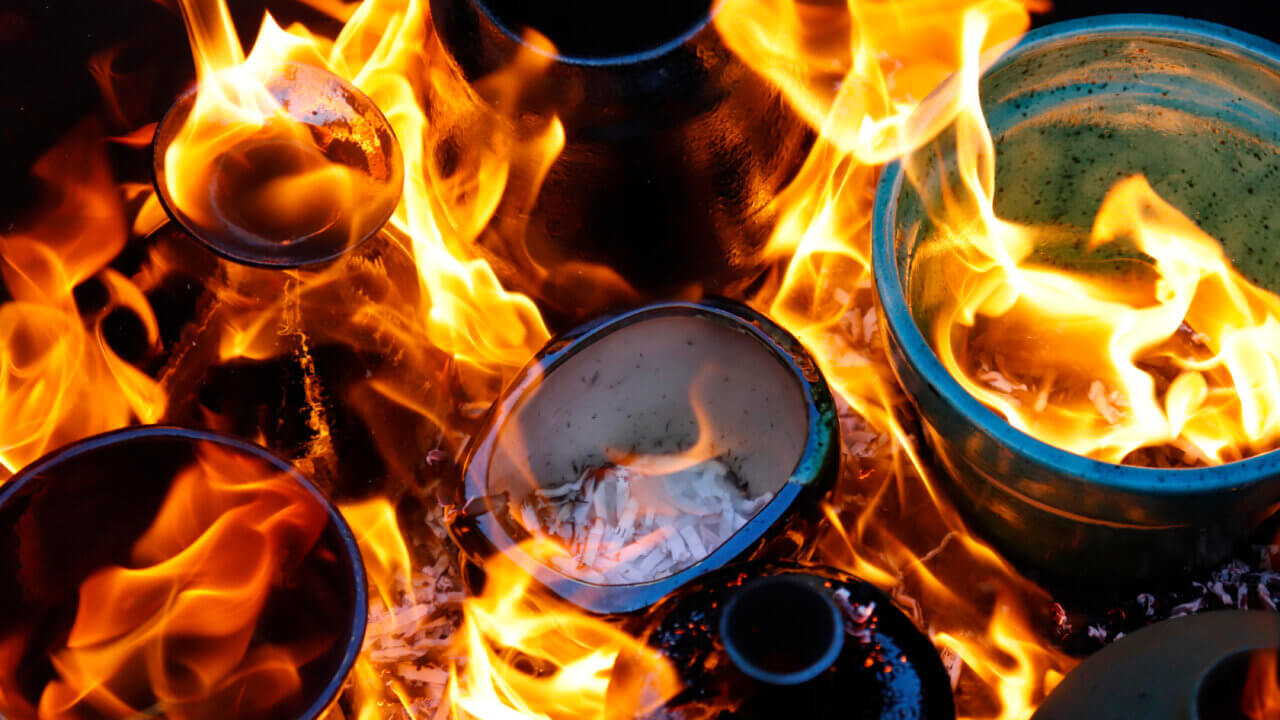
To fire pottery at home, you need a kiln. Electric is the practical choice for most home studios. Let your pieces dry completely (usually 1-2 weeks), load them onto kiln shelves with at least 1 inch of space between pieces, then bisque fire slowly to around cone 04 (1,945°F / 1,063°C). After glazing, fire a second time to your clay’s maturity, typically cone 6 (2,232°F / 1,222°C) for mid-fire stoneware. Let the kiln cool naturally — opening it early is the fastest way to crack a whole load.
That’s the short version. Below I’ll walk through each step in detail, including the firing schedules I use, what the whole setup costs, and the mistakes that ruin pots.
Choosing the Right Kiln for Firing Pottery
For a home setup, an electric kiln is almost always the right answer. It plugs into your house wiring (small models run on a standard 120V outlet; most need a 240V circuit like a dryer or oven uses), holds a precise schedule, and doesn’t require fuel storage or special permits in most areas.
Gas kilns give you atmosphere control for reduction effects like copper reds and shino glazes, but they need outdoor installation or serious ventilation, plumbing for the fuel line, and more skill to operate. I’d only recommend gas if you’ve already fired one at a studio and know that’s the look you want.
Size-wise, think small. A test kiln of about 0.5-1 cubic foot handles cups, bowls, and jewelry. A 2-3 cubic foot kiln covers most hobby work. Bigger kilns take longer to fill, and firing a half-empty kiln wastes electricity.
Expect to pay roughly $400-$800 for a small test kiln, $1,500-$3,000 for a mid-size hobby kiln with a digital controller, and more for large or production models. Used kilns can be a good deal if the bricks and elements are sound. I cover what to check in my guide to how much a pottery kiln costs.
| Kiln type | Best for | Typical cost | Power/fuel | Difficulty |
|---|---|---|---|---|
| Small electric (120V) | Test tiles, jewelry, small pieces | $400-$800 | Standard outlet | Easy |
| Mid-size electric (240V) | Most home studios | $1,500-$3,000 | Dedicated circuit | Easy-moderate |
| Gas | Reduction glazes, larger work | $2,000+ plus installation | Propane or natural gas | Advanced |
| Pit/barrel/raku | Decorative low-fire work | Under $200 in materials | Wood or propane | Moderate, weather-dependent |
If a kiln isn’t in the budget yet, there are workable alternatives, which I cover in my guide on how to fire pottery without a kiln. Just know that a kitchen oven tops out around 500°F (260°C) and cannot fire clay; it only works for oven-bake polymer “clay,” which isn’t ceramic.
Where to Put a Kiln at Home
A garage, basement with ventilation, or covered outdoor area all work. Wherever you put it:
- Keep at least 12-18 inches of clearance from walls and anything flammable, and set the kiln on a non-combustible surface like concrete or a kiln stand.
- Ventilation is non-negotiable. Firing releases fumes (sulfur compounds, carbon monoxide, and burning organics during bisque). Use a downdraft vent system or fire in a space with strong cross-ventilation, and keep people and pets out of the room during firing.
- Check the electrical requirements before you buy. Many kilns need a dedicated 240V circuit at 30-50 amps, which may mean an electrician visit ($200-$800 is a realistic range for adding a circuit).
- Call your home insurance company. Most are fine with a properly installed kiln, but it’s better to know up front.
Preparing Your Pottery for Firing
Your pottery must be bone dry before it goes in the kiln. Bone dry means the piece feels room temperature against your cheek. If it feels cool, there’s still moisture inside. For most pieces that takes 1-2 weeks of air drying; thick-walled or large work can take longer.
Firing damp clay is the number one cause of blown-up pots. Water trapped inside turns to steam at 212°F (100°C), and the pressure shatters the piece, usually taking neighboring pots with it. I explain the full mechanics in why pottery explodes in the kiln.
A few other prep checks before loading:
- Walls and bottoms thicker than about 1 inch should be hollowed or dried extra long.
- Compress and smooth joints on handles and attachments. Weak joints crack in the fire.
- If you’re unsure whether a piece is dry enough, wait another two days. Clay can’t be too dry to fire, only too wet.
How to Load Your Kiln
Place pieces on kiln shelves coated with kiln wash, using kiln posts to build levels. Keep at least 1 inch between pieces and between pieces and the elements or thermocouple.
For a bisque firing, greenware can touch and even be stacked or nested, since there’s no glaze to fuse. For a glaze firing, nothing can touch. Glazed surfaces will weld together wherever they make contact, and glaze must be wiped clean off the bottom of every piece (or the piece set on stilts) so it doesn’t fuse to the shelf.
Load heavier, flatter pieces low and lighter pieces higher. Leave the area directly around the thermocouple clear so it reads accurately.
Kiln Safety Precautions
Don’t overload the kiln, keep flammables well away, and vent the room. Never leave a firing kiln fully unattended. Check on it periodically, especially near the end of a glaze firing. Wear heat-resistant gloves and safety glasses when peeking at cones through the spy hole, and never look into a glowing kiln without eye protection.
The Firing Process: Bisque Firing Step by Step
Bisque is the first firing. It drives out water and burns off organic matter, turning fragile greenware into hard, porous ceramic ready to absorb glaze. Most potters bisque to cone 06-04, which is 1,828-1,945°F (998-1,063°C). Here’s a typical schedule for a digital controller:
- Candling (optional but smart): hold at 180-200°F (82-93°C) for 2-6 hours to drive off any last moisture. I always candle thick or freshly dried work overnight.
- Slow ramp: 150-200°F (about 80-110°C) per hour up to 1,000°F (538°C). This is the danger zone, when water and organics are leaving the clay.
- Medium ramp: 250-400°F (about 140-220°C) per hour up to the final temperature.
- Final temperature: cone 04, roughly 1,945°F (1,063°C).
A full bisque firing takes 8-12 hours plus roughly the same again to cool. If you want a deeper breakdown of timing, see how long pottery takes to fire.
The Glaze Firing
After bisque, glaze your pieces, let the glaze dry to the touch, and fire a second time to the temperature your clay and glaze are rated for:
- Low-fire (earthenware): cone 06-04, 1,828-1,945°F (998-1,063°C)
- Mid-fire (most stoneware): cone 5-6, 2,167-2,232°F (1,186-1,222°C)
- High-fire (stoneware/porcelain): cone 9-10, 2,300-2,345°F (1,260-1,285°C)
Glaze firings can ramp faster than bisque early on (the chemical water is already gone), but many potters add a short hold or slow cool at the top to smooth out glazes. Match your clay and glaze: a low-fire glaze on cone 6 clay will run off the pot, and cone 6 clay fired to cone 10 can slump or bloat. My guide on glazing pottery at home covers application in detail.
Monitoring and Recording Firings
A digital controller handles the schedule, but always back it up with witness cones (small pyrometric cones placed on the shelf that bend when the correct heatwork is reached). Thermocouples drift with age; cones don’t lie. Keep a firing log noting the schedule, cone results by shelf, and how the glazes came out. It’s the cheapest insurance you can buy against repeating mistakes.
Cooling and Unloading
Let the kiln cool on its own with the lid closed and peeps in until it’s below about 200°F (93°C). For a mid-size kiln that’s 12-24 hours after the firing ends. Opening early causes thermal shock: glazes craze and pots crack with a faint ping you’ll learn to dread.
Unload with clean, dry hands or gloves, and check the bottoms of glazed pieces for sharp drips before stacking them.
Maintaining Your Kiln
A little upkeep keeps firings consistent:
- Refresh kiln wash on shelves whenever it flakes or a glaze drip is chipped off.
- Vacuum the kiln interior and element grooves between firings with a soft brush attachment.
- Inspect elements for sagging or corrosion; expect to replace electric elements every 100-200 firings depending on temperature.
- Replace cracked shelves and crumbling bricks before they fail mid-firing.
What Firing at Home Costs Per Firing
Electricity for a mid-size electric kiln typically runs a few dollars to around $15 per firing depending on kiln size, target cone, and your local rates. Bisque firings cost less than glaze firings because the top temperature is lower. Add consumables: kiln wash, witness cones (under $1 each), and gradual wear on elements and shelves. Compared to paying a studio $20-$60 per firing or by the piece, a home kiln pays for itself surprisingly fast if you make work regularly. Until then, community studios and kiln-firing services will fire your work for a fee.
FAQs on Firing Pottery at Home
Can I fire pottery without a kiln?
You can pit fire, barrel fire, or raku fire low-fire clay outdoors, and these methods produce beautiful smoke-marked surfaces. But they’re unpredictable, reach only low temperatures, and the results are decorative, not watertight or food-safe. A kitchen oven cannot fire real clay at all; it doesn’t get anywhere near hot enough.
What temperature do I fire pottery at home?
Bisque fire to cone 06-04 (1,828-1,945°F / 998-1,063°C). Glaze fire to the cone rating on your clay bag. Most home potters use mid-fire clay at cone 6 (2,232°F / 1,222°C). Always match the clay, the glaze, and the firing temperature to each other.
What’s the difference between bisque and glaze firing?
Bisque is the first, lower-temperature firing that hardens raw clay and leaves it porous so glaze can stick. Glaze firing is the second, hotter firing that melts the glaze into a glassy surface and matures the clay. Bisque ramps slowly because moisture and organics are burning out; glaze firings can move faster.
How long does it take to fire pottery at home?
Plan on 8-12 hours for the firing itself and another 12-24 hours of cooling before you can open the kiln. Start to finish, each firing occupies the kiln for one to two days, and every glazed piece needs two firings.
Is it safe to have a kiln in my house?
Yes, with the right setup: a dedicated circuit installed to the kiln’s amperage requirements, non-combustible flooring, 12-18 inches of clearance, and active ventilation to remove fumes. Keep kids and pets out of the kiln room during firing, and don’t run a firing while you’re away from home.
Can I fire multiple pieces together in one firing?
Yes, that’s the whole point of shelves and posts. Greenware can touch or nest in a bisque firing. In a glaze firing, pieces need at least a finger’s width of separation, because any glazed surfaces that touch will fuse permanently.