
Is Pottery An Expensive Hobby?
By Linda · · 7 min read
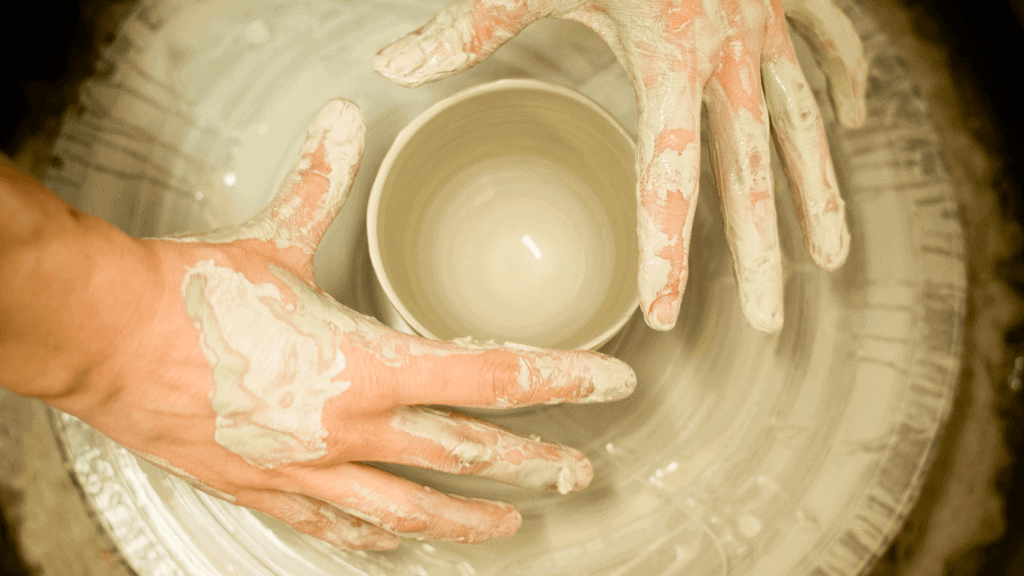
Pottery can be an expensive hobby, but it doesn’t have to be. If you take classes or join a community studio, expect to spend roughly $40–$200 per month, and the studio supplies the wheel, kiln, and glazes. If you build a home studio, the upfront cost is much higher: a used wheel and small kiln together typically run $1,000–$2,500, and a fully equipped setup with new equipment can reach $4,000–$5,000 or more.
The good news is that pottery is front-loaded. Once you own the big equipment, your ongoing costs drop to clay, glaze, and firing, often $20–$60 a month for a casual hobbyist. The expensive part is the first year, not every year.
How expensive is pottery as a hobby, really?
It depends almost entirely on how you access a kiln. The kiln is the one piece of equipment you can’t fake, and it drives most of the cost difference between potters.
Here are the three common paths, with realistic numbers:
| Path | Upfront cost | Ongoing cost | Best for |
|---|---|---|---|
| Classes / paint-your-own studios | $0–$50 (tools) | $25–$75 per session | Trying pottery out |
| Community studio membership | $50–$150 (tools, apron) | $40–$200/month | Regular hobbyists |
| Home studio | $1,000–$5,000+ | $20–$60/month | Committed potters |
Most people I know start with a class, move to a membership, and only buy a kiln after a year or two, once they’re sure the hobby will stick. That sequence keeps you from spending thousands on equipment you might use twice.
What you’ll spend in your first year
If you take the studio route, a realistic first year looks like this:
- A beginner wheel course (6–8 weeks): $150–$400, usually including clay and firing. I break down typical rates in how much pottery classes cost.
- A basic tool kit (rib, wire, needle tool, sponge, trimming tools): $15–$40. See how much pottery tools cost for what’s worth buying.
- Extra clay beyond what the class includes: $15–$30 per 25 lb bag of stoneware, covered in detail in how much pottery clay costs.
- A studio membership after the course ends: $40–$200/month depending on your city.
Total: somewhere between $500 and $1,500 for a first year of regular practice. That’s comparable to a gym membership, and cheaper than hobbies like golf, photography, or skiing once you count their gear and fees.
What a home pottery studio costs
Setting up at home is where pottery earns its expensive reputation. Here’s what the major pieces run:
- Pottery wheel: $400–$1,500 new for a reliable electric wheel; used wheels often go for $200–$700. Cheap tabletop wheels under $200 exist, but they frustrate most adults. The motors stall under centering pressure.
- Kiln: $700–$3,000 for a small-to-mid electric kiln, plus $300–$1,500 for an electrician to install a 240V circuit if you don’t have one. Most hobby kilns fire to cone 6, around 2,232°F (1,222°C).
- Glazes: $10–$25 per pint of commercial glaze; a starter palette of 5–6 colors runs $60–$150. Mixing your own from raw materials is far cheaper per pot but needs scales, buckets, and test tiles. I cover the math in how much pottery glazes cost.
- Wedging table, shelving, ware boards, buckets: $100–$300 if you improvise; more if you buy purpose-built furniture.
For the full equipment picture, see how much pottery equipment costs. And budget for upkeep too. Kiln elements, wheel belts, and shelf wash wear out, which I cover in the costs of maintaining pottery equipment.
One more line item people forget: electricity. A small electric kiln firing to cone 6 typically uses on the order of 20–60 kWh per firing, so each glaze firing costs a few dollars depending on your local rates. It’s noticeable, but not the budget-killer people fear.
How to do pottery on a budget
Pottery has more cheap entry points than most people realize. These are the ones I recommend to my own students:
- Join a community studio instead of buying equipment. A $75/month membership gives you access to wheels, kilns, and glazes that would cost thousands to own. If you’re weighing renting versus building, my post on pottery studio space costs compares the options.
- Hand-build before you buy a wheel. Pinch pots, coils, and slabs need nothing but clay, your hands, and a few dollar-store tools. Plenty of professional ceramicists never touch a wheel.
- Buy used. Wheels and kilns hold up for decades. Estate sales, school district auctions, and ceramics guild noticeboards regularly turn up working wheels at half retail. Always test-fire a used kiln (or at least check the elements and wiring) before paying.
- Pay for kiln rental by the piece. Many studios and some potters fire outside work for $5–$20 per piece or a per-shelf rate. That delays the kiln purchase indefinitely.
- Reclaim your clay. Scraps and failed pots that haven’t been fired can be slaked down, dried on plaster, and re-wedged. Diligent reclaiming can cut your clay bill nearly in half.
- Start with air-dry clay for practice. It won’t make functional ware, but it’s a near-free way to practice hand-building forms before committing to firing costs.
What I’d skip: ultra-cheap glaze sets from general craft stores for functional ware. If a glaze isn’t labeled food-safe and fired to its rated cone, don’t use it on anything that touches food.
Pottery costs compared to other hobbies
Pottery sits in the middle of the hobby-cost spectrum. It’s clearly pricier than knitting, drawing, or papercraft, where $50 covers months of materials. But it compares well against hobbies people rarely call expensive:
| Hobby | Typical startup | Typical ongoing |
|---|---|---|
| Knitting / drawing | $20–$100 | $10–$30/month |
| Pottery (studio member) | $200–$500 | $50–$200/month |
| Photography | $500–$2,000 | $20–$100/month |
| Golf | $300–$1,500 | $100–$400/month |
| Pottery (home studio) | $1,500–$5,000 | $20–$60/month |
The pattern worth noticing: pottery’s ongoing costs are low relative to its startup costs. A bag of clay costs less than a single round of golf and yields 15–25 mugs’ worth of work.
Can selling pottery offset the cost?
Yes. Plenty of hobbyists cover their clay and firing bills by selling at local markets, on Etsy, or to friends. A handmade mug commonly sells for $25–$45, and the material cost in that mug is usually $2–$5. The catch is your time: throwing, trimming, drying, bisque firing, glazing, and glaze firing means each finished mug represents days of elapsed time and real labor.
If you go this route, price deliberately rather than guessing. I walk through the formula in how to price your pottery work. And be aware of the tax side: in the US, if the IRS treats your selling as a hobby rather than a business, you generally can’t deduct expenses or claim losses. For the bigger picture on turning pots into income, see can you make money selling pottery.
My honest advice: don’t pick up pottery to make money. Pick it up because you want to, and treat any sales as a bonus that subsidizes the clay.
FAQ
Is pottery an expensive hobby?
Moderately. Studio memberships and classes run $40–$200 per month, which puts pottery in line with a gym membership. It only becomes genuinely expensive if you build a home studio, which typically costs $1,500–$5,000 upfront. Even then, ongoing costs drop to $20–$60 a month once the equipment is paid for.
Is ceramics an expensive hobby compared to other crafts?
Ceramics costs more than knitting, drawing, or jewelry making because of the kiln requirement, but less than photography, golf, or woodworking in most setups. The materials themselves are cheap (clay runs about $0.60–$1.20 per pound). It’s the firing access that costs money.
What’s the cheapest way to start pottery?
Take a single beginner class or wheel-trial session ($25–$75) before buying anything. If you want to practice at home first, hand-build with air-dry clay, then move to a community studio once you’re hooked. Don’t buy a wheel or kiln until you’ve been potting regularly for at least six months.
Why is pottery equipment so expensive?
Kilns have to hold 2,000°F+ (1,093°C+) safely for hours, which requires refractory brick, heavy-gauge elements, and quality controllers. Wheels need motors that maintain torque under the pressure of centering several pounds of clay. Both are durable goods, though. A well-maintained kiln or wheel lasts 20+ years, so the cost per year of use is modest.
Is pottery a good hobby even with the cost?
I think so. It’s tactile, screen-free, and produces things you use every morning. Most people find that once the startup spending settles, pottery costs less per hour of enjoyment than almost any hobby they’ve tried — a $20 bag of clay can keep you busy for weeks.