
Best Online Pottery Classes: Top Picks for a Creative 2023
By Linda · · 9 min read
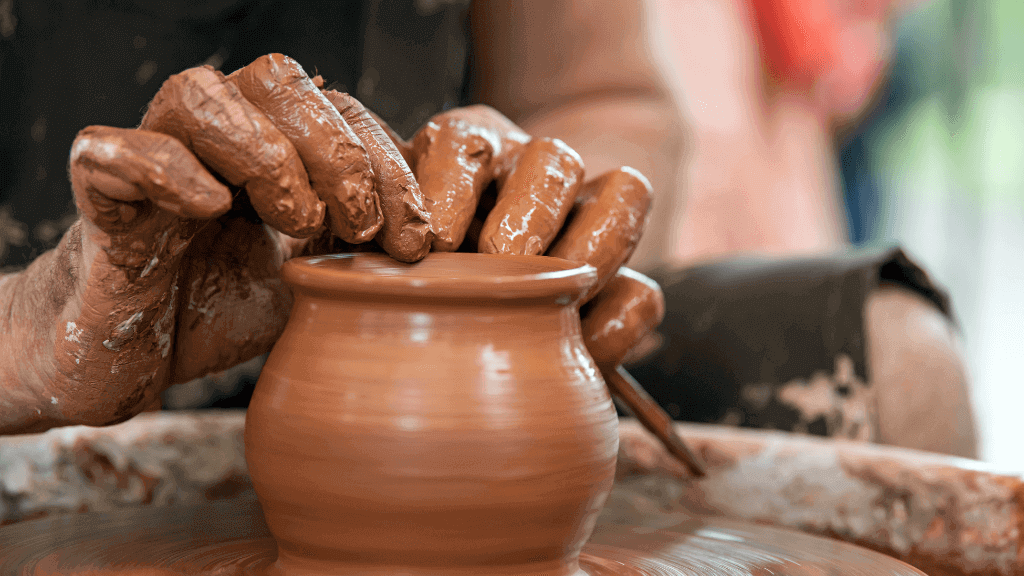
The best online pottery classes come from three places: subscription platforms like ClayShare and Skillshare for broad libraries of wheel and hand-building lessons, one-time-purchase courses on Udemy and Domestika for structured deep dives, and independent potters who teach through their own sites. Which one is right for you depends on the technique you want to learn and whether you have access to a wheel and a kiln.
I’ve taken online ceramics classes alongside years of studio work, and my honest take is this: online classes are excellent for hand building, glazing theory, and refining wheel technique you’ve already started. They’re weakest for absolute-beginner wheel throwing, where having someone physically correct your hands matters. Below I’ll break down what each format does well, what equipment you really need, and how to pick a class you’ll finish.
Types of Online Pottery and Ceramics Classes
Online pottery classes generally fall into four categories. Knowing which one you want narrows your search immediately.
Wheel Throwing
Wheel throwing classes teach you to center clay, open it, pull walls, and trim, usually through close-up, multi-angle video. The camera angles are often better than what you’d see leaning over an instructor’s shoulder in a studio.
The catch: you need your own wheel to practice. If you don’t have one yet, my guide to the best electric pottery wheel covers what to look for in a beginner machine. Centering is the skill that takes longest — expect several weeks of regular practice before it clicks, and don’t be discouraged when your first attempts wobble off center.
Hand Building
Hand building is the best entry point for online learning because the equipment barrier is so low: clay, a few simple tools, and a table. Classes cover pinching, coiling, and slab construction, and you can make functional pieces (mugs, plates, planters) with no wheel at all. ClayShare’s hand building classes are built around complete projects, which I find keeps beginners motivated better than technique drills.
If you’re wondering how far you can get without a wheel, the answer is further than most people think. I cover the techniques in can you make pottery without a wheel.
Sculpting
Ceramic sculpture classes focus on building hollow forms, scoring and slipping joints, and managing wall thickness so pieces survive firing. These translate well to video because the work is slow and visual. They’re a good second class once you’re comfortable handling clay.
Glazing and Firing
Glazing and firing classes cover glaze chemistry basics, application methods (dipping, pouring, brushing), and firing schedules. This is where online learning shines. Glaze theory is knowledge, not muscle memory, and a good video course can save you dozens of ruined pieces.
You’ll learn why earthenware fires to around cone 04 (1,945°F / 1,063°C) while mid-range stoneware matures at cone 6 (2,232°F / 1,222°C), and why putting the wrong glaze on the wrong clay body causes crazing or shivering. If you plan to brush glazes at home, decent brushes for glazing pottery make a visible difference in coat evenness.
Top Platforms for Online Ceramics Classes
Here’s how the main platforms compare based on my research and experience:
| Platform | Format | Best for | Typical cost |
|---|---|---|---|
| ClayShare | Subscription, pottery-only | Hand building, project-based learning | Monthly subscription |
| Skillshare | Subscription, all topics | Sampling short beginner classes | Monthly/annual subscription |
| Udemy | One-time purchase per course | Structured wheel-throwing courses you own forever | Per-course; frequent sales |
| Domestika | One-time purchase per course | Specific techniques and artistic styles | Per-course |
| Independent potters | Varies (courses, memberships) | Learning one teacher’s methods deeply | Varies widely |
ClayShare
ClayShare is pottery-only, which matters: the entire library is relevant, the instructors are working potters, and classes are organized into project paths. It’s the platform I’d point a hand builder to first.
Skillshare
Skillshare’s strength is breadth and low commitment. Pottery classes there tend to be short (some under half an hour), which makes it good for sampling techniques before committing to a longer course. The trade-off is inconsistent depth; vet the instructor before investing your time.
Udemy
Udemy courses are one-time purchases, so you keep lifetime access. Wheel-throwing fundamentals don’t change, which makes an owned course better value than a subscription if you learn slowly or revisit lessons often. Wait for a sale. Courses go on deep discount regularly.
Domestika
Domestika’s ceramics courses lean artistic and technique-specific: think surface decoration, sculptural forms, or a particular maker’s signature style. Production quality is consistently high. Best once you have basics down and want to develop a personal style.
What Online Classes Can and Can’t Teach You
I want to be straight about the limits, because nobody selling courses will be.
Online classes are genuinely good at theory, demonstration, and repetition. You can rewatch a centering demo twenty times; you can’t ask an in-person instructor to re-throw the same bowl twenty times.
What they can’t do is feel your clay. The most common beginner wheel problems (clay too wet, uneven pressure, hunched posture) are things a studio teacher spots in seconds and a video instructor never sees. Some online courses offer feedback through photo or video submissions, which partially closes that gap. Look for that feature if you’re a true beginner.
My recommendation: if there’s a community studio near you, take even a single in-person session to get the feel of centered clay in your hands, then use online classes for everything after. If in-person isn’t an option, start with hand building online, where video teaching has no real disadvantage.
Equipment and Supplies You’ll Need
Budget for supplies before you buy a class. The class is often the cheapest part.
- Clay: A 25 lb bag of stoneware or earthenware typically runs $15–$40. One bag lasts a beginner several weeks of hand building.
- Basic tool kit: Wire cutter, needle tool, wooden rib, metal rib, sponge, trimming tool. Starter kits commonly cost $15–$30. If you’re throwing, see my picks for pottery tools for throwing.
- Pottery wheel (wheel classes only): Entry-level electric wheels generally start around $400–$700; studio-quality machines run $1,000 and up.
- Workspace: A sturdy table, a bucket for slop water (never pour clay water down the drain, it clogs pipes), and a canvas or plaster surface for wedging.
- Ventilation and cleanup: Wipe surfaces with a wet sponge rather than sweeping. Dry clay dust contains silica, and inhaling it over time is the real long-term health risk in pottery.
Solving the Firing Problem
The biggest practical hurdle for online students is firing. Clay must be fired to become ceramic. Air-dried pieces remain fragile and are never food safe.
You have three realistic options:
- Local firing services. Many community studios, paint-your-own-pottery shops, and individual kiln owners fire outside work by the piece or by the kiln shelf. This is how most online students start, and it’s usually inexpensive.
- Buy a small kiln. A small electric kiln on a standard circuit can handle test tiles and small pieces; larger kilns need a 240V circuit. My guide to the best electric pottery kiln covers sizes and power requirements.
- Alternative firing. Pit firing and raku are options for non-functional work, and I walk through both in how to fire pottery without a kiln. Neither produces food-safe ware.
Sort out your firing plan before you fall in love with making pots. A shelf of bone-dry greenware with nowhere to go is the most common reason new potters stall.
How to Choose the Right Class
Four filters will eliminate most bad fits:
Skill level. Be honest about where you are. A “beginner” wheel class assumes you can wedge clay and keep it on the wheel head; a true never-touched-clay class starts with what clay even is. Read the lesson list, not just the title.
Technique match. Decide first whether you want wheel throwing, hand building, sculpture, or glazing, then search. Browsing “pottery classes” generically leads to subscription paralysis.
Feedback access. Classes with instructor Q&A, a student community, or photo critiques are worth paying more for. Pottery is full of problems (“why did my mug crack at the handle?”) that a two-minute answer solves and a video library doesn’t.
Instructor’s actual work. Look at the instructor’s pots. If you don’t like what they make, you won’t like what they teach you to make. Working potters who sell their work tend to teach more practical, less theoretical habits.
Duration matters less than people think. A four-week class you finish beats a six-month curriculum you abandon in week three.
My Recommendations
If I were starting today, here’s the short list:
- Total beginner, no wheel: ClayShare’s hand building classes. Project-based, low equipment cost, and you’ll have finished pieces fast.
- Beginner with wheel access: A purchased wheel-throwing fundamentals course on Udemy, so you can rewatch centering lessons for years without a subscription clock running.
- Intermediate looking for style: A Domestika ceramics course in a specific technique like surface decoration, sculptural vessels, or illustration on clay.
- Glazing confusion: Any dedicated glazing course on the platform you already use. It’s the highest-return topic to study formally because glaze mistakes destroy otherwise good pots.
Pick one class, finish it, and make at least ten of the same form before moving on. Repetition builds skill in clay. Course-hopping doesn’t.
FAQ
Are online ceramics classes worth it?
Yes, with one caveat. They’re excellent for hand building, glazing, sculpture, and improving existing wheel skills. For learning the wheel from zero, they work but progress is slower than in-person, because nobody can correct your hand position in real time. Choose a class with photo or video feedback if you’re starting cold.
Can I learn pottery online without a pottery wheel?
Absolutely. Hand building (pinch pots, coil construction, and slab work) requires only clay, basic tools, and a table, and it can produce fully functional mugs, bowls, and plates. Many potters work exclusively by hand their whole careers.
How much do online pottery classes cost?
Subscription platforms typically run the price of one or two in-person sessions per month for unlimited access. One-time-purchase courses range from budget-sale prices to a few hundred dollars for in-depth programs with feedback. The bigger cost is usually supplies: clay, tools, and eventually wheel access and firing.
Do I need a kiln to take an online pottery class?
Not to take the class, but you need a firing plan to finish your pieces. Most students use a local studio or kiln-firing service that charges by the piece. Air-dry clay is an option for purely decorative practice, but it’s never food safe and won’t behave like real ceramic clay.
How long does it take to learn pottery online?
Hand building basics: a few weeks of regular practice. Centering and throwing simple cylinders on the wheel: commonly two to three months of consistent practice. Reliable, repeatable forms you’d be proud to give away: closer to a year. The timeline depends far more on hours at the table than on which class you pick.