
What To Do With Broken Pottery?
By Linda · · 8 min read
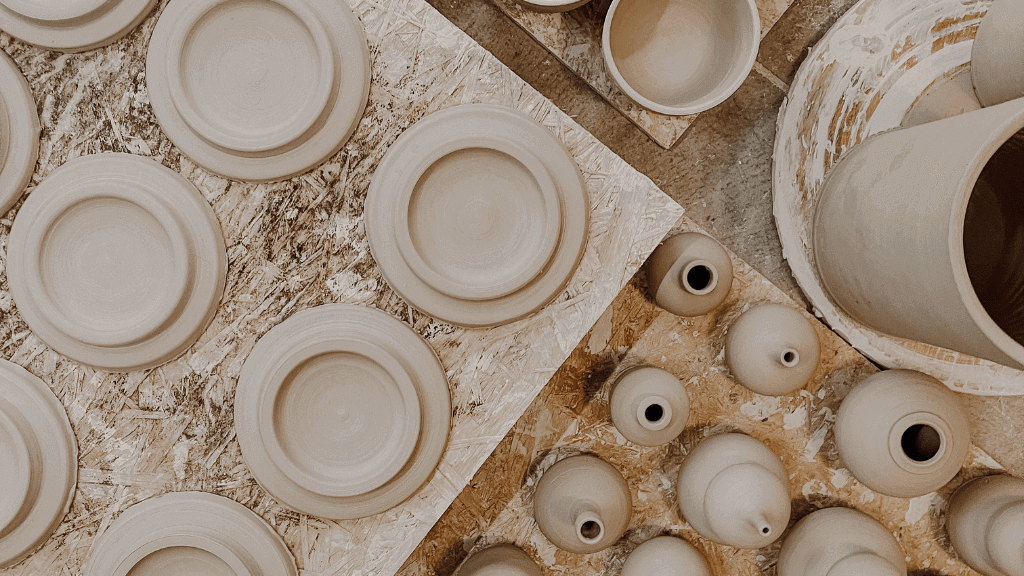
Broken pottery has three realistic destinations: repair it, repurpose it, or recycle it. A clean break with a few large pieces is usually worth repairing with two-part epoxy. A piece shattered into many small shards is better turned into mosaic art, garden drainage, or decorative edging. Anything left over can go to a construction-materials recycler instead of the landfill.
Below I’ll walk through how I decide which route to take, the repair process I use step by step, and 27 ways to repurpose the shards you can’t save.
Repair, Repurpose, or Recycle? Decide First
Before you reach for the glue, look honestly at the damage. Here’s the quick test I use:
| Condition of the piece | Best option | Why |
|---|---|---|
| 2–5 large pieces, clean edges | Repair with epoxy | Edges mate well; the repair can be nearly invisible |
| Sentimental piece, visible damage | Kintsugi-style repair | Turns the break into a feature instead of a flaw |
| Many small shards or crumbled edges | Repurpose (mosaics, garden) | Too many joints to glue cleanly |
| Cheap terracotta planter | Repurpose or recycle | Repair costs more in time than replacement |
| Dust and tiny fragments | Recycle or trash | Nothing usable left |
One thing repair can’t fix: you cannot re-fire a broken glazed piece back together in a kiln. Once clay has been fired to maturity (cone 6 stoneware matures around 2232°F, or 1222°C), the pieces won’t fuse again. Repairs on finished pottery are always cold repairs done with adhesives at room temperature.
How to Repair Broken Pottery Step by Step
For most household breaks, a clear two-part epoxy gives the strongest bond that lasts. Here’s the process I follow:
- Clean the broken edges. Wash pieces in warm soapy water, rinse, and let them dry completely. Give it a few hours at least, because adhesive won’t bond to dust or oils. If the piece is grimy, see my guide on how to clean pottery first.
- Dry-fit the pieces. Assemble the piece without glue so you know the order of reassembly. With multiple breaks, gluing in the wrong order can lock a piece out of its spot.
- Mix a small batch of two-part epoxy. A 5-minute epoxy works for simple breaks; a 30-minute epoxy gives you more working time on multi-piece repairs.
- Apply a thin layer to one edge only. A thick layer squeezes out and forces the joint apart. Less is more.
- Press, align, and hold. Push the pieces together firmly, check the alignment by running a fingernail across the seam, then tape the joint with masking tape or nest the piece in a tub of sand or rice to hold it steady.
- Wait for a full cure. Handling strength comes in an hour or so, but most epoxies need 24 hours to reach full strength. Don’t rush it.
- Clean up squeeze-out. Slice off excess epoxy with a razor blade once it’s rubbery but not fully hard, or scrape carefully after curing.
For a deeper walkthrough, including how to fill chips and missing fragments, see my full guide on how to fix broken pottery.
Which glue should you use?
Two-part epoxy is my default for ceramics because it fills tiny gaps and resists moisture. Super glue (cyanoacrylate) works on small, clean breaks but gets brittle over time. Expanding adhesives like polyurethane foam out of the joint and make a mess, and I cover that in can you use Gorilla Glue on pottery. For a comparison of all the adhesive options, read can broken pottery be glued.
Is repaired pottery food safe?
Generally, no. Most consumer epoxies and glues are not rated for food contact, and none survive the dishwasher or microwave reliably. Once a mug or bowl has been glued, retire it to decorative duty: a vase for dried flowers, a pencil cup, a catch-all dish. If you want a repaired piece back in the dinnerware rotation, it’s safer to replace it.
Kintsugi: Repairing Pottery So the Break Shows
Kintsugi is the Japanese technique of repairing broken ceramics with lacquer dusted with gold, silver, or platinum powder, so the crack becomes a gleaming seam rather than something to hide. Traditional kintsugi uses urushi lacquer and takes weeks of curing between stages.
The practical home version uses clear epoxy mixed with metallic mica powder, or a thin line of gold paint applied over a finished epoxy repair. A beginner kintsugi kit runs about $15 to $50, and a single mug repair takes an afternoon plus curing time. It’s my favorite option for sentimental pieces — the repair becomes part of the story.
27 Things You Can Do With Broken Pottery Shards
When a piece is too far gone to repair, the shards still have plenty of life left. Here are 27 ideas:
- Mosaic artwork: Use the shards to create colorful mosaics on tabletops, coasters, or wall art.
- Garden markers: Label your plants using a paint pen or sharpie on a shard.
- Fairy gardens: Use broken pots as tiered layers for miniature fairy gardens.
- Candle holders: Embed larger pieces in cement to create rustic candle holders.
- Jewelry: Make earrings, pendants, or brooches from glazed fragments.
- Stepping stones: Embed pieces in concrete stepping stones for a garden path.
- Decorative edging: Line flower beds with upright pottery shards.
- Wall art: Design mosaic wall pieces for outdoor or indoor spaces.
- Photo frames: Decorate plain frames with tiny pottery pieces.
- Mirror accents: Create mosaic patterns around mirrors.
- Keychains: Attach a small drilled shard to a chain.
- Pot drainage: Place curved fragments over drainage holes in plant pots.
- Garden path filler: Mix shards with gravel for a glinting path.
- Wind chimes: Hang pieces on fishing line for a garden wind chime.
- Fridge magnets: Glue a magnet to the back of a decorated shard.
- Pot stands: Lay out flat shards as a base under other pots.
- Desk organizers: Embed pieces in clay or cement bases to separate pens and tools.
- Decorative bowls: Build a mosaic bowl over a mold.
- Paperweights: Embed shards in clear resin for a desk paperweight.
- Garden totems: Stack and glue several pieces into a garden totem.
- Ornaments: Paint and hang shards as holiday ornaments.
- Suncatchers: Hang translucent or brightly glazed pieces in a window.
- Bookends: Set large pieces in cement to make bookends.
- Garden sculptures: Assemble shards into abstract sculptures.
- Pincushion bases: Use a sturdy curved shard as the base of a pincushion.
- Centerpieces: Arrange large fragments with candles or succulents as a table centerpiece.
- Outdoor plant shelves: Use big curved pieces as mini shelves or ledges for small plants.
A quick safety note: broken pottery edges are genuinely sharp. Wear gloves and eye protection when breaking pieces down further, and knock down cut edges with a sanding block or tile file before kids handle anything.
Can Broken Pottery Be Recycled?
Yes, but not in your curbside bin. Fired ceramic doesn’t melt down like glass, so standard glass recycling can’t take it. Worse, a few ceramic shards can ruin a whole batch of recycled glass.
Instead, look for construction and demolition recyclers or gravel yards, which crush ceramics for use as aggregate and fill. Some municipal transfer stations accept ceramics in the rubble or hardcore pile. Creative reuse centers in many cities also accept broken pottery for community mosaic and craft projects. A quick search for “construction recycling near me” or “creative reuse center” usually turns up an option.
Should You Just Throw Broken Pottery in the Trash?
Small amounts of broken household pottery can legally go in the trash in most places, but it’s a last resort. Fired ceramic is essentially man-made stone. It won’t decompose in a landfill on any human timescale.
Two practical cautions. First, wrap shards in newspaper or put them in a labeled box so they don’t slice through the bag or cut a sanitation worker. Second, very old or imported glazed ware can contain lead in the glaze, which is one more reason crushing it for garden use or sending it to construction recycling beats burying it in household waste.
And if your own work keeps breaking before it ever reaches the shelf, the problem is usually in the making or firing, not bad luck. My post on why pottery cracks covers the common causes.
FAQ
How do you repair broken pottery at home?
Clean and dry the broken edges, dry-fit the pieces, then bond them with two-part epoxy applied thinly to one edge. Tape or sand-bed the piece while it cures, and give the epoxy a full 24 hours before handling it normally.
What is the best glue for broken ceramics?
Two-part clear epoxy is the best all-around choice. It’s strong, fills small gaps, and holds up to moisture. Super glue works for small clean breaks on display pieces. Skip expanding polyurethane glues, which foam out of the seam. I compare techniques in detail in how to glue pottery back together.
Can you fire broken pottery back together in a kiln?
No. Once clay is fired to maturity, the pieces will not fuse in a re-fire, and glaze won’t reliably bridge a structural break. All repairs to finished pottery are cold repairs made with adhesives.
What can I do with broken pottery shards?
Use large curved shards over drainage holes in planters, turn glazed fragments into mosaics, stepping stones, or jewelry, and use plain terracotta bits as garden edging or path filler. Anything left over can go to a construction-materials recycler.
Is glued pottery safe to eat or drink from?
Treat repaired pottery as decorative. Most household adhesives aren’t food-safe or dishwasher-safe, so a glued mug or bowl shouldn’t go back into food service.
Can broken pottery go in the recycling bin?
No. Ceramics contaminate glass recycling. Take broken pottery to a construction and demolition recycler, a gravel yard, or a creative reuse center instead.